The Nobel Prize lectures in economics
The Nobel Prize lectures in economics
12 Dec 2024 Leave a comment
in applied price theory, comparative institutional analysis, constitutional political economy, development economics, economics of crime, economics of regulation, growth disasters, growth miracles, history of economic thought, law and economics, property rights, Public Choice
Indigenous government
11 Dec 2024 Leave a comment
in politics - New Zealand, Public Choice Tags: constitutional law, racial discrimination
Grant Duncan writes: Te Pāti Māori have a policy to “establish a Māori Parliament”. According to the NZ Election Study 2020, however, the proposal for a Māori upper house of parliament is only supported by a minority of Māori, let alone others.* This made me look up the data from the 2020 NZES. Net support for a […]
Indigenous government
More on Business Dynamism
11 Dec 2024 Leave a comment
in applied price theory, economic history, economics of bureaucracy, economics of regulation, entrepreneurship, financial economics, income redistribution, industrial organisation, labour economics, labour supply, managerial economics, organisational economics, personnel economics, Public Choice, rentseeking, survivor principle, theory of the firm Tags: creative destruction, employment law

Over at the Geek Way, Andrew McAfee has created a startling visualization related to entrepreneurship in the US and EU. The Draghi Report on EU competitiveness is generating a small buzz among economists. One startling claim is thatthere is no EU company with a market capitalisation over EUR 100 billion that has been set up…
More on Business Dynamism
Nobody Wants To Build Wind Farms In The North Sea
10 Dec 2024 1 Comment
in economics of climate change, energy economics, entrepreneurship, environmental economics, environmentalism, global warming, industrial organisation, resource economics, survivor principle Tags: wind power

By Paul Homewood h/t Hugh Sharman If wind power was so cheap, you would think they would be queuing up to build them: The Danish Energy Agency has not received a single bid for any of the three offshore wind farms in the North Sea, the agency said in a […]
Nobody Wants To Build Wind Farms In The North Sea
Mexican Cartels Lure Chemistry Students to Make Fentanyl
10 Dec 2024 Leave a comment
in development economics, economics of crime, growth disasters, human capital, industrial organisation, labour economics, labour supply, law and economics, occupational choice Tags: Mexico
Criminals turn college campuses into recruitment hubs, recruiting chemistry students in Mexico with big paydays.By Natalie Kitroeff and Paulina Villegas of The NY Times. Excerpts:”In their quest to build fentanyl empires, Mexican criminal groups are turning to an unusual talent pool: not hit men or corrupt police officers, but chemistry students studying at Mexican universities.People…
Mexican Cartels Lure Chemistry Students to Make Fentanyl
JOHN RAINE: Why Engineering Cannot be Decolonised
10 Dec 2024 1 Comment
in economics of education, liberalism, Marxist economics, politics - New Zealand Tags: Age of Enlightenment, free speech, political correctness, regressive left
Concordia University is Decolonising Early 2024, Lawrence Krauss reported [1] that Concordia University in Canada is in the process of decolonising and indigenising its curricula, including Engineering. He noted that this will put Concordia on the Map, but not in a positive way. The new university plan at Concordia is drawing on “principles embodied in…
JOHN RAINE: Why Engineering Cannot be Decolonised
Mark David Chapman and the Murder of John Lennon
09 Dec 2024 Leave a comment
in economic history, economics of crime, law and economics, Music Tags: crime and punishment, criminal deterrence, economics of mental health, law and order

The murder of John Lennon on December 8, 1980, stands as one of the most shocking and tragic events in music and cultural history. Mark David Chapman, the man responsible for this heinous act, became infamous as the individual who ended the life of one of the most beloved and influential figures in the world […]
Mark David Chapman and the Murder of John Lennon
The Timeline of Crimes Committed by Bashar al-Assad
09 Dec 2024 Leave a comment
in defence economics, development economics, economic history, economics of crime, growth disasters, International law, law and economics, laws of war, war and peace Tags: Middle-East politics, Syria, war against terror

Bashar al-Assad has been the President of Syria since 2000, inheriting power from his father, Hafez al-Assad. His presidency has been marked by widespread human rights abuses, war crimes, and violations of international law, particularly during the Syrian Civil War that began in 2011. As the leader of the Syrian government, Assad’s policies and military […]
The Timeline of Crimes Committed by Bashar al-Assad
Somerset v Stewart, 1772: an End to Slavery in Britain?
09 Dec 2024 Leave a comment
in economic history, economics of crime, labour economics, labour supply, law and economics, property rights Tags: constitutional law, economics of slavery

The campaigning activities of abolitionist MPs such as William Wilberforce and Thomas Fowell Buxton are well-known, but one former MP, who had become a member of the House of Lords, was involved in this question in a rather different way. Joe Baker – Public Engagement Assistant for the History of Parliament – looks at the […]
Somerset v Stewart, 1772: an End to Slavery in Britain?
Free Speech Union Is Taking Hutt City Council And It’s CEO To The High Court
09 Dec 2024 Leave a comment
in economic history, economics of bureaucracy, economics of education, law and economics, liberalism, Marxist economics, politics - New Zealand, property rights, Public Choice Tags: constitutional law, free speech, political correctness, racial discrimination, regressive left
This email from Stephen Franks explains why!!!!! Note: I have included all of the email, including the request for any financial support readers may be inclined to give to aid the FSU in this obviously expensive court case. Hi. Some fights take a little longer than others. While the FSU team has been confronting the NZ Police, professional bodies, Immigration […]
Free Speech Union Is Taking Hutt City Council And It’s CEO To The High Court
OLIVIA PIERSON: New Zealand – Unity or Apartheid?
09 Dec 2024 Leave a comment
in economic history, economics of crime, law and economics, politics - New Zealand, property rights Tags: constitutional law
The steady stream of revisionist gibberish coming out of Māori Party rhetoric these days is eye-watering. They never miss an opportunity to bamboozle ordinary folks with silly word salads, half of which are spoken in a tongue only 4% of New Zealanders can even understand. Take this for example: In a recent interview with Jack…
OLIVIA PIERSON: New Zealand – Unity or Apartheid?
Reality Forces Reason into Power Choices
09 Dec 2024 2 Comments
in energy economics, entrepreneurship, industrial organisation, politics - USA Tags: nuclear energy, solar power, wind power
Amazon executives realized their very profitable data centers would fail if they kept posturing with renewable energy.
Reality Forces Reason into Power Choices
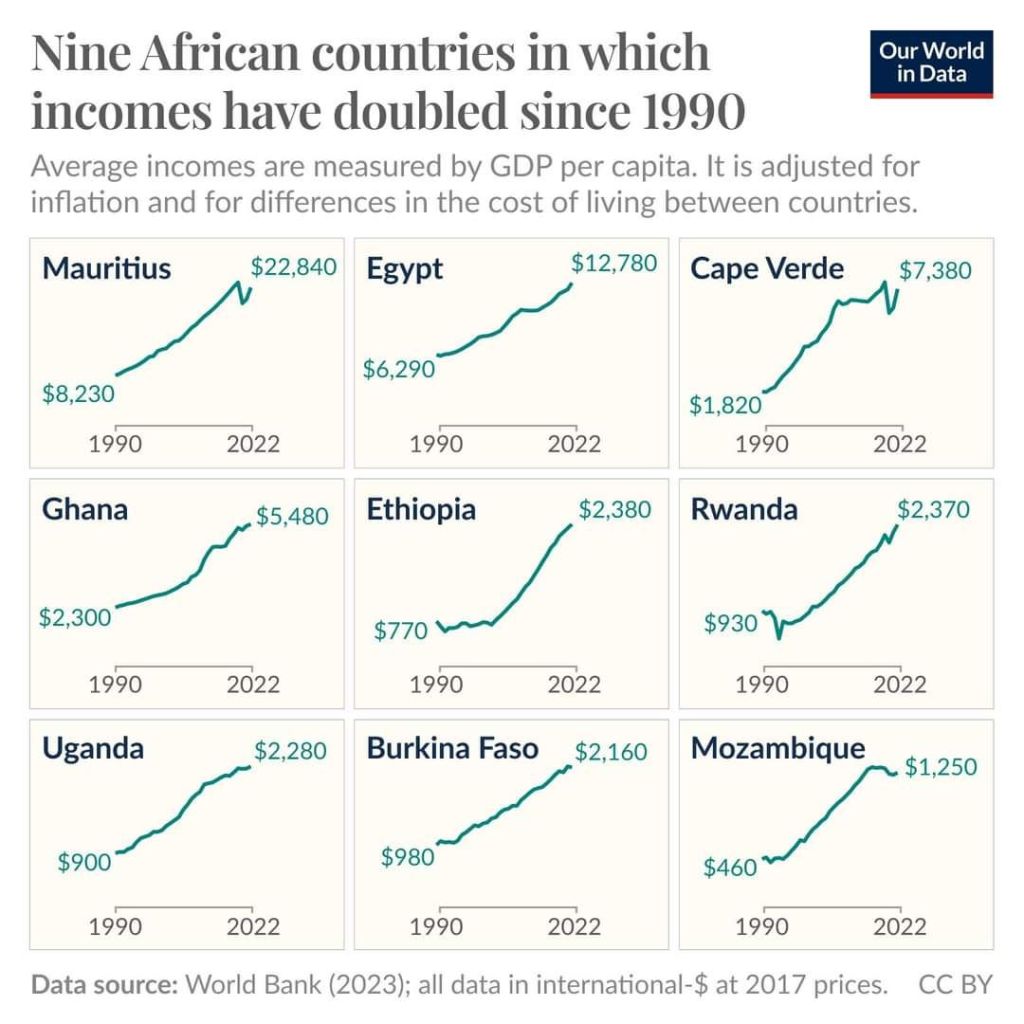
Africa
09 Dec 2024 Leave a comment
in development economics, economic history, growth disasters, growth miracles Tags: Africa
Ending Assad’s rule is good, but the replacement may be worse
08 Dec 2024 1 Comment
in defence economics, economics of crime, law and economics, laws of war, war and peace Tags: Middle-East politics, Syria, war against terror
It looks like the Assad regime which has ruled Syria since 1971 may be about to crumble. The Civil War started 13 years ago but was thought to be at a stalemate, but suddenly two major cities have fallen, and opposition forces are approach Damascus. The fact Iran and Russia have started to evacuate their […]
Ending Assad’s rule is good, but the replacement may be worse
o1 explains why you should not dismiss Fischer Black on money and prices
08 Dec 2024 Leave a comment
in applied price theory, business cycles, economic growth, financial economics, fiscal policy, history of economic thought, macroeconomics, monetarism, monetary economics Tags: monetary policy
The prediction of inflation dynamics—how prices change over time—has increasingly confounded modern macroeconomists. Throughout much of the twentieth century, there seemed to be clear relationships linking the money supply, economic slack, and price levels. Monetarism, the school of thought that posits a stable connection between the growth rate of a money aggregate and the subsequent […]
o1 explains why you should not dismiss Fischer Black on money and prices
 Utopia, you are standing in it!
Recent Comments