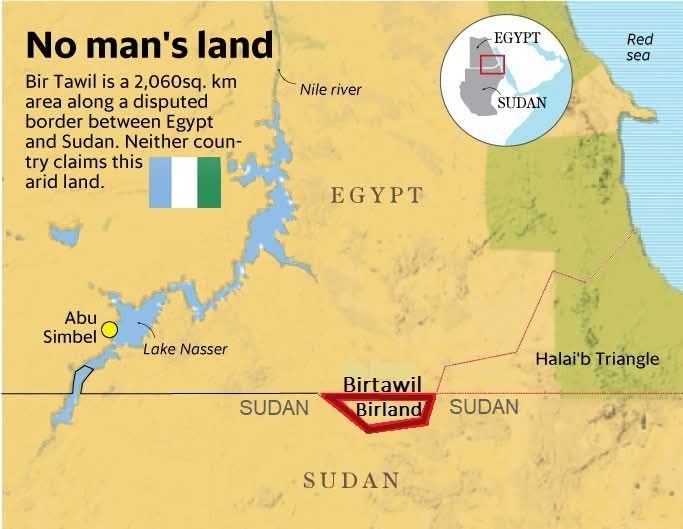
I like maps
23 Oct 2026 Leave a comment
in economic history, international economics, International law Tags: maps, economics of borders
Are Banking Systems Inherently Unstable? | @GeorgeSelgin | Hayek Program…
22 Oct 2026 Leave a comment
in applied price theory, Austrian economics, business cycles, economic history, economics of regulation, great depression, great recession, history of economic thought, law and economics, macroeconomics, monetary economics, property rights, Public Choice, rentseeking Tags: monetary policy
SIEPR Economic Summit 2026 | California Wealth Tax
22 Oct 2026 Leave a comment
in applied price theory, economic growth, economic history, entrepreneurship, fiscal policy, history of economic thought, human capital, income redistribution, labour economics, labour supply, macroeconomics, Public Choice, public economics Tags: California, taxation and entrepreneurship, taxation and investment
The Law Society has a problem
22 Oct 2026 Leave a comment
in law and economics, liberalism, Marxist economics, politics - New Zealand Tags: free speech, political correctness, regressive left
I blogged in March about an outrageous decision by a Law Society Standards Committee decision which fined Stephen Franks and Franks Ogilvy for the sin of “being lawyers”. I wrote: The Legal Complaints Review Officer overturned the decision, noting: The very purpose of a lawyer or firm sending a letter on behalf of a client…
The Law Society has a problem
Guest Post: Woke 1 was crazy. Are you ready for Woke 2?
22 Oct 2026 Leave a comment
in discrimination, economics of crime, gender, law and economics, liberalism, Marxist economics, politics - New Zealand, politics - USA Tags: free speech, political correctness, regressive left
A guest post by Alex Penk: “Woke 1” was crazy. Don’t take my word for it; that’s what Alexandria Ocasio-Cortez said. The globally influential US politician made the comment when asked to explain some of her past positions, like defunding the police, and the internet went, well, crazy. But the most interesting thing is what the…
Guest Post: Woke 1 was crazy. Are you ready for Woke 2?
Measure to reform the California recall process (Yes on 5)
22 Oct 2026 Leave a comment
in constitutional political economy, politics - USA, Public Choice Tags: California, constitutional law

In this November’s election, Californians are presented with a proposed state constitutional amendment to reform the process of recalling and replacing elected officeholders. It was placed on the ballot by the state legislature as Proposition 5. I am in favor, and I urge California voters to support it. Below are some excerpts from the voter […]
Measure to reform the California recall process (Yes on 5)
Defining the Unemployment Rate
22 Oct 2026 Leave a comment
in business cycles, history of economic thought, labour economics, labour supply, macroeconomics, unemployment
An updated version of our Marginal Revolution University (MRU) video on defining the unemployment rate. Free to use for anyone but goes best, of course, with Modern Principles of Economics, the best principles of economics textbook. The post Defining the Unemployment Rate appeared first on Marginal REVOLUTION.
Defining the Unemployment Rate
Tinned Snoek: Britain’s Most Disliked Ration of the Second World War
22 Oct 2026 Leave a comment
in defence economics, economic history, war and peace Tags: rationing, World War II
Update on Canada’s Two Secession Movements
21 Oct 2026 1 Comment
in constitutional political economy, law and economics, Public Choice Tags: Canada, economics of succession
Alberta secessionists lost a referendum by a large margin. Quebec secessionists are in better shape, but still facing an uphill struggle.
Update on Canada’s Two Secession Movements
Vladimir Putin and western hypocrisy
21 Oct 2026 Leave a comment
in defence economics, development economics, economic history, growth disasters, International law, laws of war, war and peace Tags: Ukraine, Iraq, Russia, Afghanistan, economics of colonialism
Reading the final chapters of Orlando Figes’ excellent and highly readable history of Russia, about the rise of Vladimir Putin and the lead-up to the war with Ukraine, I found myself growing more sympathetic to Putin’s accusations of western hypocrisy, and began to make a list of examples. Putin is a dangerous monster, but sometimes […]
Vladimir Putin and western hypocrisy
Ridley: The forecaster’s paradox
21 Oct 2026 1 Comment
in economic history, economics of media and culture, entrepreneurship, financial economics, industrial organisation
Why does nobody see new technology coming?By Matt Ridley. He is a British writer who has a Ph. D. in zoology.My last post was an AI generated discussion between Jules Verne and Mary Shelley on the future of technology and how it would affect people.Ridley explains how hard it is to predict the future. Many technologies…
Ridley: The forecaster’s paradox
Dr. Douglas M. Kelley: Psychiatrist of the Nazi Mind at Nuremberg
21 Oct 2026 Leave a comment
in defence economics, health economics, laws of war, war and peace Tags: Nazi Germany, The Holocaust, World War II
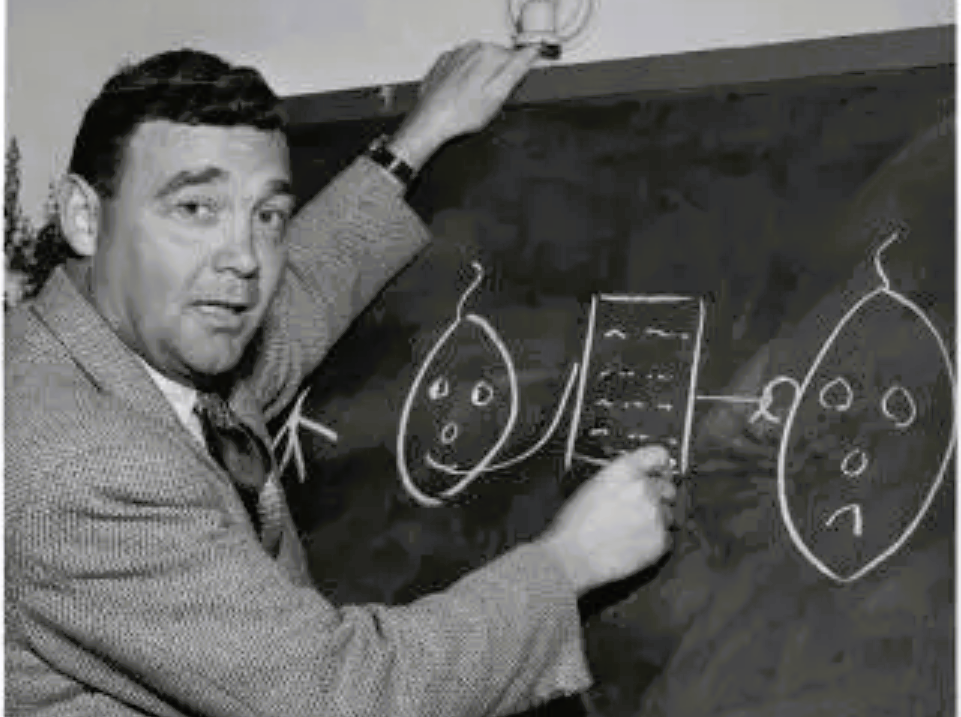
Dr. Douglas McGlashan Kelley was a U.S. Army psychiatrist who became renowned for his psychological evaluations of high-ranking Nazi officials during the Nuremberg Trials. His work not only contributed to the fields of psychiatry and forensic psychology but also provided a rare glimpse into the minds of those responsible for the atrocities of the Holocaust […]
Dr. Douglas M. Kelley: Psychiatrist of the Nazi Mind at Nuremberg


Recent Comments