King Charles I of England, Scotland and Ireland was the second son of King James VI of Scotland and Princess Anne of Denmark, the second daughter of King Frederik II of Denmark and Princess Sophie of Mecklenburg-Güstrow. Prince Charles was born in Dunfermline Palace, Fife, on November 19, 1600. At a Protestant ceremony in the […]
January 30, 1649: King Charles I of England, Scotland and Ireland is executed in Whitehall, London.
January 30, 1649: King Charles I of England, Scotland and Ireland is executed in Whitehall, London.
31 Jan 2024 Leave a comment
in economic history, economics of crime, law and economics Tags: British history
Creative destruction
31 Jan 2024 Leave a comment
in entrepreneurship, industrial organisation, survivor principle Tags: creative destruction

Prosperity Essentials: Why Coal, Oil & Gas Keep Delivering Heaven on Earth
31 Jan 2024 Leave a comment
in development economics, economic history, economics of climate change, energy economics, environmental economics, global warming, growth miracles Tags: life expectancies, The Great Enrichment

Coal, then oil and gas, have driven the mechanization and industrialisation responsible for lifting billions out of agrarian poverty, and all in the space of little more than a century. As a band of miserable misanthropes would have it, oil, coal and gas are an unadulterated evil to be driven back to the earthly depths […]
Prosperity Essentials: Why Coal, Oil & Gas Keep Delivering Heaven on Earth
Māori official in New Zealand’s Coast Guard insists that prayer to a god is the key to reducing drowning
30 Jan 2024 Leave a comment
in economics of religion, transport economics Tags: Age of Enlightenment, free speech, Freedom of religion, political correctness, regressive left

This very short article appeared in Waatea News, which I gather is a purveyor of news related to the Māori of New Zealand. (It also runs, I believe, the country’s only Māori radio station.) I’m putting it up for one reason, and then we’ll get a break from the Kiwis and the iwi for a […]
Māori official in New Zealand’s Coast Guard insists that prayer to a god is the key to reducing drowning
Some Thoughts On The Dissolution And Calling Of Parliament Bill
30 Jan 2024 Leave a comment
in constitutional political economy, law and economics Tags: British constitutional law
The House of Lords is now considering the Dissolution and Calling of Parliament Bill that was passed by the Commons back in September. It would repeal the Fixed-term Parliaments Act 2011 and restore the pre-2011 status quo whereby the Sovereign dissolved Parliament at the request of the Prime Minister. Regular readers of my blog will […]
Some Thoughts On The Dissolution And Calling Of Parliament Bill
Royal Incapacity and Medical Procedures
30 Jan 2024 1 Comment
in economic history, law and economics Tags: British politics, constitutional law
The King returned from the hospital today after undergoing treatment for an enlarged prostate on Friday. According to the BBC, there was no delegation of royal authority during his stay in the hospital. This approach is in marked contrast to that of the United States where Presidents have temporarily transferred their powers to the Vice-President […]
Royal Incapacity and Medical Procedures
A textual analysis of Enlightenment ideals
30 Jan 2024 Leave a comment
in economics of education, liberalism Tags: Age of Enlightenment, free speech, political correctness, regressive left
Using textual analysis of 173,031 works printed in England between 1500 and 1900, we test whether British culture evolved to manifest a heightened belief in progress associated with science and industry. Our analysis yields three main findings. First, there was a separation in the language of science and religion beginning in the 17th century. Second, […]
A textual analysis of Enlightenment ideals
Treaty principles?
30 Jan 2024 Leave a comment
in law and economics, politics - New Zealand, property rights Tags: constitutional law
When ACT’s leader said they wanted legislation to state what the Treaty Principles mean, my first thought was this will controversial and divisive. Clearly it is. The first reference to the Principles of the Treaty were contained in the 1975 Act establishing the Treaty of Waitangi Tribunal. But the Principles were not defined by Parliament, then or […]
Treaty principles?
PLAYING WITH FIRE: THE 1968 ELECTION AND THE TRANSFORMATION OF AMERICAN POLITICS by Lawrence O’Donnell
29 Jan 2024 Leave a comment
in defence economics, economic history, politics - USA
(The 1968 Democratic Convention demonstration on the streets of Chicago) The publication of MSNBC host Lawrence O’Donnell’s new book, PLAYING WITH FIRE: THE 1968 ELECTION AND THE TRANSFORMATION OF AMERICAN POLITICS comes at a propitious moment in American political history. According to O’Donnell 1968 is the watershed year that set our current politics in motion […]
PLAYING WITH FIRE: THE 1968 ELECTION AND THE TRANSFORMATION OF AMERICAN POLITICS by Lawrence O’Donnell
Seymour raises tax and Treaty issues in his “state of the nation” speech (which has not been posted on the Beehive site)
29 Jan 2024 Leave a comment
in comparative institutional analysis, discrimination, economic history, law and economics, politics - New Zealand, property rights, Public Choice Tags: constitutional law
Buzz from the Beehive Just one statement has been posted on the government’s official website since Attorney-General Judith Collins announced the appointment of a new High Court Judge late last week. It deals with education and the government’s aims to get better results from school students.
Seymour raises tax and Treaty issues in his “state of the nation” speech (which has not been posted on the Beehive site)
On new and old civil disobedience
29 Jan 2024 Leave a comment
in economic history, law and economics Tags: civil disobedience

According to my go-to source, the Oxford English Dictionary, “civil disobedience is defined this way: Rebellion of the populace against a governing power; (in later use) spec. refusal to obey the laws, commands, etc., of a government or authority as part of an organized, non-violent political protest or campaign. The three key aspects here involve deliberately breaking…
On new and old civil disobedience
BRIAN EASTON: There is a lot to be learned from the award- winning film Oppenheimer
29 Jan 2024 Leave a comment
in defence economics, movies, war and peace Tags: Atomic bomb
And even more from the book it is based upon, “American Prometheus: The Triumph and Tragedy of J. Robert Oppenheimer” by Kai Bird and Martin J. Sherwin. Brian Easton writes – Christopher Nolan’s award winning film Oppenheimer is based on the 2005 biography American Prometheus. I really liked the title. Prometheus was the Greek god who gave mankind fire, […]
BRIAN EASTON: There is a lot to be learned from the award- winning film Oppenheimer
29 Jan 2024 Leave a comment
in economics of education Tags: economics of languages
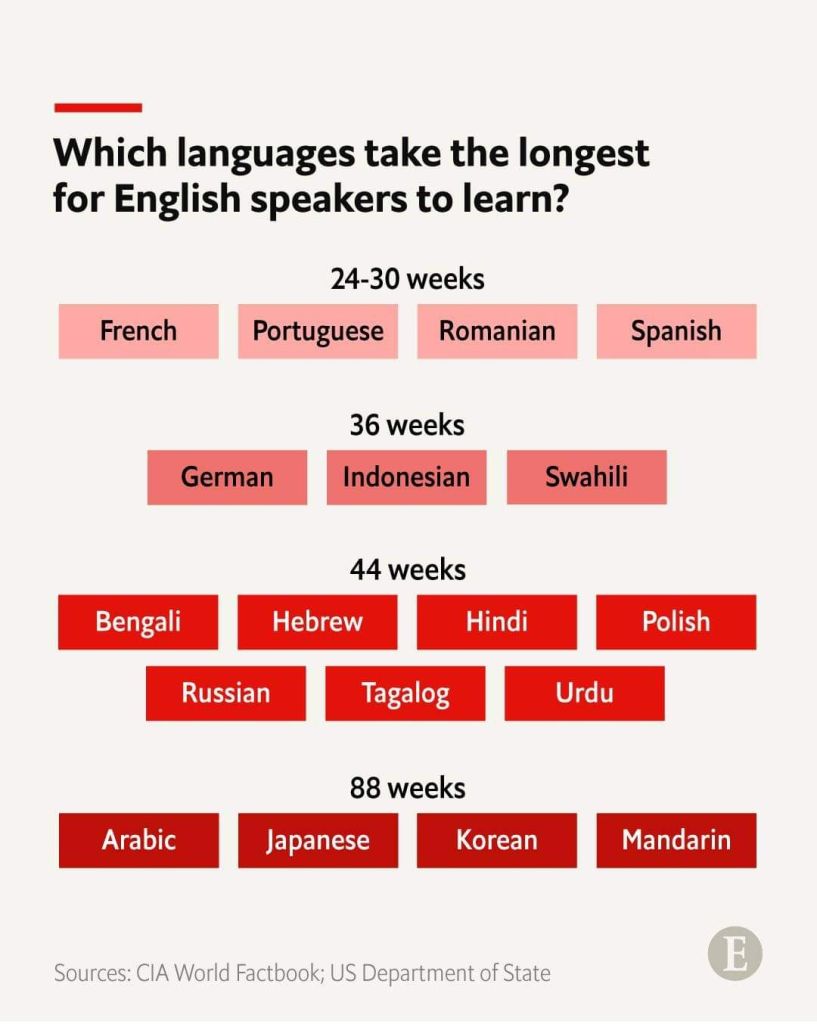
📸 Look at this post on Facebook
https://www.facebook.com/share/XEKF116Tyad2GwJ6/?mibextid=RXn8sy
Renewables Targets Scrapped: Britain Joins French Nuclear Power Generation Renaissance
28 Jan 2024 1 Comment
in energy economics, environmental economics, global warming Tags: atomic energy, celebrity technologies, wind power

The French are just the latest European power to ditch ludicrous wind and solar generation targets in favour of nuclear power. And Britain is lining up to do much the same. Both have adopted net zero carbon oxide gas emissions targets, and the only way of meeting them is safe, reliable and affordable nuclear power. […]
Renewables Targets Scrapped: Britain Joins French Nuclear Power Generation Renaissance


Recent Comments