
Neoclassical economics is now bifurcated between Marshallian partial-equilibrium and Walrasian general-equilibrium analyses. With the apparent inability of neoclassical theory to explain the coordination failure of the Great Depression, J. M. Keynes proposed an alternative paradigm to explain the involuntary unemployment of the 1930s. But within two decades, Keynes’s contribution was subsumed under what became known as the neoclassical synthesis of the Keynesian and Walrasian theories (about which I have written frequently, e.g., here and here). Lacking microfoundations that could be reconciled with the assumptions of Walrasian general-equilibrium theory, the neoclassical synthesis collapsed, owing to the supposedly inadequate microfoundations of Keynesian theory.
But Walrasian general-equilibrium theory provides no plausible, much less axiomatic, account of how general equilibrium is, or could be, achieved. Even the imaginary tatonnement process lacks an algorithm that guarantees that a general-equilibrium solution, if it exists, would be found. Whatever plausibility is attributed to the assumption that…
View original post 1,867 more words


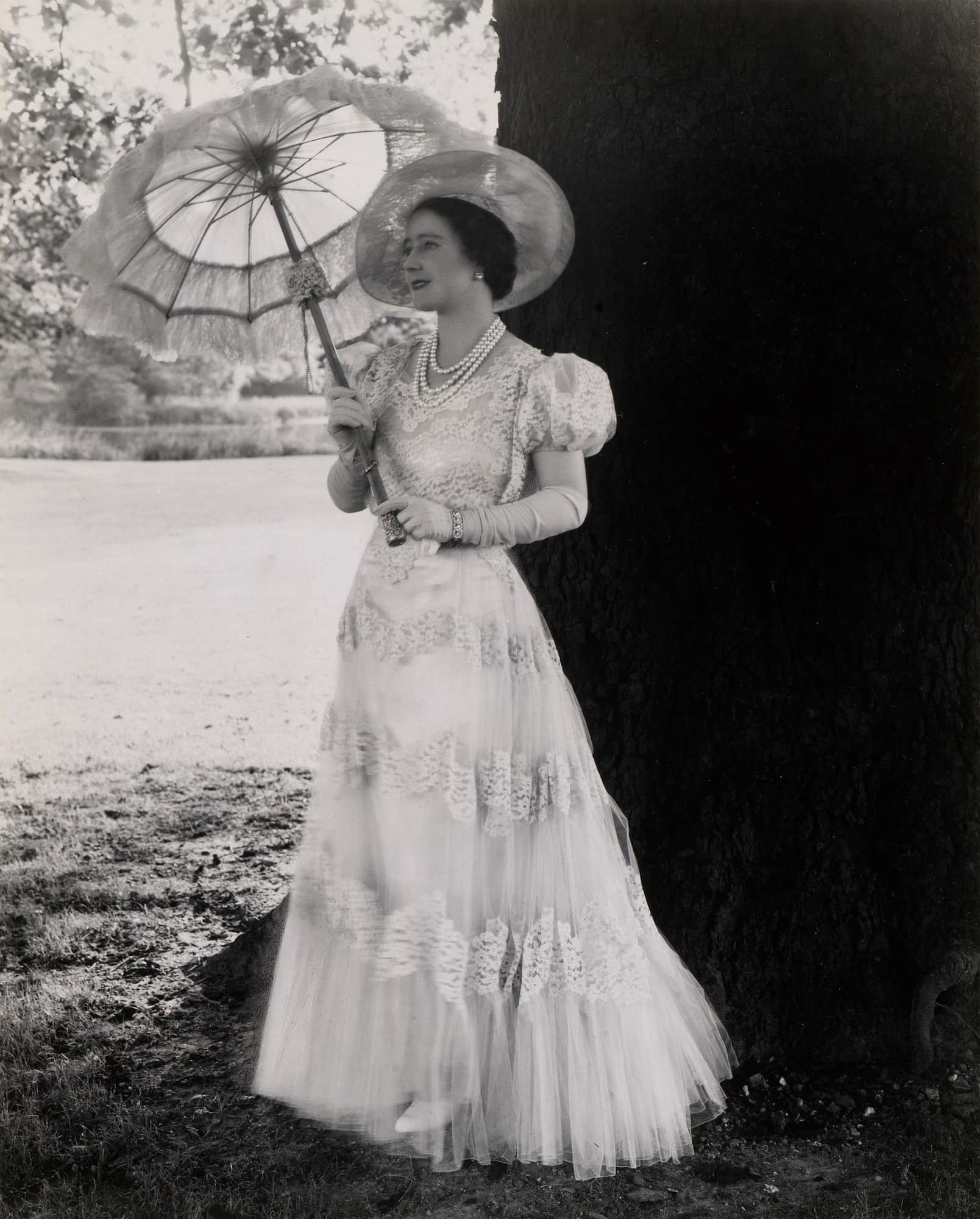 Elizabeth spent much of her…


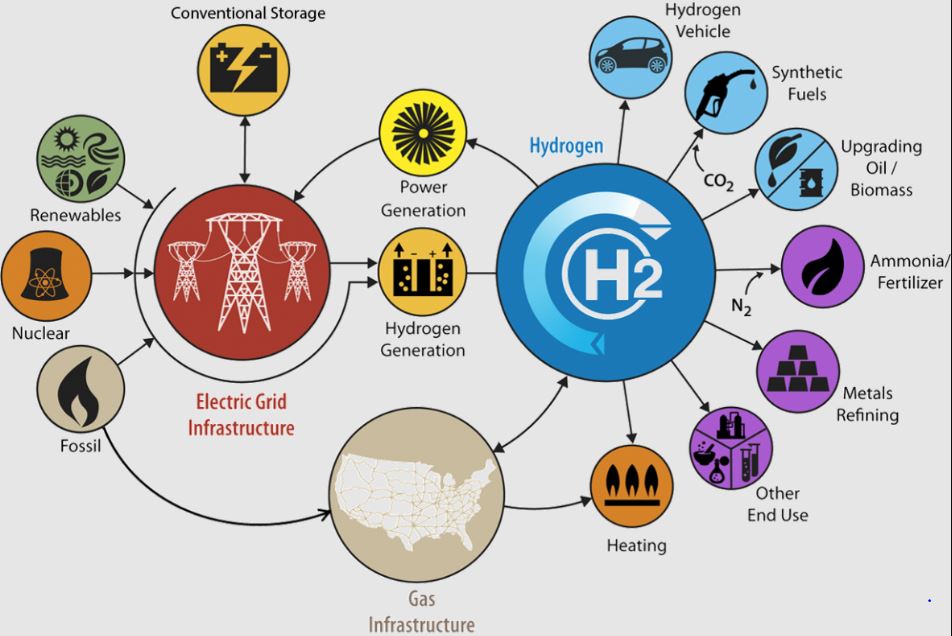 Hydrogen future? [image credit: cleantechnica.com] The UK’s next problem is that there’s no domestic hydrogen supply, and it will be costly to create one, then (in theory) produce vast amounts of hydrogen from renewables and/or nuclear power. Unless hydrogen for homes is going to be cheaper than electricity then
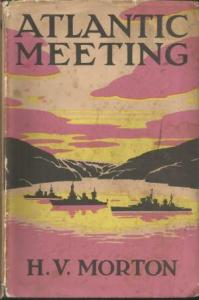 Upon Sunday, August 3rd, 1941, Mr Winston Churchill and the Chiefs of Staff travelled by train to the North, where on the following day, and in conditions of the greatest secrecy, they embarked in a battleship. Five days later, upon Saturday, August 9th, the battleship dropped anchor in a lonely bay off the shores of Newfoundland. American warships were waiting there with President Roosevelt, who had come so secretly to the rendezvous that the entire Press of America was speculating on his disappearance. In that desolate bay, which reminded everyone of the Hebrides, with low hills rising mistily in the air, the warships lay at anchor while the two statesmen conducted their conference, the published outcome of which was the Atlantic Charter. (p.9)
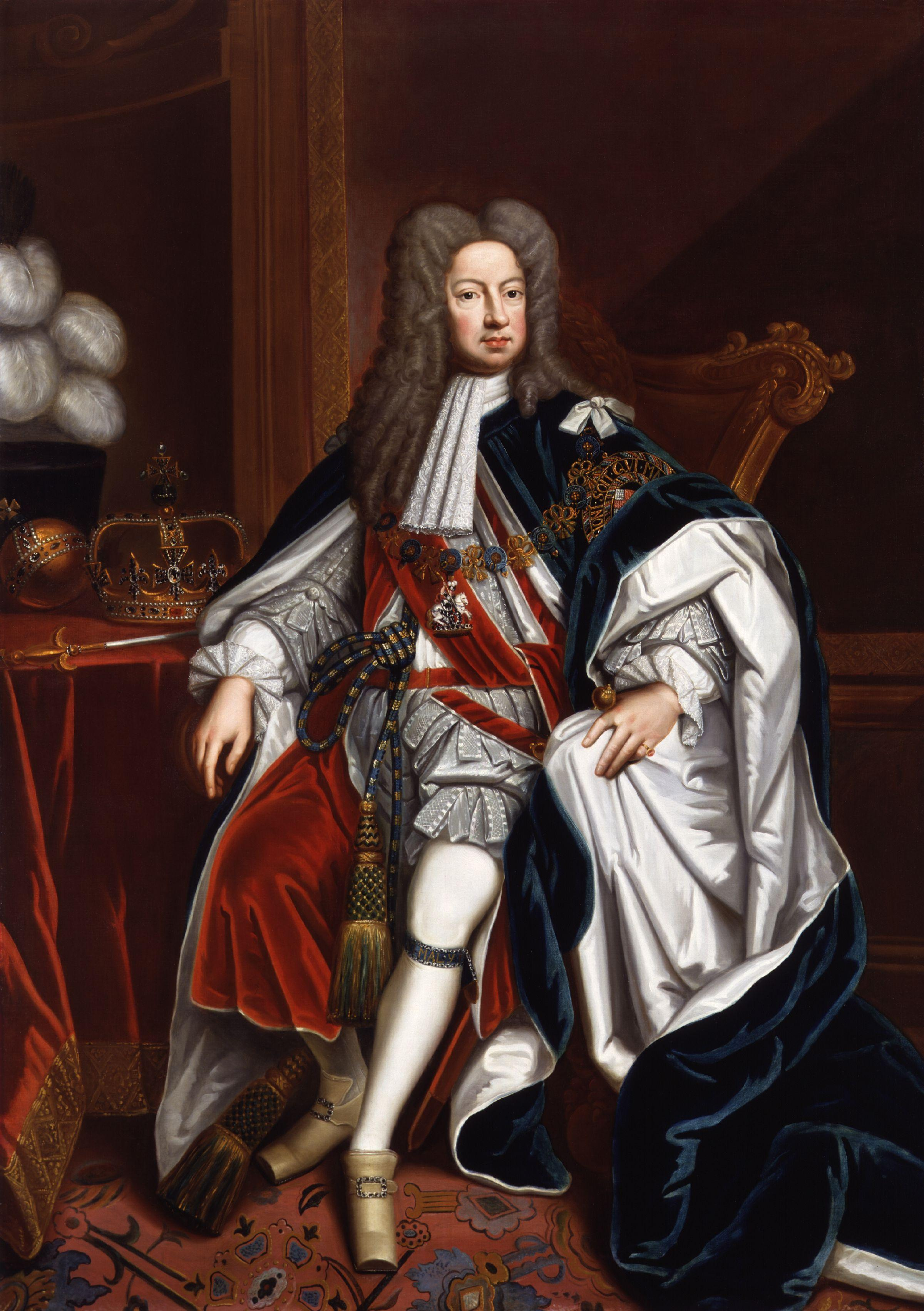 The succession was so designed because Sophia was the closest…

Recent Comments