Celebrating humanity's flourishing through the spread of capitalism and the rule of law
20 Jul 2021 Leave a comment
in defence economics, war and peace Tags: World War II
20 Jul 2021 Leave a comment
Lady Jane Grey (1536 or 1537 – February 12, 1554), later known as Lady Jane Dudley (after her marriage) and as the “Nine Days’ Queen”, was an English noblewoman who claimed the throne of England and Ireland from July 10 until July 19, 1553.
Jane was the great granddaughter of Henry VII through his younger daughter Mary, and was a first cousin once removed of Edward VI. She had an excellent humanist education and a reputation as one of the most learned young women of her day. In May 1553, she married Lord Guildford Dudley, a younger son of Edward’s chief minister John Dudley, Duke of Northumberland.
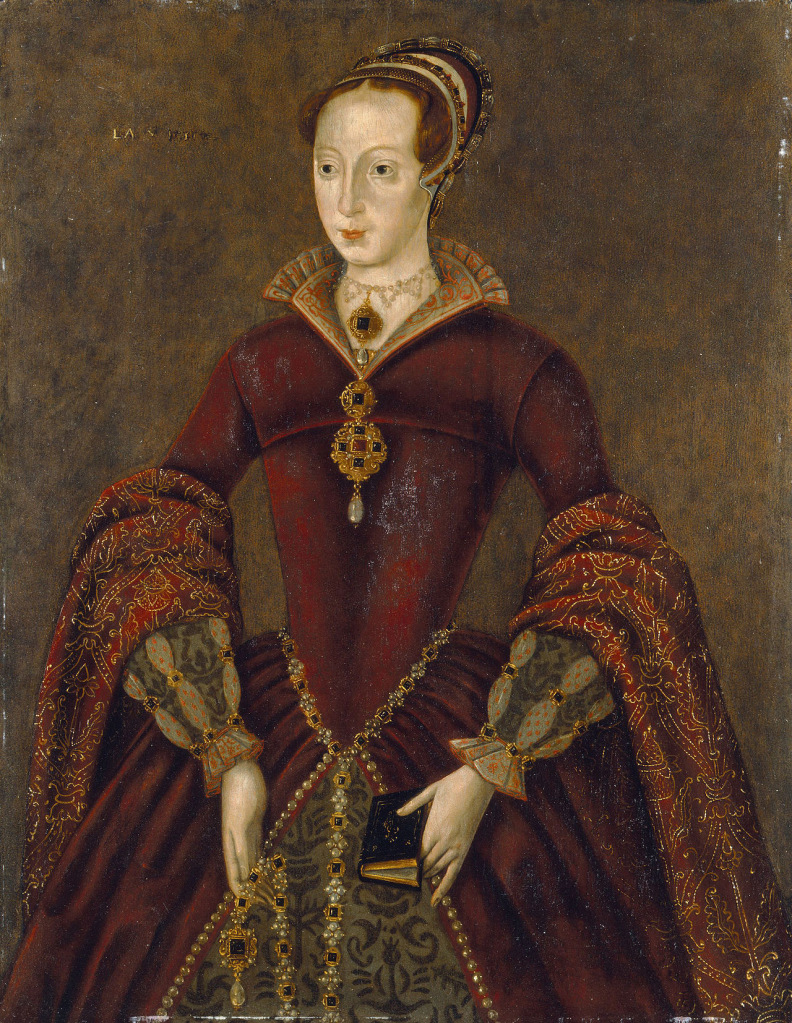 In June 1553, Edward VI wrote his will, nominating Jane and her male heirs as successors to the Crown, in part because his half-sister Mary was Catholic, while Jane was a committed Protestant and would support the reformed Church of England, whose foundation…
View original post 491 more words
19 Jul 2021 Leave a comment
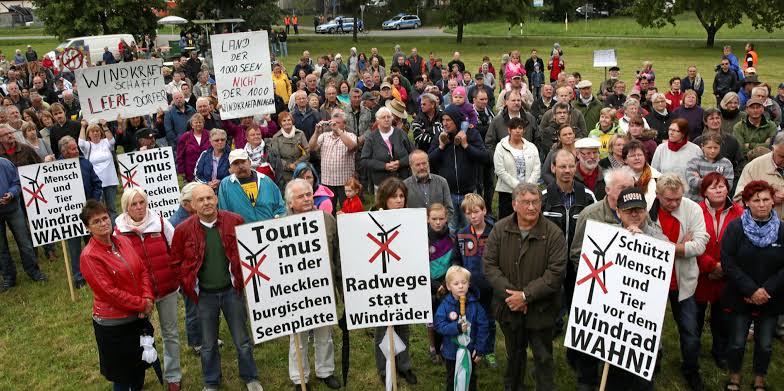
Germany’s wind power transition has hit the wall: rural Germans are sick and tired of the noise, ruined landscapes and communities; and Germans of all persuasions are fed up with Europe’s highest power prices, which continue to rocket as a consequence of its so-called ‘renewable energy transition’ aka the ‘Energiewende’.
Thanks to massive subsidies and mandated targets, over 30,000 of these things have been speared into every last corner of Deutschland. But, as the team from Jo Nova explain below, the backlash against industrial wind power has brought the German wind industry to a shuddering halt.
Wind power “headed for disaster” in Germany
Jo Nova Blog
Jo Nova
1 July 2021
Is this the future of wind all over the world?
The salad days of wind power in Germany are over. Bad news is rolling in from several directions. Twenty years of hope-n-subsidies has run aground. Profits are grinding down…
View original post 972 more words
19 Jul 2021 Leave a comment
Philosophical Liberalism
By Bertrand Russell
(This is Chapter XII of Part I, Book Three of History of Western Philosophy, 1945. Transcribed by Jeffrey Ketland, May 2005.)
————
The rise of liberalism, in politics and philosophy, provides material for the study of a very general and very important question, namely: What has been the general influence of political and social circumstances upon the thoughts of eminent and original thinkers, and, conversely, what has been the influence of these men upon subsequent political and social developments?
Two opposite errors, both common are to be guarded against. On the one hand, men who are more familiar with books than with affairs are apt to over-estimate the influence of philosophers. When they see some political party proclaiming itself inspired by So-and-so’s teaching, they think its actions are attributable to So-and-So, whereas, not infrequently, the philosopher is only acclaimed because he recommends what the…
View original post 2,865 more words
19 Jul 2021 Leave a comment
in applied price theory, applied welfare economics, comparative institutional analysis, discrimination, economic history, economics of crime, economics of education, history of economic thought, human capital, labour economics, labour supply, law and economics, liberalism, Marxist economics, occupational choice, politics - Australia, politics - New Zealand, politics - USA, poverty and inequality, Public Choice, rentseeking, Thomas Sowell Tags: political correctness, racial discrimination, regressive left
19 Jul 2021 Leave a comment
in applied price theory, applied welfare economics, discrimination, economics of education, human capital, labour economics, labour supply, liberalism, Marxist economics, occupational choice, poverty and inequality Tags: free speech, political correctness, racial discrimination, regressive left
19 Jul 2021 Leave a comment
in defence economics, war and peace
19 Jul 2021 Leave a comment
in applied price theory, applied welfare economics, comparative institutional analysis, economic history, entrepreneurship, history of economic thought, industrial organisation, law and economics, market efficiency, property rights, survivor principle, theory of the firm Tags: competition law, Harold Demsetz
19 Jul 2021 Leave a comment
in discrimination, economics of education, history of economic thought, human capital, labour economics, labour supply, liberalism, Marxist economics, occupational choice, poverty and inequality, Thomas Sowell Tags: political correctness, racial discrimination, regressive left, The fatal conceit
Celebrating humanity's flourishing through the spread of capitalism and the rule of law
Celebrating humanity's flourishing through the spread of capitalism and the rule of law
Celebrating humanity's flourishing through the spread of capitalism and the rule of law
Celebrating humanity's flourishing through the spread of capitalism and the rule of law
Celebrating humanity's flourishing through the spread of capitalism and the rule of law
Celebrating humanity's flourishing through the spread of capitalism and the rule of law
Celebrating humanity's flourishing through the spread of capitalism and the rule of law
Celebrating humanity's flourishing through the spread of capitalism and the rule of law
A History of the Alt-Right
Econ Prof at George Mason University, Economic Historian, Québécois
Celebrating humanity's flourishing through the spread of capitalism and the rule of law
Scholarly commentary on law, economics, and more
Beatrice Cherrier's blog
Celebrating humanity's flourishing through the spread of capitalism and the rule of law
Celebrating humanity's flourishing through the spread of capitalism and the rule of law
Celebrating humanity's flourishing through the spread of capitalism and the rule of law
Why Evolution is True is a blog written by Jerry Coyne, centered on evolution and biology but also dealing with diverse topics like politics, culture, and cats.
Celebrating humanity's flourishing through the spread of capitalism and the rule of law
A rural perspective with a blue tint by Ele Ludemann
DPF's Kiwiblog - Fomenting Happy Mischief since 2003
Celebrating humanity's flourishing through the spread of capitalism and the rule of law
The world's most viewed site on global warming and climate change
Tim Harding's writings on rationality, informal logic and skepticism
A window into Doc Freiberger's library
Let's examine hard decisions!
Commentary on monetary policy in the spirit of R. G. Hawtrey
Thoughts on public policy and the media
Celebrating humanity's flourishing through the spread of capitalism and the rule of law
Politics and the economy
A blog (primarily) on Canadian and Commonwealth political history and institutions
Reading between the lines, and underneath the hype.
Economics, and such stuff as dreams are made on
"The British constitution has always been puzzling, and always will be." --Queen Elizabeth II
Celebrating humanity's flourishing through the spread of capitalism and the rule of law
Celebrating humanity's flourishing through the spread of capitalism and the rule of law
WORLD WAR II, MUSIC, HISTORY, HOLOCAUST
Undisciplined scholar, recovering academic
Celebrating humanity's flourishing through the spread of capitalism and the rule of law
Res ipsa loquitur - The thing itself speaks
In Hume’s spirit, I will attempt to serve as an ambassador from my world of economics, and help in “finding topics of conversation fit for the entertainment of rational creatures.”
Researching the House of Commons, 1832-1868
Articles and research from the History of Parliament Trust
Reflections on books and art
Posts on the History of Law, Crime, and Justice
Celebrating humanity's flourishing through the spread of capitalism and the rule of law
Exploring the Monarchs of Europe






Recent Comments