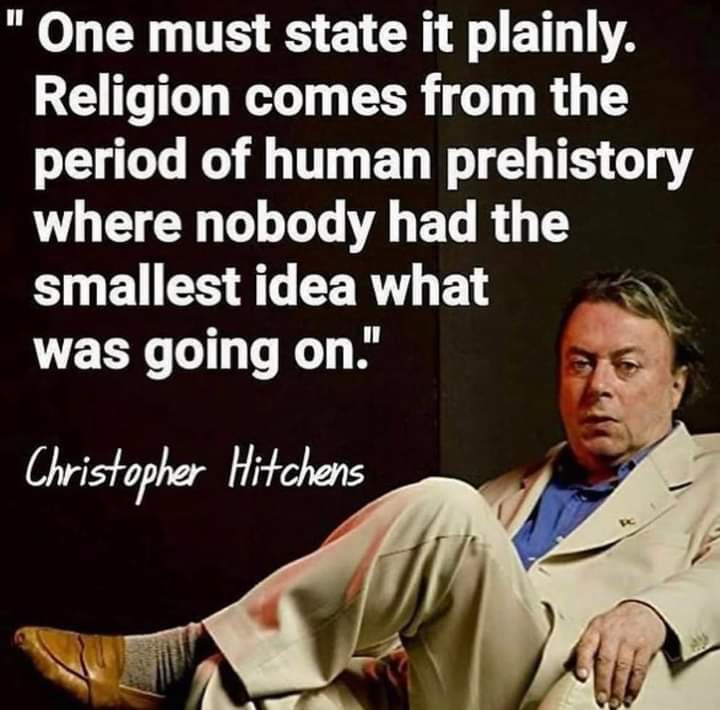
Behind on my blasphemy
20 Mar 2021 Leave a comment
in economics of religion, liberalism Tags: Age of Enlightenment, free speech, Freedom of religion
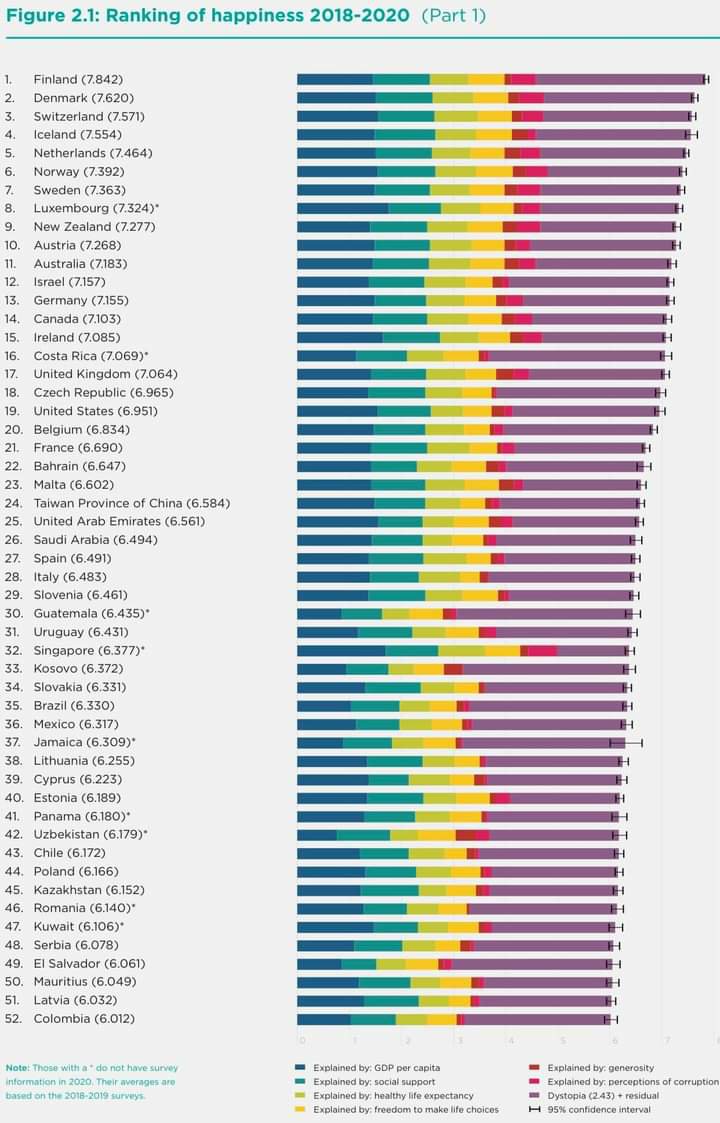
I would like to see a gender analysis of the Saudi happiness data
20 Mar 2021 Leave a comment
in discrimination, economics of crime, gender, law and economics, liberalism Tags: Age of Enlightenment, sex discrimination, women's liberation
Lost on @Greens @NZGreens
20 Mar 2021 1 Comment
in energy economics, environmental economics, environmentalism, global warming, income redistribution, liberalism, Marxist economics, politics - Australia, politics - New Zealand, politics - USA, Public Choice, rentseeking, Thomas Sowell

Mount Tambora: The Year Without a Summer
20 Mar 2021 Leave a comment
in economic history, economics of natural disasters
Jose Maria Barrero, Nicholas Bloom, and Steven Davis: Will working from home stick
19 Mar 2021 Leave a comment
in health economics, industrial organisation, labour economics, labour supply, managerial economics, occupational choice, organisational economics, personnel economics, survivor principle Tags: economics of pandemics
Free up the land
19 Mar 2021 Leave a comment

I suggested on Twitter yesterday that the Green Party’s new housing policy – as articulated on BusinessDesk here by Julie Anne Genter – was absolutely right about the urgency of the issue (actually reform has been overdue for the best part of 30 years) and the need for boldness, but quite wrong about proposed policy responses, which seemed to tackle symptoms while failing to get to the heart of the matter. BusinessDesk invited me to submit a piece offering my solutions. That column came out this afternoon, and is here (not behind the paywall).
Since people tend not to click on links, and I haven’t given the copyright to BusinessDesk who published it a couple of hours ago, I’ve set out my full text below.
Bear in mind that I had only 800 words. That meant I had no chance to do anything much more than set out the key…
View original post 1,027 more words
Japan at Bay
19 Mar 2021 Leave a comment

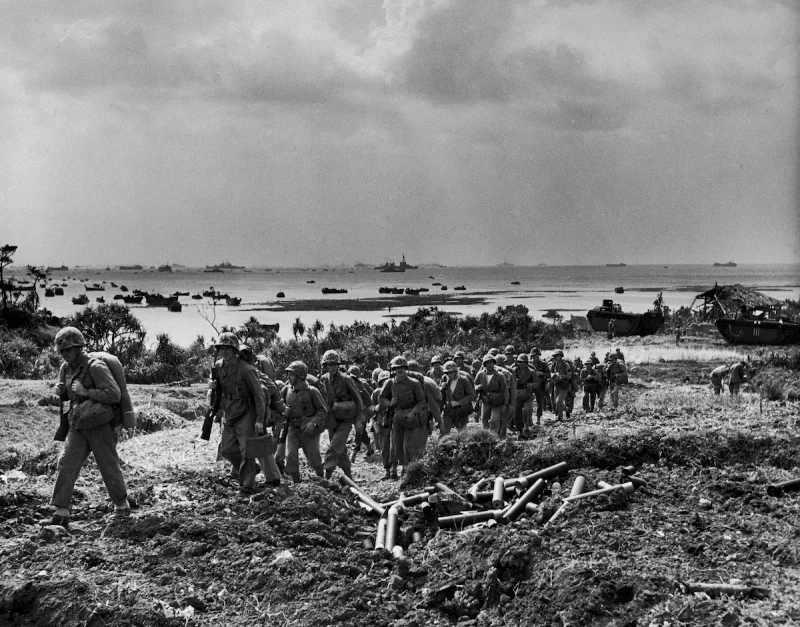
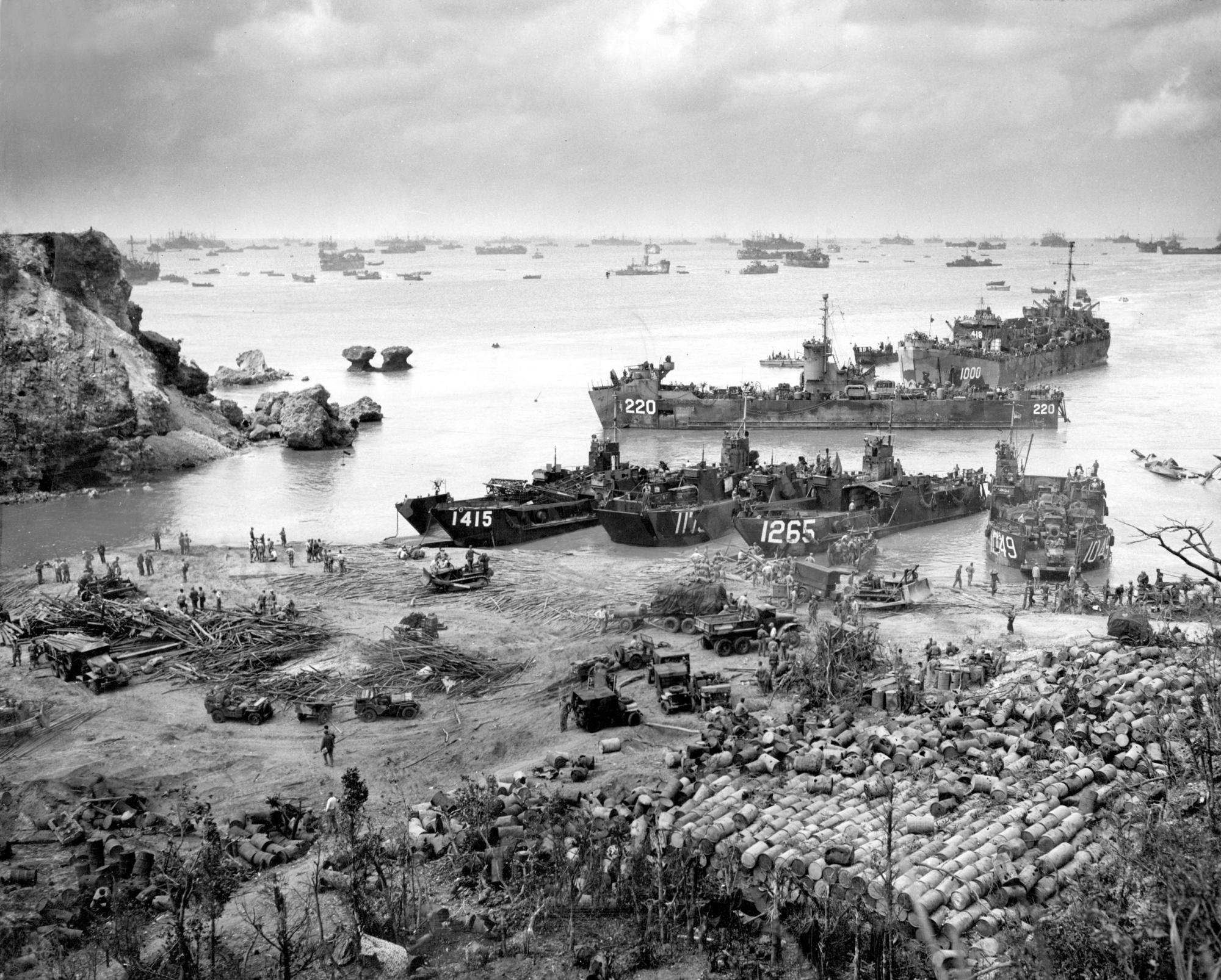
No one—and especially not the members of Japanese Imperial General Headquarters or the United States Joint Chiefs of Staff—expected Okinawa to be the last battle of World War II. Why the surprise? The Joint Chiefs, having woefully underestimated enemy striking power at the beginning of the Pacific War, had just as grievously exaggerated it at the end.
Actually, as some perceptive Okinawans were already privately assuring each other: “Nippon ga maketa. Japan is finished.” In early 1945, after the conquest of Iwo Jima by three Marine divisions, the island nation so vulnerable to aerial and submarine warfare had been almost completely severed from its stolen Pacific empire in “the land of eternal summer.” Leyte in the Philippines had been assaulted the previous October by an American amphibious force under General of the Armies Douglas MacArthur, and in the same month the U.S. Navy had destroyed the remnants of the once-proud…
View original post 3,127 more words
Defending Bill Clinton’s Welfare Reform
19 Mar 2021 Leave a comment

Here are four things to understand about poverty and dependency.
- Throughout most of human history, harsh material deprivation
 was the norm for the vast majority of people.
- The development of free enterprise and economic liberty led to dramatic increases in living standards.
- The poverty rate declined significantly in the 1800s and early 1900s when there was no welfare state.
- After the welfare state was created, poverty and dependency stopped declining.
Now let’s add a fifth item.
- The United States adopted welfare reform in the mid-1990s.
Today’s column examines whether this was a bad development or good development.
We’ll start with a harsh critic.
In his column for the New York Times, Charles Blow wants Democrats to repeal Clinton’s welfare reform.
Clinton’s record, particularly with respect to Black and brown Americans and the poor, was marked by catastrophic miscalculation. …the welfare reform bill, …Clinton promised would “end…
View original post 387 more words
Claudius: Rome’s Accidental Emperor
19 Mar 2021 Leave a comment
in defence economics, economic history Tags: Roman empire
Professor John Gibson – Economic policy, productivity and the global economy
18 Mar 2021 Leave a comment
in applied price theory, applied welfare economics, macroeconomics
The Duchess of Kent: Part II. Widowhood
18 Mar 2021 Leave a comment

Widowhood
The Duke of Kent died suddenly of pneumonia in January 1820, six days before his father, King George III. His widow the Duchess had little cause to remain in the United Kingdom, since she did not speak the language and had a palace at home in Coburg where she could live cheaply on the revenues of her first husband.
However, the British succession at this time was far from assured – of the three brothers older than Edward, the new king, George IV, and the Duke of York were both estranged from their wives, who were in any case past childbearing age. The third brother, the Duke of Clarence, had yet to produce any surviving children with his wife.
The Duchess of Kent decided that she would do better by gambling on her daughter’s accession than by living quietly in Coburg and, having inherited her second husband’s debts, sought…
View original post 241 more words
Basketball gender pay gap may be due to 100 fold difference in revenues and TV ratings
18 Mar 2021 Leave a comment
in discrimination, gender, labour economics, labour supply, occupational choice, sports economics


Recent Comments