Edward Lazear – “Rationality in Policy Making”
27 Nov 2020 Leave a comment
in applied price theory, applied welfare economics, comparative institutional analysis, economics of bureaucracy, economics of information, global financial crisis (GFC), history of economic thought, industrial organisation, international economics, labour economics, macroeconomics, managerial economics, organisational economics, personnel economics, Public Choice

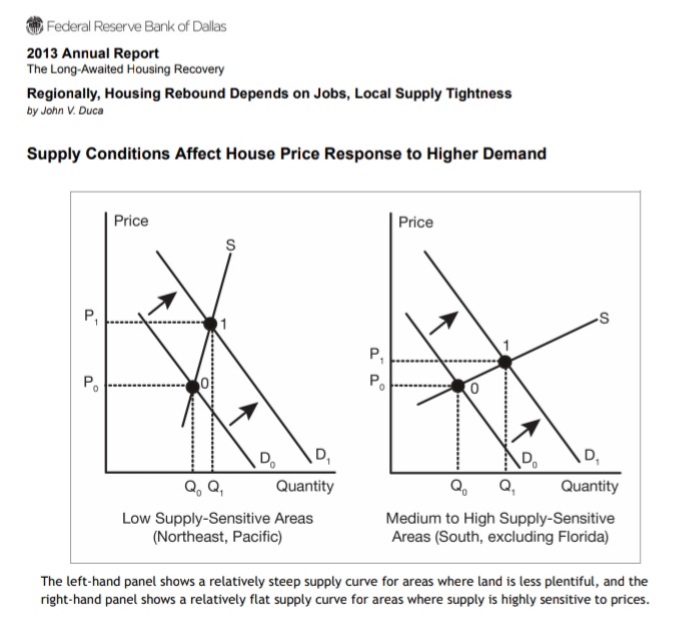
Oil Production by Country 1900 – 2018
27 Nov 2020 Leave a comment
in economic history, energy economics
Ten Minute History – The French Revolution and Napoleon
27 Nov 2020 Leave a comment
in defence economics, economic history, economics of bureaucracy, International law, Public Choice, war and peace Tags: French revolution, Napoleonic wars
The Confusing Belligerent Status of FINLAND in WW2 Explained
27 Nov 2020 Leave a comment
in defence economics, laws of war, war and peace Tags: World War II
Turning back the clock: the Readeption Parliament of Henry VI, 1470-71
26 Nov 2020 Leave a comment

In today’s blog Dr Hannes Kleineke, editor of our Commons 1461-1504 project, looks back to the winter of 1470, as Henry VI found himself on the throne once more...
On 26 November 1470 a Parliament assembled at Westminster. This was in itself no remarkable event, even if there had been no such assembly for over two years. What was remarkable was that for the first time since the late summer of 1460 the writs for the Parliament had been issued in the name of Henry VI, who had been released from the Tower, declared restored to the throne, and installed in the bishop of London’s palace near St Paul’s just weeks earlier.

Following more than a year of…
View original post 821 more words
The case for putting stability and security above other factors when deciding a child’s best interests (and they are colour-blind)
26 Nov 2020 Leave a comment
Kelvin Davis played a straight bat today. Called uplift heart wrenching called for a report.

The inexorable march to separatism – manifest in the political clamour to have Maori children removed from the protection of state welfare agencies – raises questions which most commentators have overlooked or prefer not to tackle.
Lindsay Mitchell is not so coy. She asks if the future of a child with a modicum of Maori blood should be decided solely by Maori members of a family and raises the matter of the rights and claims of non-Maori family members.
Rights were brought smack-bang into the issue when the Human Rights Commission threw its support behind calls by the Children’s Commissioner for urgent action to keep at-risk Māori children with their wider family.
In effect, these authorities are telling us the rights of Maori family members outweigh the rights of non-Maori family members.
The Children’s Commissioner this month published the second of two reports on a review of…
View original post 619 more words
Former CIA Chief of Disguise Breaks Down Cold War Spy Gadgets | WIRED
26 Nov 2020 Leave a comment
in defence economics Tags: Cold War
Medsafe delays #COVID19 vaccines
26 Nov 2020 Leave a comment
in economics of bureaucracy, economics of regulation, health economics, politics - New Zealand, Public Choice Tags: drug lags, economics of pandemics

Message discipline?
26 Nov 2020 Leave a comment
in energy economics, environmental economics, global warming, politics - New Zealand Tags: climate alarmists

Trouble with the In-laws? Marriage and Murder in Thirteenth-Century England
26 Nov 2020 Leave a comment

Posted by Sara M. Butler; 25 November 2020.
On Saturday, June 15, 1287, an inquest was held at the king’s prison of Carlisle (Cumbria) into accusations against William le Macegrene of Langrigg, arrested and imprisoned for the homicide of Richard de la Ferete, for which he stood indicted. The inquest had been assembled to establish whether the indictment had been procured legitimately or maliciously, as the defendant claimed. The defendant’s objective was to be released from prison on bail. The next general eyre was five years away. Five years in prison was a dangerous and expensive proposition at a time when prisoners regularly died from “gaol fever,” malnutrition, or just outright starvation. Thus, while it was English policy to detain all defendants accused of homicide without bail, exceptions might be made if the accusation was found to have sprung from hate and spite (de odio et atya) and…
View original post 2,240 more words
Unpacking Policy Consequences: Kevin Murphy and Ed Lazear Part 1
26 Nov 2020 Leave a comment
in applied price theory, applied welfare economics, comparative institutional analysis, economics of bureaucracy, economics of education, economics of information, labour economics, managerial economics, organisational economics, personnel economics, Public Choice


Recent Comments