The Abandoned Hill With Two Members Of Parliament
12 Jul 2020 Leave a comment
in comparative institutional analysis, constitutional political economy, economic history, economics of bureaucracy, income redistribution, law and economics, property rights, Public Choice, public economics Tags: British history, British politics
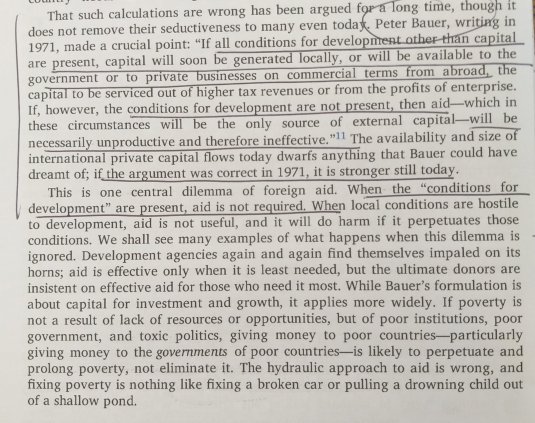
Angus Deaton’s The Great Escape channels P.T. Bauer
07 Jul 2020 Leave a comment
in comparative institutional analysis, constitutional political economy, development economics, economic history, economics of bureaucracy, growth disasters, growth miracles, income redistribution, law and economics, P.T. Bauer, property rights, Public Choice, public economics, rentseeking Tags: ODA, offsetting behaviour, The fatal conceit, The Great Enrichment, The Great Escape, unintended consequences
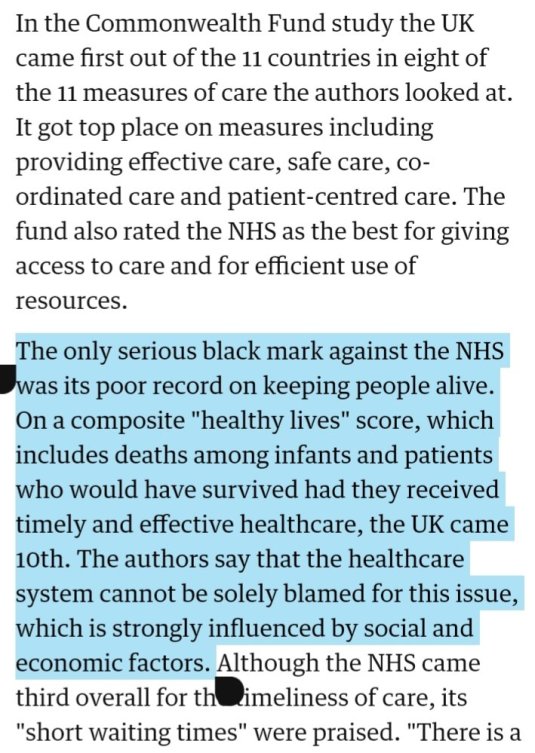
NHS comes top with only one black mark
06 Jul 2020 Leave a comment
in economics of bureaucracy, health economics, industrial organisation, Public Choice, public economics Tags: British politics, health insurance, The fatal conceit, unintended consequences
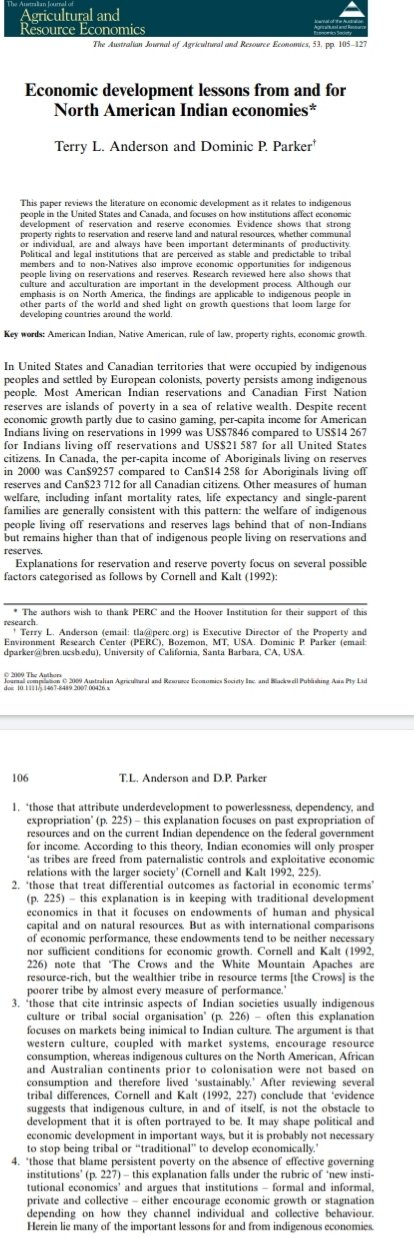
More on reservations as backwaters
28 Jun 2020 Leave a comment
in comparative institutional analysis, constitutional political economy, development economics, discrimination, economics of bureaucracy, economics of crime, economics of education, economics of regulation, human capital, income redistribution, industrial organisation, labour economics, labour supply, law and economics, politics - USA, poverty and inequality, property rights, Public Choice, public economics, rentseeking, unemployment, welfare reform Tags: Canada, racial discrimination
Fair Argument Against “Systemic Racism”
26 Jun 2020 Leave a comment
in discrimination, economic history, economics of bureaucracy, economics of crime, economics of education, economics of information, human capital, income redistribution, labour economics, labour supply, law and economics, politics - USA, poverty and inequality, property rights, Public Choice, welfare reform Tags: racial discrimination, regressive left

Hayek and Pandemic Response with Professor Mark Pennington
23 Jun 2020 Leave a comment
in applied price theory, applied welfare economics, Austrian economics, comparative institutional analysis, constitutional political economy, economic history, economics of bureaucracy, economics of information, economics of regulation, F.A. Hayek, health economics, history of economic thought, income redistribution, industrial organisation, international economics, labour economics, law and economics, personnel economics, rentseeking, survivor principle Tags: economics of pandemics, offsetting behaviour, pessimism bias, political correctness, regressive left, The fatal conceit, unintended consequences
HT Cafe Hayek
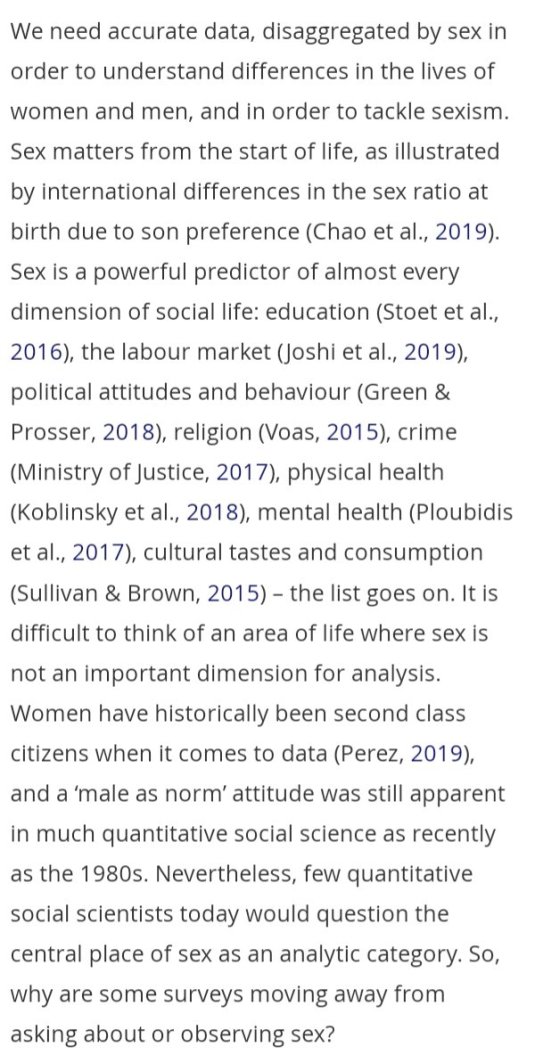
Why surveys should not conflate sex and gender identity
22 Jun 2020 Leave a comment
in discrimination, economics of bureaucracy, economics of crime, economics of information, gender, health and safety, health economics, human capital, labour economics, labour supply, law and economics, politics - Australia, politics - New Zealand, politics - USA, poverty and inequality, Public Choice Tags: political correctness, regressive left, sex discrimination
Jordan Peterson: Why is Marxism so Attractive?
22 Jun 2020 Leave a comment
in development economics, economic history, economics of bureaucracy, economics of crime, economics of education, history of economic thought, income redistribution, labour economics, law and economics, Marxist economics, politics - Australia, politics - New Zealand, politics - USA, poverty and inequality, property rights, Public Choice, rentseeking Tags: political correctness, regressive left
Everyone of these health officials should be fired for contempt of democracy
20 Jun 2020 Leave a comment
in economics of bureaucracy, health economics, politics - New Zealand, Public Choice Tags: economics of pandemics
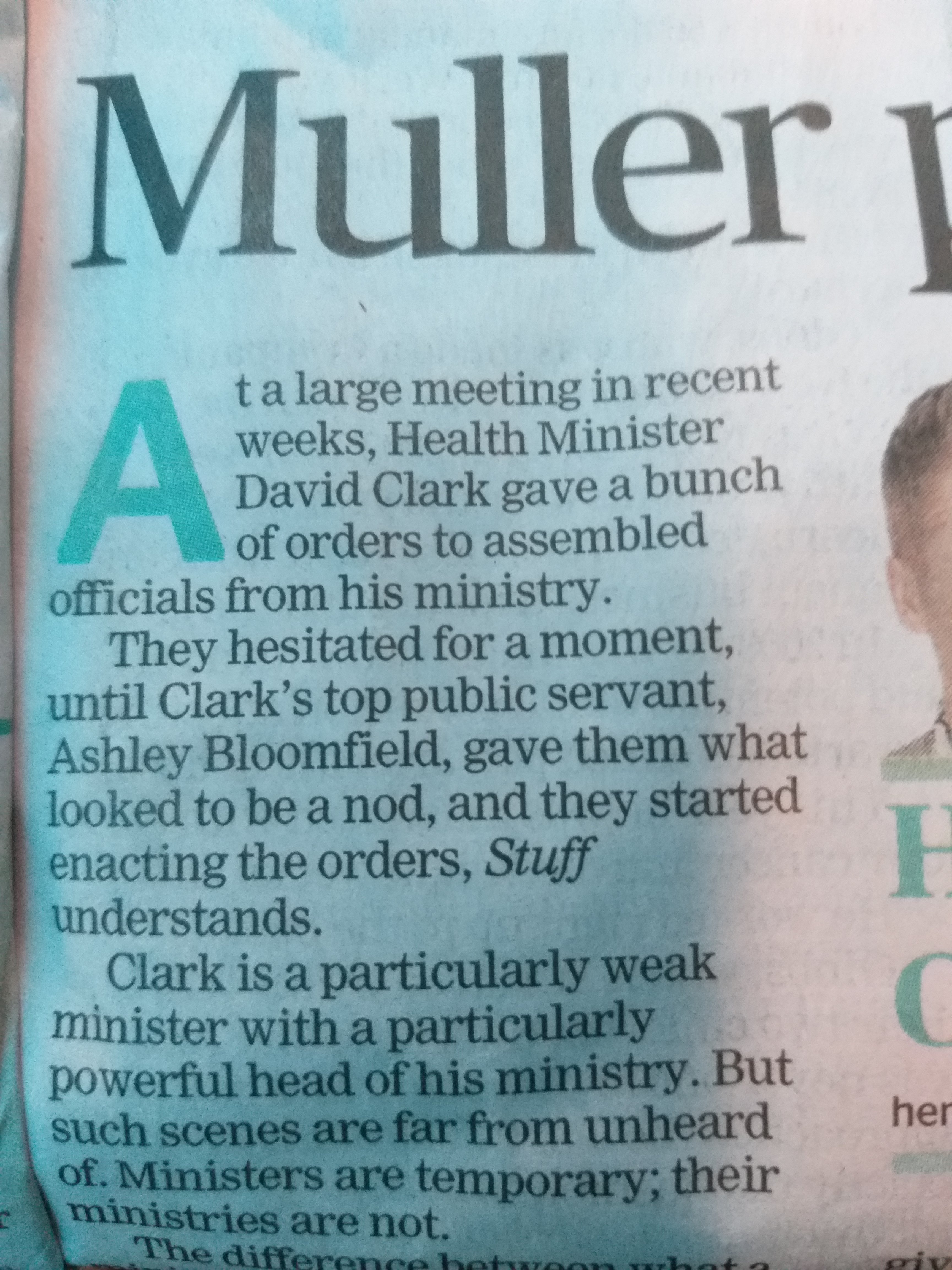
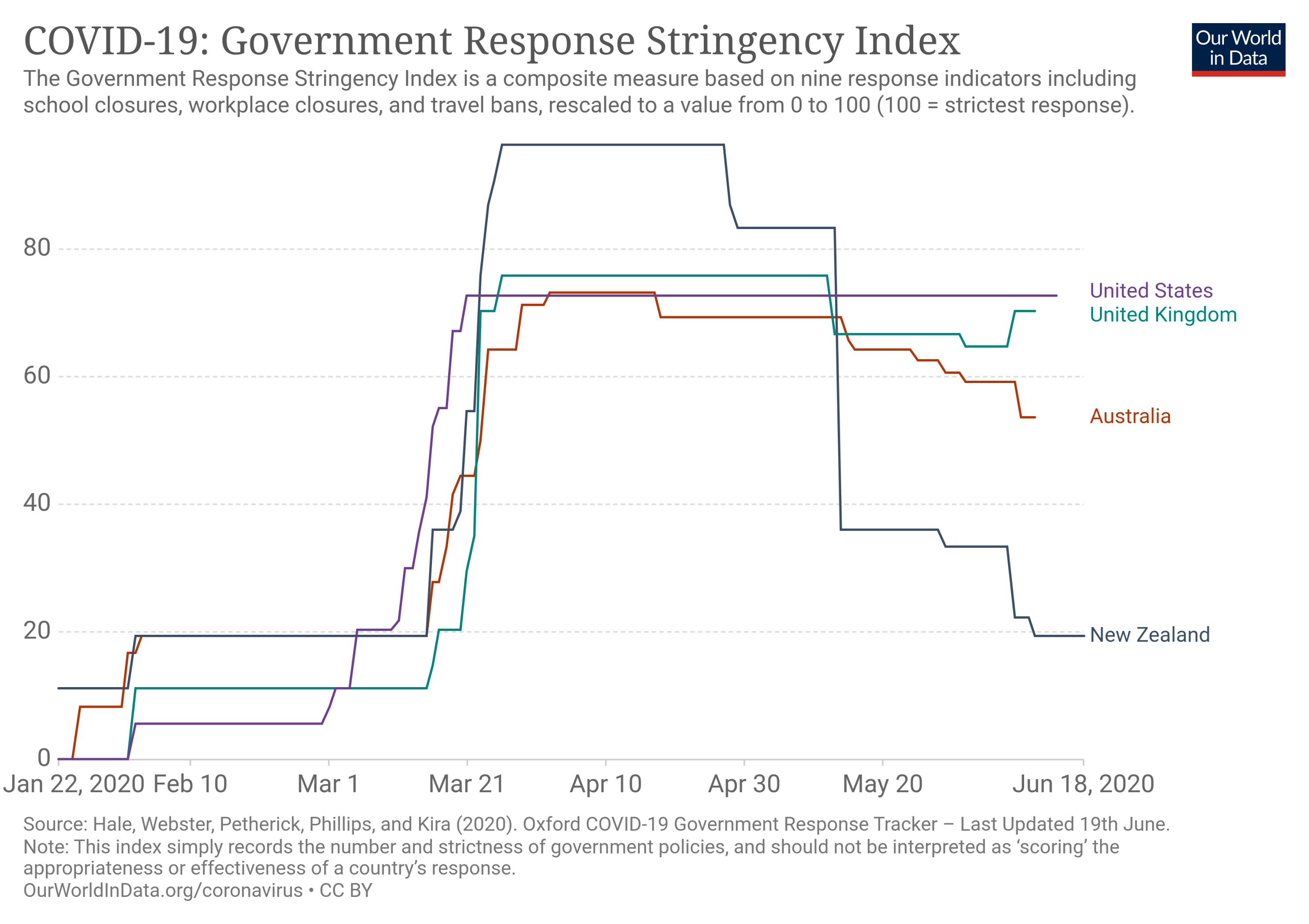
Did NZ go fast and early on #COVID19?
20 Jun 2020 Leave a comment
in economic growth, economics of bureaucracy, economics of regulation, health economics, macroeconomics, politics - Australia, politics - New Zealand, politics - USA, Public Choice Tags: economics of pandemics
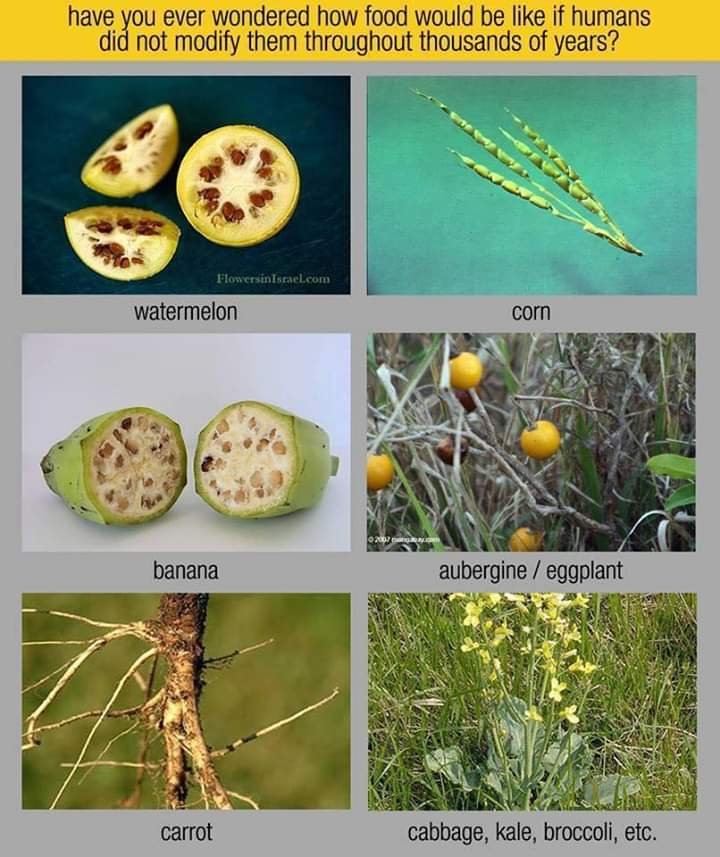
Behind on my #GMO blogging @Greenpeace @Greens @NZGreens @oxfam
20 Jun 2020 Leave a comment
in economics of bureaucracy, economics of information, economics of regulation, environmental economics, health economics, politics - Australia, politics - New Zealand, politics - USA, Public Choice, rentseeking Tags: anti-GMO movement, Anti-Science left, cranks, regressive left


Recent Comments