The architecture trend dividing London’s elites
27 Nov 2021 Leave a comment
in economics of bureaucracy, economics of regulation, environmental economics, law and economics, property rights, Public Choice, public economics, rentseeking, urban economics Tags: land supply, zoning
Liberal Hypocrisy is Fueling American Inequality. Here’s How. | NYT Opinion
21 Nov 2021 Leave a comment
in economics of education, human capital, income redistribution, labour economics, labour supply, politics - USA, poverty and inequality, Public Choice, public economics Tags: offsetting behaviour, top 1%, unintended consequences
Prescott on business cycles
16 Nov 2021 Leave a comment
in business cycles, Edward Prescott, history of economic thought, labour supply, macroeconomics, monetary economics, public economics
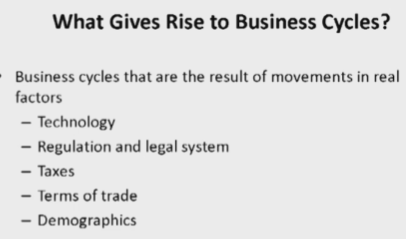
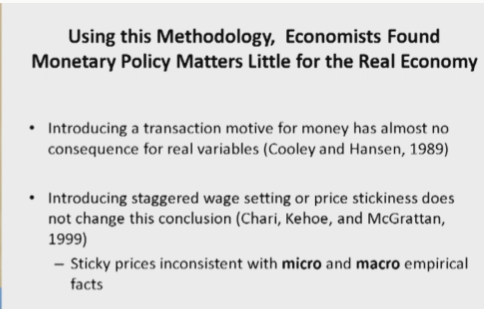
Edward C. Prescott 2015 Nov 11. Video – Edward C. Prescott (2014) – The Revolution in Aggregate Economics https://www.mediatheque.lindau-nobel.org/videos/33975/edward-prescott/laureate-prescott Accessed 2021 Nov 15.
Prescott on business cycles
16 Nov 2021 Leave a comment
in business cycles, Edward Prescott, history of economic thought, labour supply, macroeconomics, monetary economics, public economics
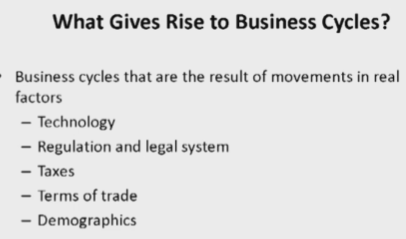
Edward C. Prescott 2015 Nov 11. Video – Edward C. Prescott (2014) – The Revolution in Aggregate Economics <https://www.mediatheque.lindau-nobel.org/videos/33975/edward-prescott/laureate-prescott>. Accessed 2021 Nov 15.
The reduced supply of safe assets
07 Nov 2021 Leave a comment
in applied price theory, budget deficits, business cycles, economic growth, economic history, Euro crisis, financial economics, fiscal policy, global financial crisis (GFC), great recession, history of economic thought, international economics, law and economics, macroeconomics, monetarism, monetary economics, public economics Tags: monetary policy
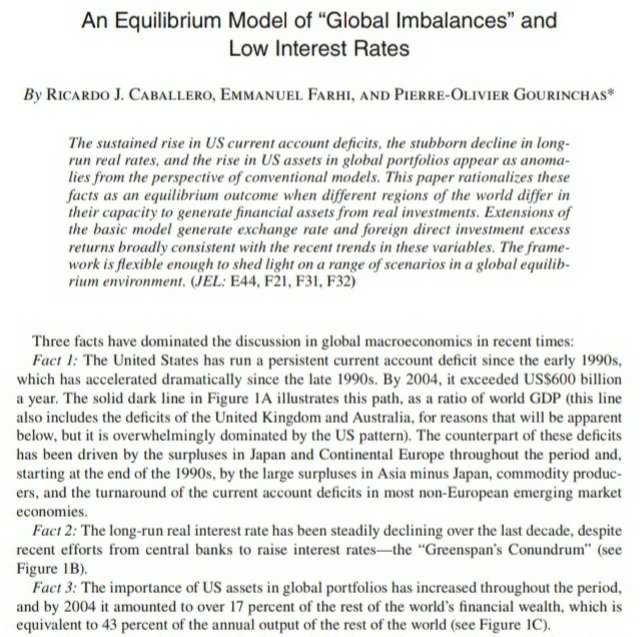
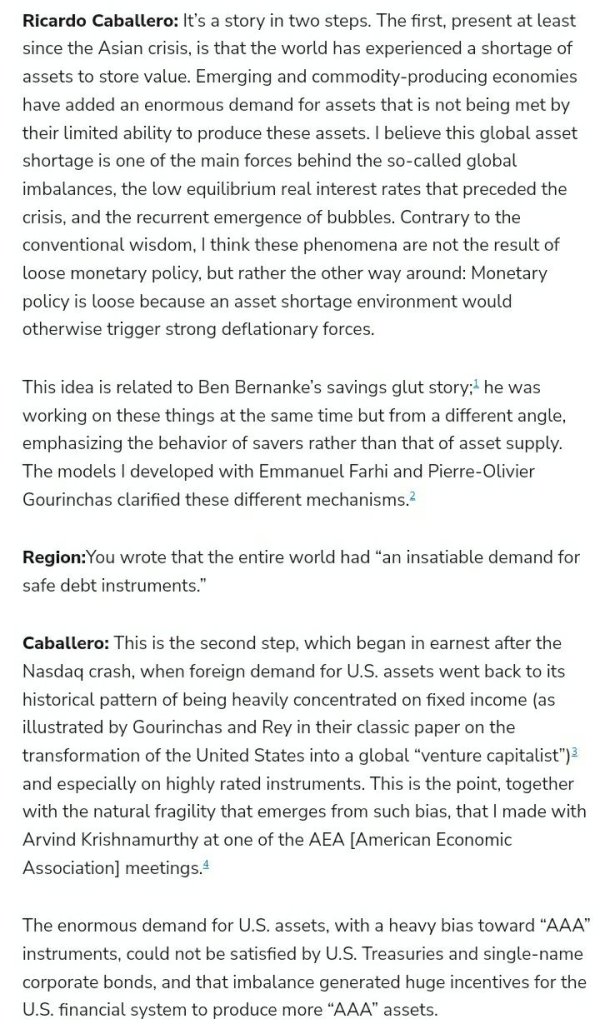
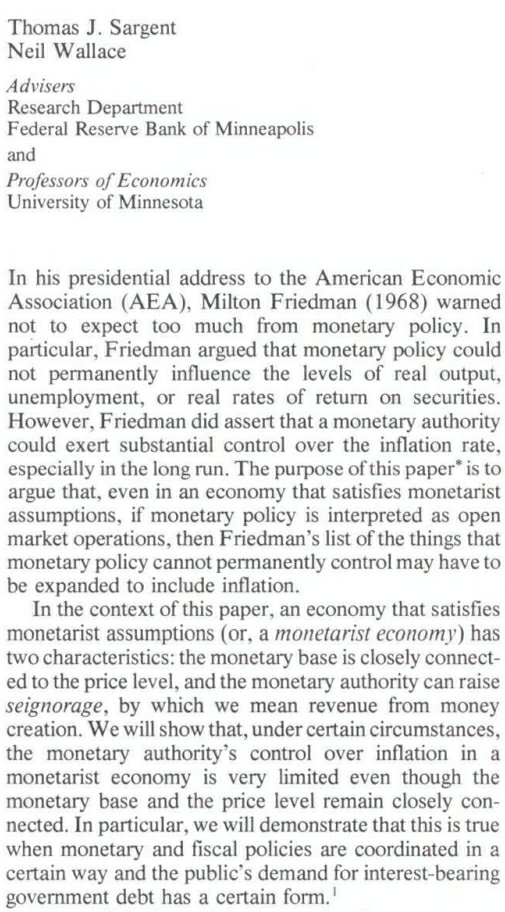
Valerie Ramey on Stimulus and Multipliers 10/24/2011
07 Nov 2021 Leave a comment
in budget deficits, business cycles, econometerics, economic growth, economic history, fiscal policy, global financial crisis (GFC), great depression, great recession, history of economic thought, macroeconomics, public economics
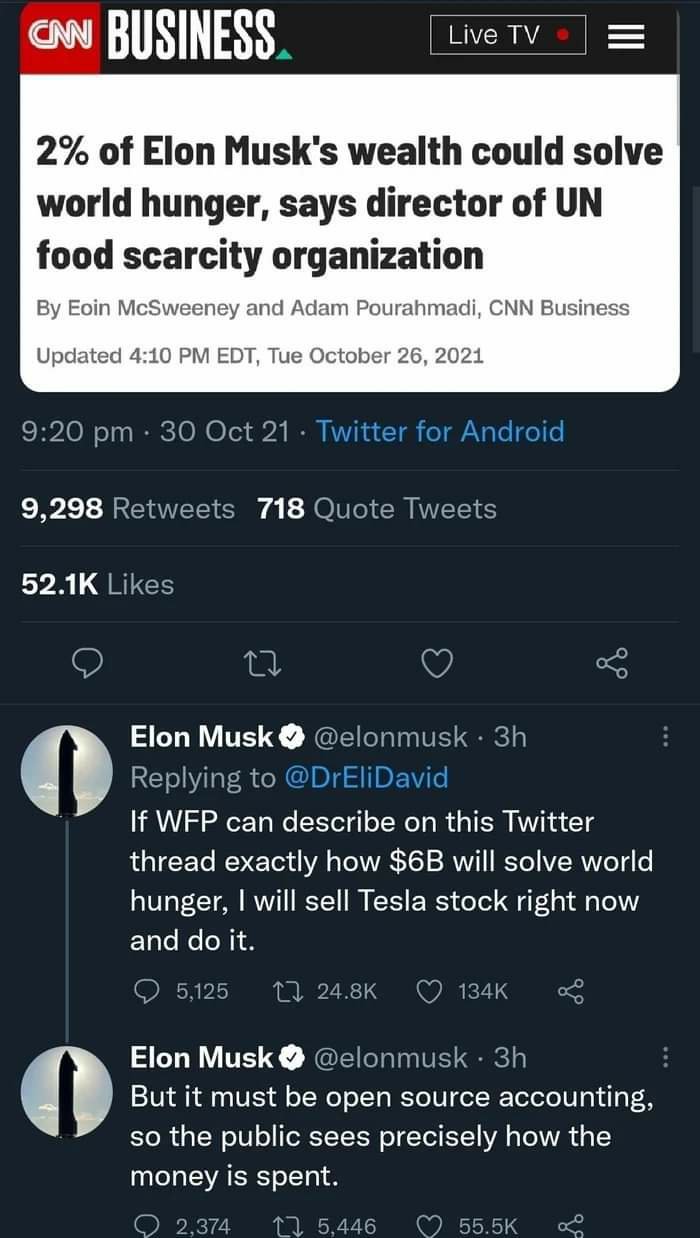
I usually stop reading at the first mention of the @UN
02 Nov 2021 Leave a comment
in applied price theory, development economics, economic growth, economics of bureaucracy, entrepreneurship, growth disasters, growth miracles, income redistribution, industrial organisation, international economics, macroeconomics, Marxist economics, Public Choice, public economics, rentseeking Tags: capitalism and freedom, The Great Enrichment, top 1%
A Million Mutinies: The key to economic development |Robert Lucas 2001
02 Nov 2021 Leave a comment
in applied price theory, comparative institutional analysis, development economics, economic growth, economic history, economics of bureaucracy, economics of education, entrepreneurship, growth disasters, growth miracles, history of economic thought, human capital, income redistribution, industrial organisation, labour economics, labour supply, law and economics, macroeconomics, occupational choice, poverty and inequality, property rights, Public Choice, public economics, rentseeking, Robert E. Lucas, unemployment Tags: economics of immigration, The Great Enrichment

Edward Glaeser on Survival of the City
01 Nov 2021 Leave a comment
in applied price theory, applied welfare economics, comparative institutional analysis, development economics, economic history, economics of bureaucracy, economics of crime, economics of education, economics of regulation, entrepreneurship, human capital, income redistribution, industrial organisation, international economics, labour economics, labour supply, law and economics, occupational choice, poverty and inequality, property rights, Public Choice, public economics, rentseeking, survivor principle, transport economics, urban economics
Ed Glaeser doesn’t hold back
28 Oct 2021 Leave a comment
in applied price theory, applied welfare economics, comparative institutional analysis, environmental economics, income redistribution, Public Choice, public economics, rentseeking, transport economics, urban economics Tags: green rentseeking, NIMBY
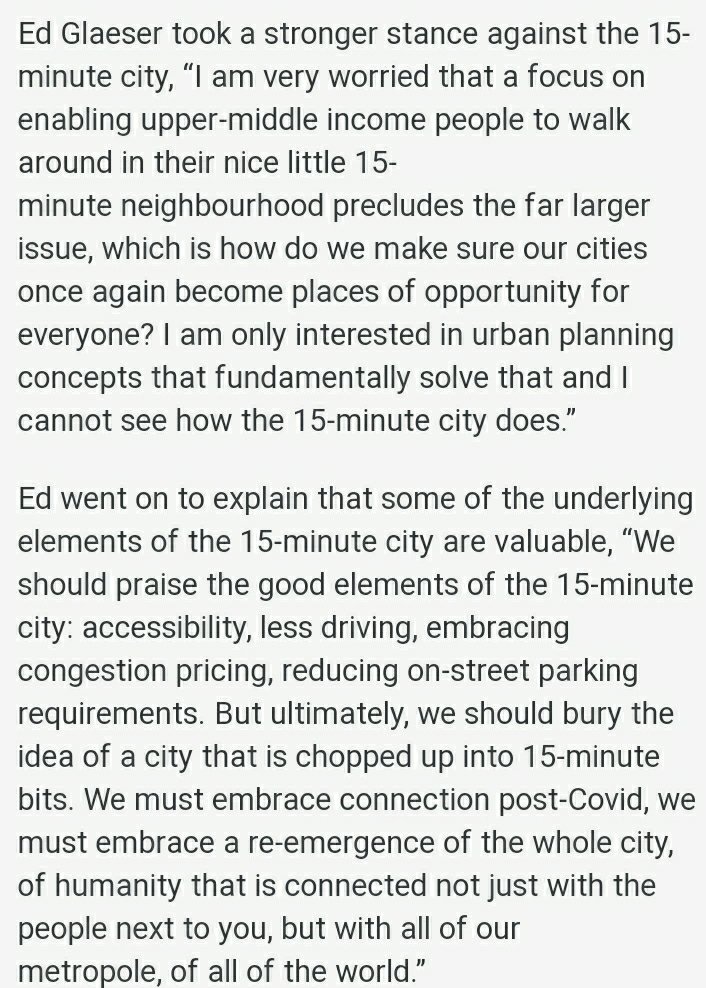
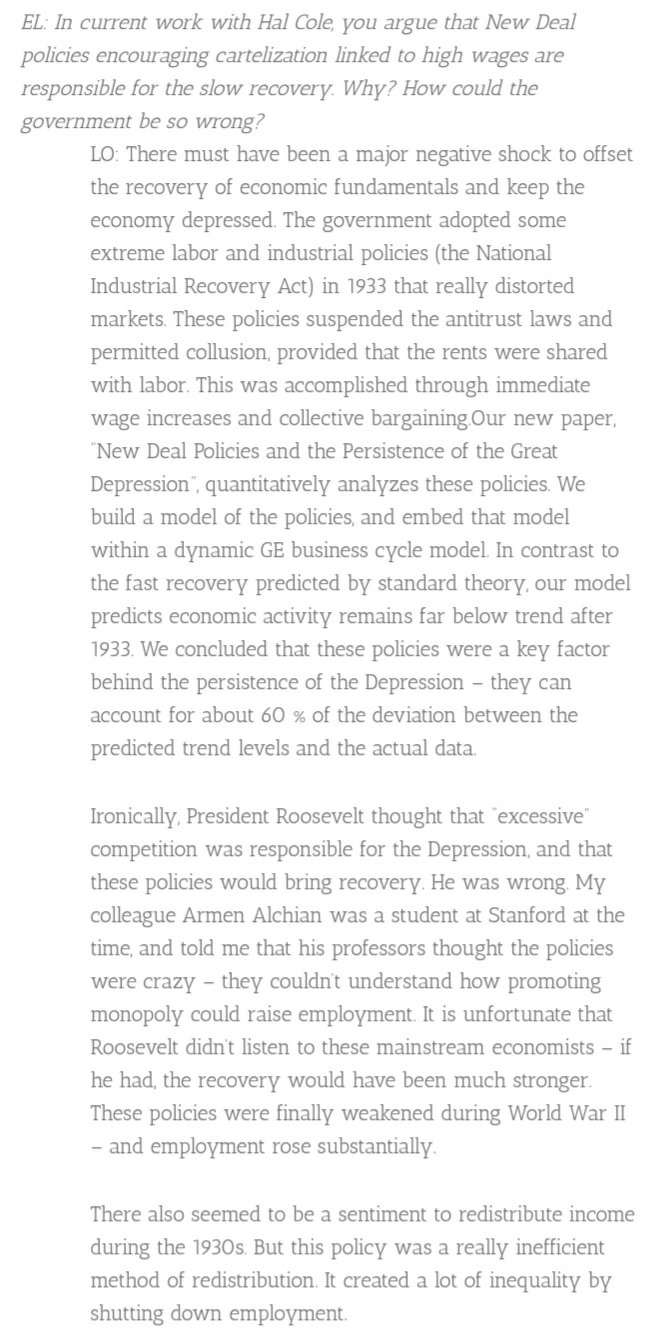
Cities at a Crossroads | Ed Glaeser
21 Oct 2021 Leave a comment
in applied price theory, applied welfare economics, development economics, economic history, economics of bureaucracy, energy economics, environmental economics, history of economic thought, human capital, industrial organisation, labour economics, labour supply, law and economics, occupational choice, poverty and inequality, property rights, Public Choice, public economics, rentseeking, transport economics, urban economics
William Nordhaus – ECB Conference on Monetary Policy – 19 October 2020
20 Oct 2021 Leave a comment
in applied welfare economics, Austrian economics, comparative institutional analysis, constitutional political economy, economic history, economics of bureaucracy, energy economics, environmental economics, global warming, Public Choice, public economics Tags: carbon tax, carbon trading
 Utopia, you are standing in it!
Recent Comments