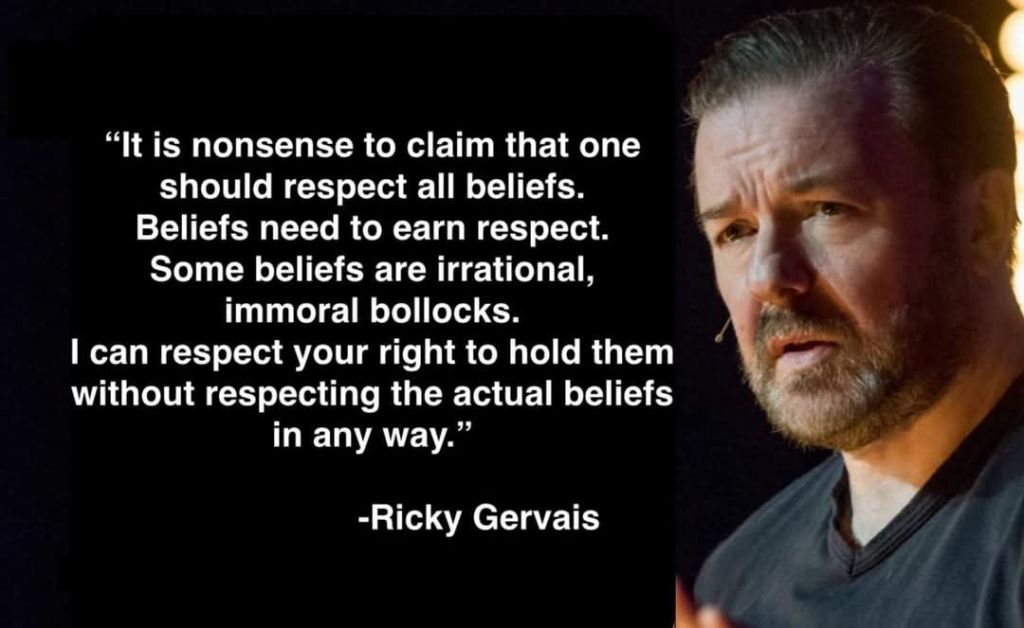
Spot on
14 Mar 2025 Leave a comment
in economics of education, liberalism, Marxist economics, political change, politics - Australia, politics - New Zealand, politics - USA Tags: free speech, political correctness, regressive left
“The Threat From Within”: J.D. Vance Delivers a Historic Defense of Free Speech
18 Feb 2025 Leave a comment
in law and economics, liberalism, Marxist economics, political change, politics - USA Tags: 2024 presidential election, Age of Enlightenment, free speech, political correctness, regressive left
Below is my column in the Hill on the historic defense of free speech by Vice President J.D. Vance in Munich last week. Where John F. Kennedy went to Berlin to declare “Ich bin ein Berliner,” Vance in Munich to declare a type of “Ich bin ein Amerikanisch.” He spoke of free speech as an […]
“The Threat From Within”: J.D. Vance Delivers a Historic Defense of Free Speech
Left-Wing Economists Were Wildly Wrong about Javier Milei and his Libertarian Agenda for Argentina
10 Jan 2025 Leave a comment
in applied price theory, Austrian economics, budget deficits, business cycles, comparative institutional analysis, constitutional political economy, development economics, economic growth, economics of regulation, financial economics, fiscal policy, growth disasters, growth miracles, history of economic thought, income redistribution, international economics, labour economics, law and economics, liberalism, libertarianism, macroeconomics, Marxist economics, monetarism, monetary economics, political change, politics - USA, property rights, Public Choice, public economics, rentseeking, unemployment Tags: Argentina
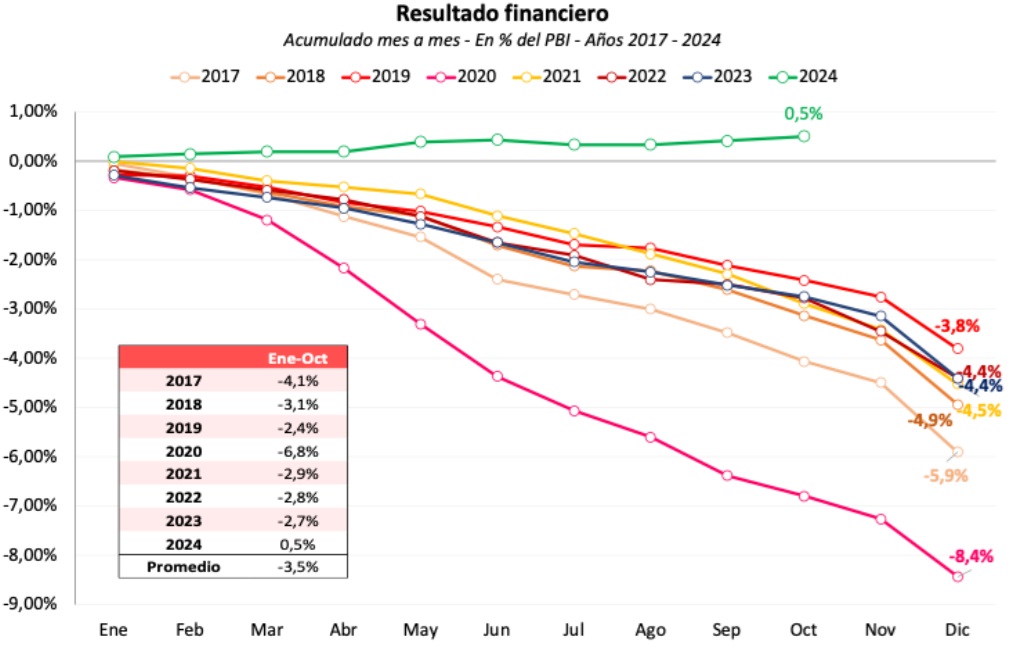
It’s easy to mock economists. Consider the supposedly prestigious left-leaning academics who asserted in 2021 that Biden’s agenda was not inflationary. At the risk of understatement, they wound up with egg on their faces.* Today, we’re going to look at another example of leftist economists making fools of themselves. It involves Argentina, where President Javier […]
Left-Wing Economists Were Wildly Wrong about Javier Milei and his Libertarian Agenda for Argentina
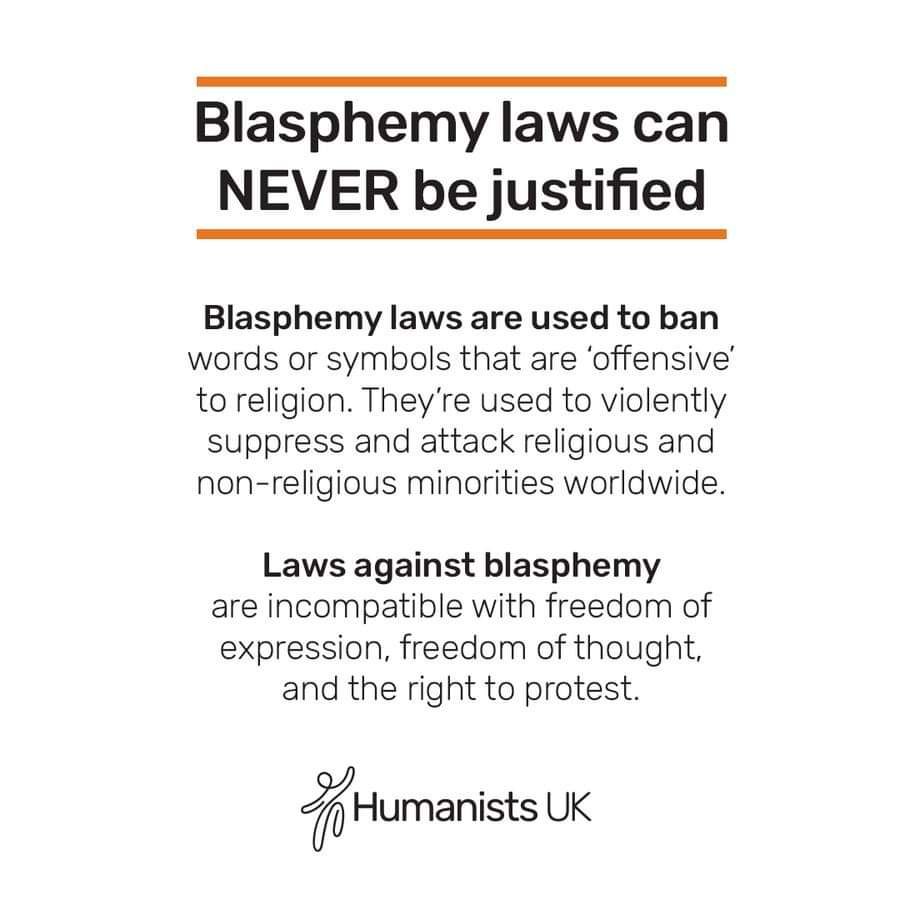
Blasphemer
03 Oct 2024 1 Comment
in law and economics, liberalism, Marxist economics, political change, politics - Australia, politics - New Zealand, politics - USA Tags: Age of Enlightenment, free speech, Freedom of religion, political correctness, regressive left
Deirdre McCloskey: What Is Classical Liberalism? | Robinson’s Podcast #145
17 Jan 2024 Leave a comment
in applied price theory, applied welfare economics, comparative institutional analysis, economic history, economics of climate change, energy economics, environmental economics, global warming, history of economic thought, law and economics, liberalism, libertarianism, Marxist economics, political change, Public Choice, public economics
What Happened to all the German Kings when Germany Unified?
23 Mar 2022 Leave a comment
in defence economics, economic history, International law, political change Tags: Germany
Mandela’s legacy: 25 years on | The Economist
28 Apr 2019 Leave a comment
in defence economics, development economics, economic history, economics of bureaucracy, economics of crime, income redistribution, law and economics, Marxist economics, political change, property rights, Public Choice, rentseeking Tags: apartheid, South Africa
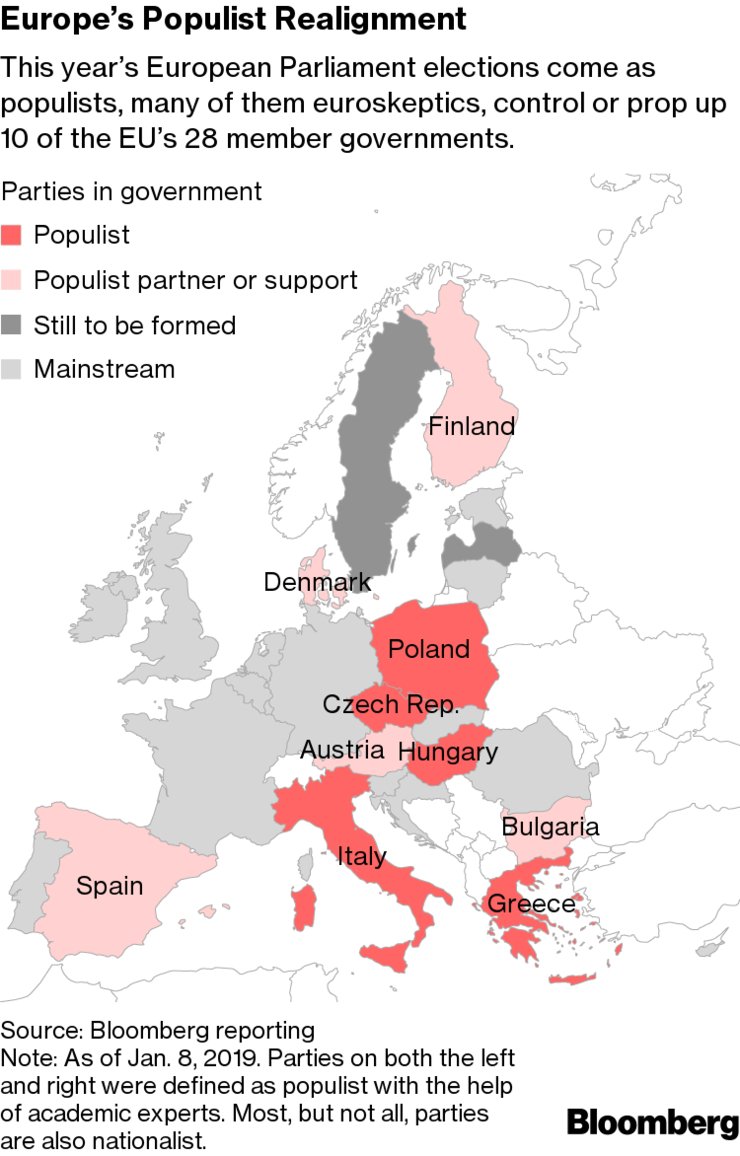
To put it another way, how crap left wing parties perform at ballot box in Europe
28 Jan 2019 Leave a comment
in political change Tags: populists
Escape from the GDR
11 Apr 2017 Leave a comment
in economics, liberalism, Marxist economics, political change Tags: capitalism and freedom, East Germany, fall of communism
John Cleese’s Monty Python Picks (2015) Compilation
12 Oct 2016 Leave a comment
in movies, political change, television Tags: Monty Python
11 November 1918 was a busy day in Berlin
12 Nov 2015 Leave a comment
in political change, war and peace Tags: Germany, World War I
A Schumpeterian explanation of the recent rejection of the centre-left in Europe
02 Jul 2015 Leave a comment
in political change, Public Choice Tags: EU, Euroland, European politics, expressive voting, Joseph Schumpeter, Leftover Left, rational ignorance, rational irrationality
Kiwiblog put me onto the story in the Guardian about how only one third of Europe’s population is governed by the centre-left and the left is lost all but one of the last 13 elections in Europe. The exception was Greece, which they may regret.

Austria, Croatia, the Czech Republic, France, Italy, Malta, Slovakia and Sweden are the only EU members that are on the centre-left. In 2011, only 14.5% of the 28 countries’ total population was led by the centre-left. In 2007, it was nearly 45%.
The reason for the shift to the right can be explained by Joseph Schumpeter’s theory of democracy. Schumpeter disputed the widely held view that democracy was a process by which the electorate identified the common good, and that politicians carried this out:
- The people’s ignorance and superficiality meant that they were manipulated by politicians who set the agenda.
- Although periodic votes legitimise governments and keep them accountable, their policy programmes are very much seen as their own and not that of the people, and the participatory role for individuals is limited.
Schumpeter’s theory of democratic participation is that voters have the ability to replace political leaders through periodic elections.
Citizens do have sufficient knowledge and sophistication to vote out leaders who are performing poorly or contrary to their wishes. The power of the electorate to turn elected officials out of office at the next election gives elected officials an incentive to adopt policies that do not outrage public opinion and administer the policies with some minimum honesty and competence.
Power rotates in the Schumpeterian sense. Governments were voted out when they disappointed voters with the replacement not necessarily having very different policies. Greece is the exception to this.
Social change in America
01 Jul 2015 Leave a comment
in political change, politics - USA Tags: political psychology, reference formation, voter demographics
Americans' views on some social issues move in one direction, while views on others ebb & flow nytimes.com/2015/06/30/ups… http://t.co/XWhqiv6jMx—
NYT Graphics (@nytgraphics) June 30, 2015
This is how fast America changed its mind on the biggest social issues
30 Apr 2015 Leave a comment
in economic history, economics of media and culture, economics of regulation, economics of religion, political change, politics - USA Tags: expressive voting, preference falsification
This is how fast America changed its mind on the biggest social issues bloom.bg/1DIk6PQ http://t.co/RjAiw0y2dV—
Bloomberg Business (@business) April 27, 2015
 Utopia, you are standing in it!
Recent Comments