First time I have heard Milo speak
19 Feb 2017 Leave a comment
in politics - USA Tags: crybaby left, Leftover Left
How much will Morgan’s capital tax cost you?
19 Feb 2017 3 Comments
in fiscal policy, politics - New Zealand, public economics
| Average house value January 2017 | Morgan capital tax 6% return |
Morgan capital tax 3.5% return |
|
|
New Zealand |
$631,302 |
$11,363 |
$6,629 |
|
Main Urban Areas |
$754,572 |
$13,582 |
$7,923 |
|
Auckland Area |
$1,047,699 |
$18,859 |
$11,001 |
|
Wellington Area |
$582,322 |
$10,482 |
$6,114 |
|
Far North District |
$389,811 |
$7,017 |
$4,093 |
|
Whangarei District |
$463,319 |
$8,340 |
$4,865 |
|
Kaipara District |
$463,896 |
$8,350 |
$4,871 |
|
Rodney District |
$933,456 |
$16,802 |
$9,801 |
|
Rodney – Hibiscus Coast |
$908,966 |
$16,361 |
$9,544 |
|
Rodney – North |
$961,450 |
$17,306 |
$10,095 |
|
North Shore City |
$1,214,291 |
$21,857 |
$12,750 |
|
North Shore – Coastal |
$1,387,368 |
$24,973 |
$14,567 |
|
North Shore – Onewa |
$971,364 |
$17,485 |
$10,199 |
|
North Shore – North Harbour |
$1,189,924 |
$21,419 |
$12,494 |
|
Waitakere City |
$836,574 |
$15,058 |
$8,784 |
|
Auckland City |
$1,225,096 |
$22,052 |
$12,864 |
|
Auckland City – Central |
$1,065,420 |
$19,178 |
$11,187 |
|
Auckland_City – East |
$1,532,815 |
$27,591 |
$16,095 |
|
Auckland City – South |
$1,107,912 |
$19,942 |
$11,633 |
|
Auckland City – Islands |
$1,036,288 |
$18,653 |
$10,881 |
|
Manukau City |
$901,422 |
$16,226 |
$9,465 |
|
Manukau – East |
$1,158,197 |
$20,848 |
$12,161 |
|
Manukau – Central |
$686,567 |
$12,358 |
$7,209 |
|
Manukau – North West |
$781,110 |
$14,060 |
$8,202 |
|
Papakura District |
$684,172 |
$12,315 |
$7,184 |
|
Franklin District |
$660,557 |
$11,890 |
$6,936 |
|
Thames-Coromandel District |
$645,780 |
$11,624 |
$6,781 |
|
Hauraki District |
$359,520 |
$6,471 |
$3,775 |
|
Waikato District |
$441,525 |
$7,947 |
$4,636 |
|
Matamata-Piako District |
$398,682 |
$7,176 |
$4,186 |
|
Hamilton City |
$531,337 |
$9,564 |
$5,579 |
|
Hamilton – North East |
$678,886 |
$12,220 |
$7,128 |
|
Hamilton – Central & North West |
$489,611 |
$8,813 |
$5,141 |
|
Hamilton – South East |
$482,333 |
$8,682 |
$5,064 |
|
Hamilton – South West |
$466,235 |
$8,392 |
$4,895 |
|
Waipa District |
$490,723 |
$8,833 |
$5,153 |
|
Otorohanga District |
$243,964 |
$4,391 |
$2,562 |
|
South Waikato District |
$188,852 |
$3,399 |
$1,983 |
|
Waitomo District |
$172,405 |
$3,103 |
$1,810 |
|
Taupo District |
$418,130 |
$7,526 |
$4,390 |
|
Western Bay of Plenty District |
$575,089 |
$10,352 |
$6,038 |
|
Tauranga City |
$672,752 |
$12,110 |
$7,064 |
|
Rotorua District |
$379,865 |
$6,838 |
$3,989 |
|
Whakatane District |
$380,691 |
$6,852 |
$3,997 |
|
Kawerau District |
$177,183 |
$3,189 |
$1,860 |
|
Opotiki District |
$248,261 |
$4,469 |
$2,607 |
|
Gisborne District |
$271,632 |
$4,889 |
$2,852 |
|
Wairoa District |
$161,966 |
$2,915 |
$1,701 |
|
Hastings District |
$392,182 |
$7,059 |
$4,118 |
|
Napier City |
$419,099 |
$7,544 |
$4,401 |
|
Central Hawkes Bay District |
$253,787 |
$4,568 |
$2,665 |
|
New Plymouth District |
$415,761 |
$7,484 |
$4,365 |
|
Stratford District |
$234,372 |
$4,219 |
$2,461 |
|
South Taranaki District |
$198,934 |
$3,581 |
$2,089 |
|
Ruapehu District |
$156,971 |
$2,825 |
$1,648 |
|
Whanganui District |
$207,752 |
$3,740 |
$2,181 |
|
Rangitikei District |
$163,111 |
$2,936 |
$1,713 |
|
Manawatu District |
$289,350 |
$5,208 |
$3,038 |
|
Palmerston North City |
$348,581 |
$6,274 |
$3,660 |
|
Tararua District |
$163,877 |
$2,950 |
$1,721 |
|
Horowhenua District |
$258,047 |
$4,645 |
$2,709 |
|
Kapiti Coast District |
$482,723 |
$8,689 |
$5,069 |
|
Porirua City |
$484,164 |
$8,715 |
$5,084 |
|
Upper Hutt City |
$433,538 |
$7,804 |
$4,552 |
|
Lower Hutt City |
$482,632 |
$8,687 |
$5,068 |
|
Wellington City |
$702,081 |
$12,637 |
$7,372 |
|
Wellington – Central & South |
$703,433 |
$12,662 |
$7,386 |
|
Wellington – East |
$753,259 |
$13,559 |
$7,909 |
|
Wellington – North |
$627,791 |
$11,300 |
$6,592 |
|
Wellington – West |
$808,685 |
$14,556 |
$8,491 |
|
Masterton District |
$276,020 |
$4,968 |
$2,898 |
|
Carterton District |
$321,476 |
$5,787 |
$3,375 |
|
South Wairarapa District |
$370,839 |
$6,675 |
$3,894 |
|
Tasman District |
$498,111 |
$8,966 |
$5,230 |
|
Nelson City |
$508,343 |
$9,150 |
$5,338 |
|
Marlborough District |
$423,753 |
$7,628 |
$4,449 |
|
Kaikoura District |
$398,058 |
$7,165 |
$4,180 |
|
Buller District |
$183,573 |
$3,304 |
$1,928 |
|
Grey District |
$211,780 |
$3,812 |
$2,224 |
|
Westland District |
$234,405 |
$4,219 |
$2,461 |
|
Hurunui District |
$378,276 |
$6,809 |
$3,972 |
|
Waimakariri District |
$434,854 |
$7,827 |
$4,566 |
|
Christchurch City |
$497,539 |
$8,956 |
$5,224 |
|
Christchurch – East |
$371,157 |
$6,681 |
$3,897 |
|
Christchurch – Hills |
$667,077 |
$12,007 |
$7,004 |
|
Christchurch – Central & North |
$588,632 |
$10,595 |
$6,181 |
|
Christchurch – Southwest |
$477,247 |
$8,590 |
$5,011 |
|
Christchurch – Banks Peninsula |
$514,403 |
$9,259 |
$5,401 |
|
Selwyn District |
$547,094 |
$9,848 |
$5,744 |
|
Ashburton District |
$348,788 |
$6,278 |
$3,662 |
|
Timaru District |
$335,449 |
$6,038 |
$3,522 |
|
MacKenzie District |
$420,915 |
$7,576 |
$4,420 |
|
Waimate District |
$229,085 |
$4,124 |
$2,405 |
|
Waitaki District |
$260,433 |
$4,688 |
$2,735 |
|
Central Otago District |
$411,111 |
$7,400 |
$4,317 |
|
Queenstown-Lakes District |
$1,032,560 |
$18,586 |
$10,842 |
|
Dunedin City |
$359,055 |
$6,463 |
$3,770 |
|
Dunedin – Central & North |
$372,295 |
$6,701 |
$3,909 |
|
Dunedin – Peninsular & Coastal |
$320,180 |
$5,763 |
$3,362 |
|
Dunedin – South |
$342,080 |
$6,157 |
$3,592 |
|
Dunedin – Taieri |
$375,669 |
$6,762 |
$3,945 |
|
Clutha District |
$190,208 |
$3,424 |
$1,997 |
|
Southland District |
$236,549 |
$4,258 |
$2,484 |
|
Gore District |
$200,826 |
$3,615 |
$2,109 |
|
Invercargill City |
$239,252 |
$4,307 |
$2,512 |
Liability is 6 percent of your capital equity which is then taxed at 30%. The return is assumed to be equal to the long-term bond rate for the last 10 years. That was 6% when Morgan wrote his book in 2011; that average long-term rate is about 3% now. I used his 2011 assumptions.
Just how big is Gareth Morgan’s great big new tax?
19 Feb 2017 Leave a comment
in fiscal policy, politics - New Zealand
Morgan wants to raise an additional $13 billion in taxes, $8 billion from a capital tax and $5 billion from a 30% flat rate tax for a universal basic income of $11,000 per adult. $13 billion is 6.5% of the GDP of $197 billion in 2011. That is his latest numbers. A huge tax increase just after a global financial crisis is not the wisest fiscal policy.


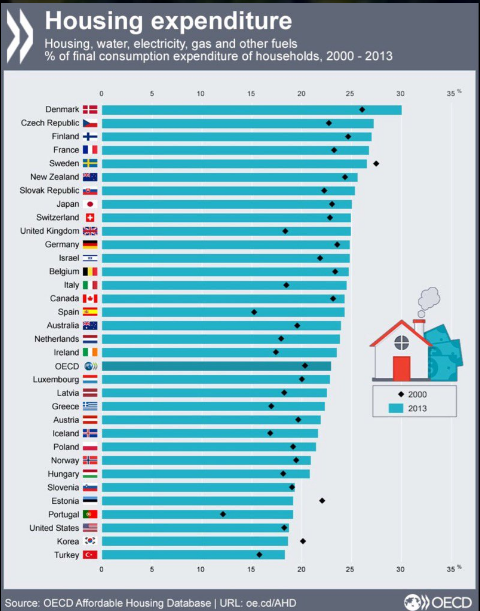
NZ pumps up numbers by equating serious housing deprivation with homelessness
17 Feb 2017 Leave a comment
in labour economics, politics - New Zealand, poverty and inequality, urban economics Tags: homelessness

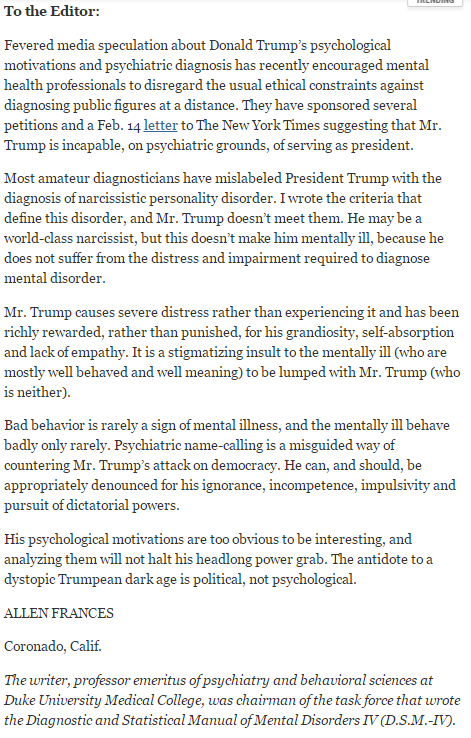
Trump is too happy, successful & badly behaved to be mentally ill narcissist
16 Feb 2017 Leave a comment
What demographic crisis in the USA?
13 Feb 2017 Leave a comment
in fiscal policy, macroeconomics, politics - USA, population economics Tags: ageing society, demographic crisis, retirement savings, social insurance
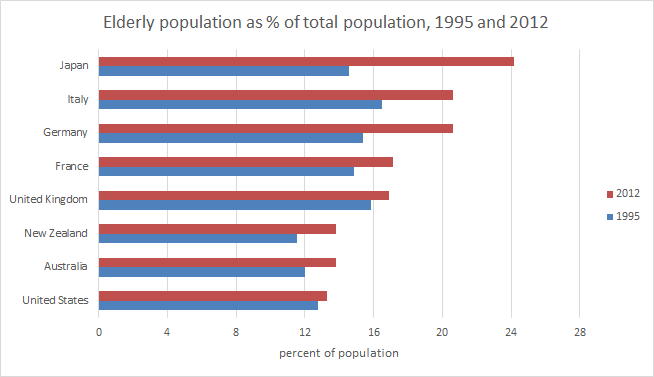
Source: OECD (2015), Regional Statistics (database), http://dx.doi.org/10.1787/region-data-en (accessed 10 September 2015).
The Rise of Populism and the Backlash Against the Elites, Jonathan Haidt
12 Feb 2017 2 Comments
in economics of information, economics of media and culture, politics - Australia, politics - New Zealand, politics - USA Tags: moral psychology, political psychology, right-wing populists
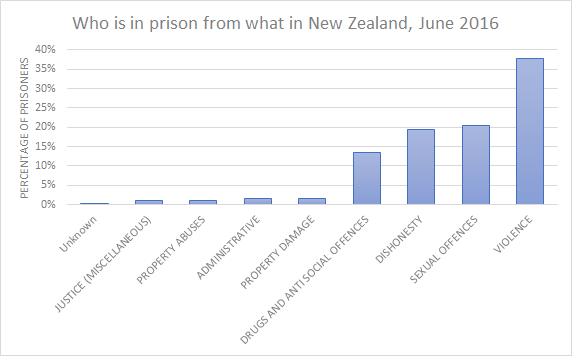
Who would be released if the Trots abolished prisons
11 Feb 2017 Leave a comment
in economics of crime, law and economics, politics - New Zealand Tags: crime and punishment, criminal deterrence


Recent Comments