Catching Scotland’s Bag Dealers | Short Stuff | BBC Scotland Comedy
30 Aug 2019 Leave a comment
in economics of regulation, environmental economics, politics - New Zealand Tags: black markets, offsetting behaviour, recycling
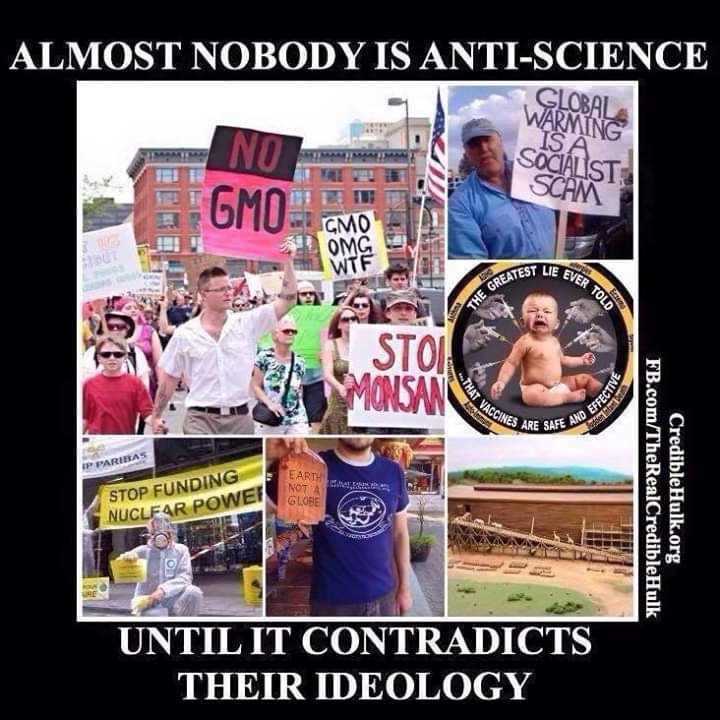
Note for the anti-science left
30 Aug 2019 Leave a comment
in comparative institutional analysis, economics of information, economics of regulation, environmental economics, health economics, politics - Australia, politics - New Zealand, politics - USA Tags: Anti-Science left
Jordan Peterson on why pronouns aren’t about respect and identities are socially negotiated
29 Aug 2019 Leave a comment
in gender, law and economics, politics - Australia, politics - New Zealand, politics - USA Tags: political correctness, regressive left
Pay transparency strengthens the bargaining hands of employers @NZHumanRights
28 Aug 2019 Leave a comment
in applied price theory, discrimination, gender, job search and matching, labour economics, labour supply, managerial economics, personnel economics, politics - New Zealand
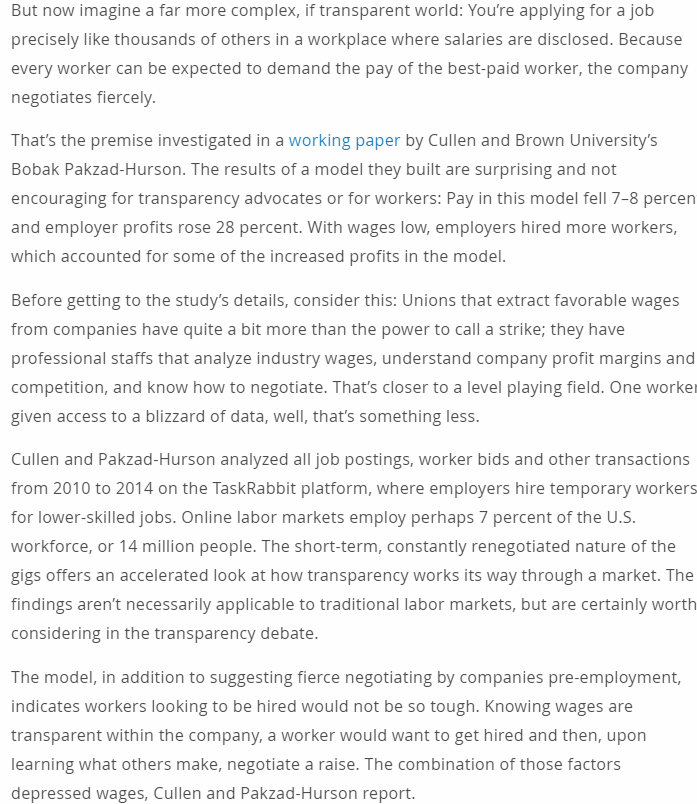
Pro-lifers are lifting their lobbying game; zeroing in on processes that trouble wavering MPs and voters
28 Aug 2019 2 Comments
in law and economics, politics - New Zealand Tags: abortion law reform
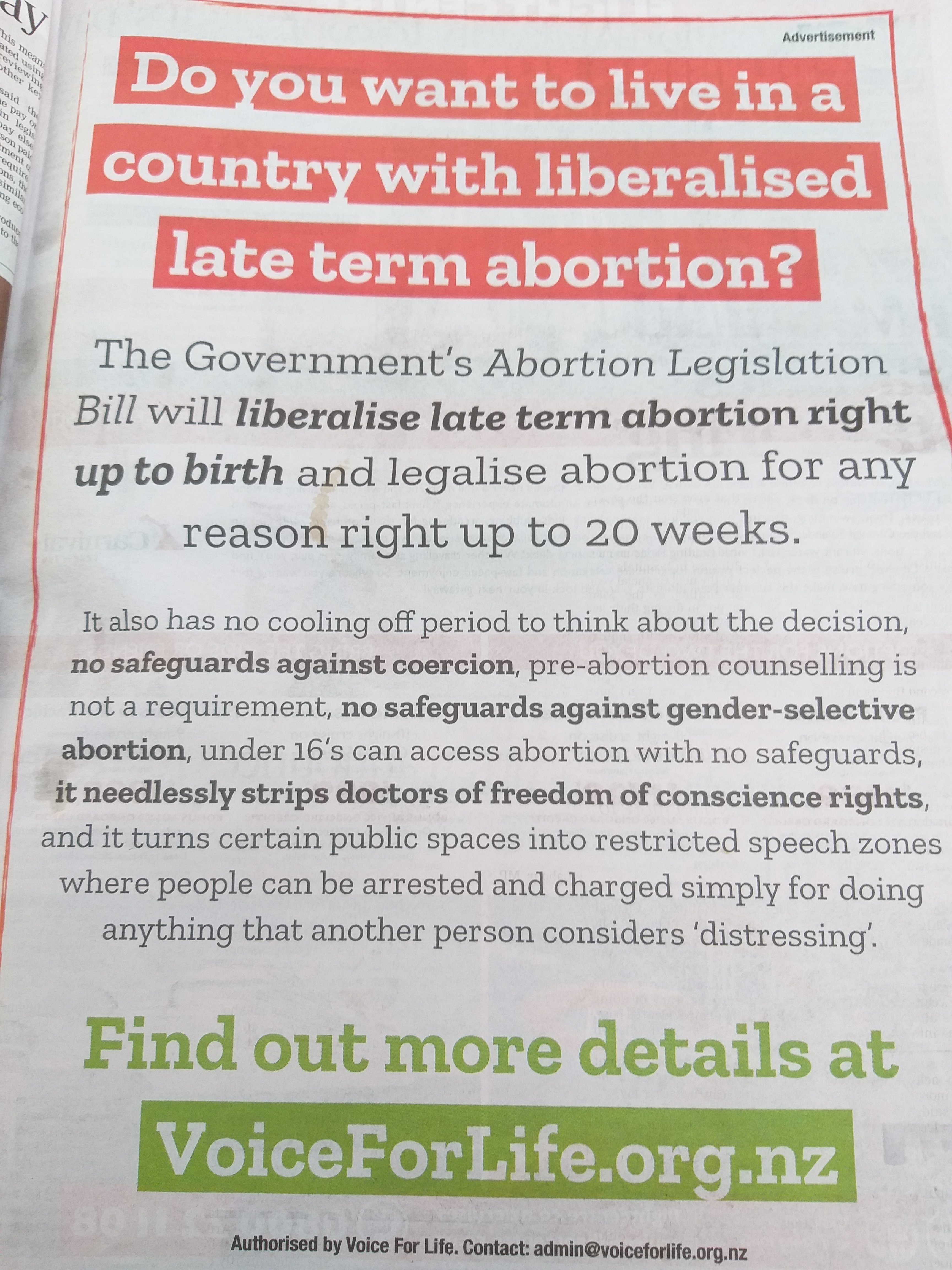
Big differences in reoffending if: gang member, over 40, Maori v. Pasifika, violent or burglar @sst_nz
28 Aug 2019 Leave a comment
in economics of crime, law and economics, politics - New Zealand

Source: Annual report of the Department of Corrections
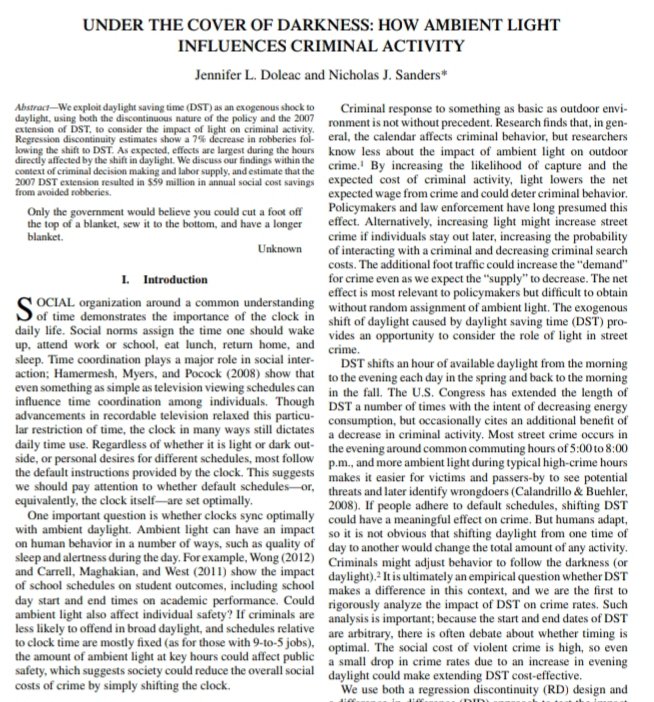
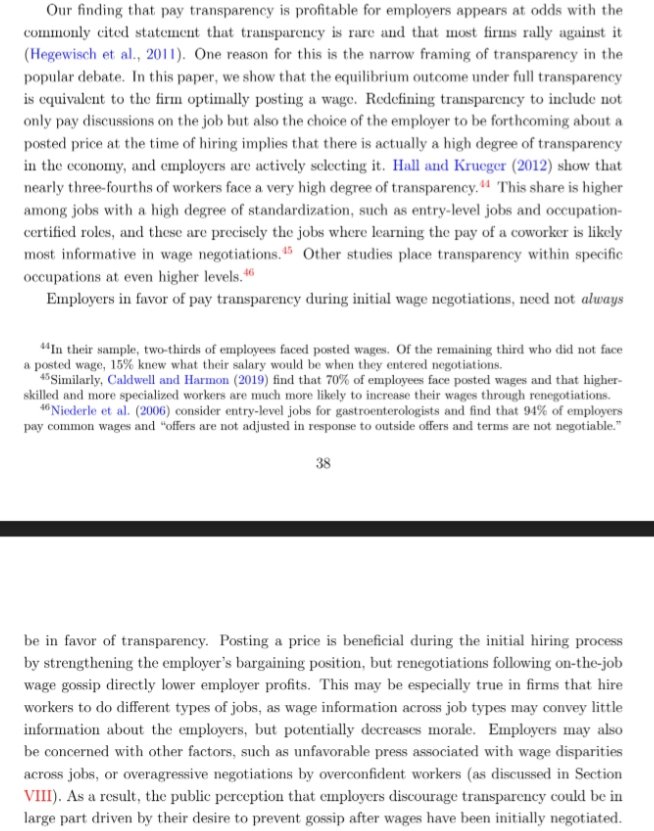
#OIA to @NZHumanRights: any research on the extent of pay transparency and pay secrecy
27 Aug 2019 Leave a comment
in applied price theory, economics of information, economics of regulation, labour economics, labour supply, occupational choice, politics - New Zealand Tags: gender wage gap, The fatal conceit
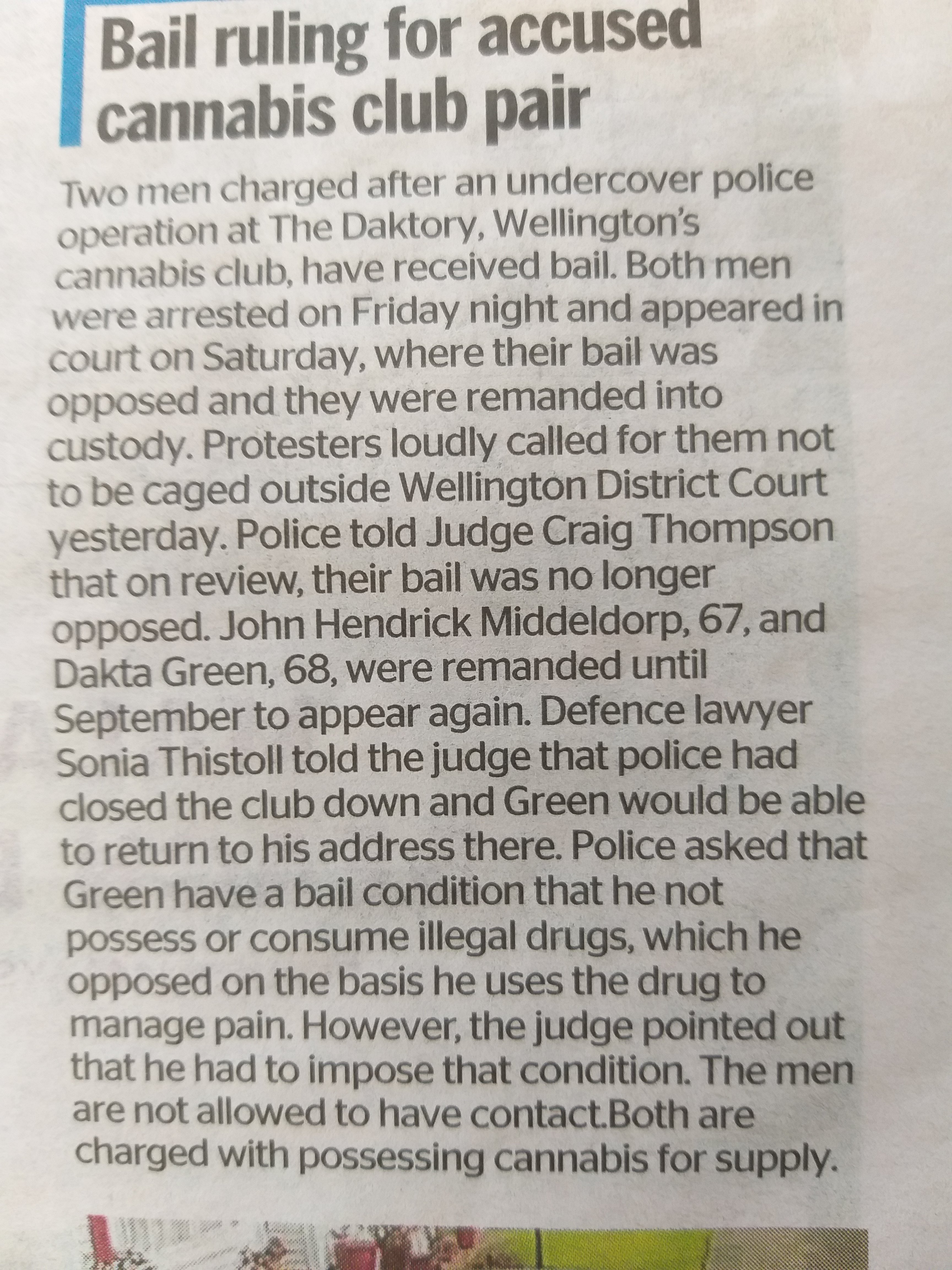
A pointless prosecution
27 Aug 2019 Leave a comment
in economics of crime, law and economics, politics - New Zealand Tags: marijuana decrimilization
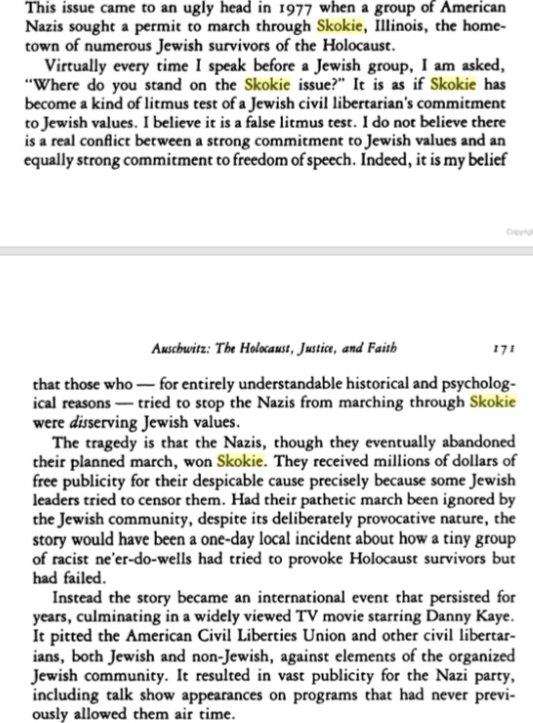
Why gains most from stronger hate speech laws? @NZHumanRights
27 Aug 2019 Leave a comment
in law and economics, politics - New Zealand, politics - USA Tags: free speech, political correctness, regressive left, The fatal conceit, unintended consequences
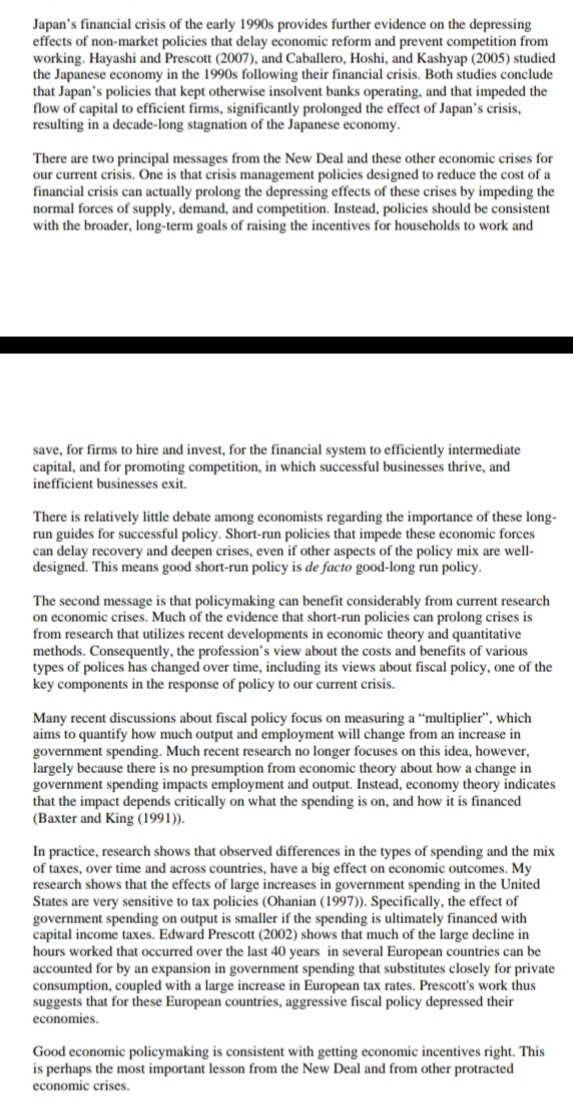
Lee Ohanian on crisis management
26 Aug 2019 Leave a comment
in budget deficits, business cycles, comparative institutional analysis, economic growth, economic history, economics of bureaucracy, economics of regulation, Euro crisis, fiscal policy, global financial crisis (GFC), great depression, great recession, industrial organisation, labour economics, labour supply, macroeconomics, monetary economics, politics - Australia, politics - New Zealand, politics - USA, Public Choice
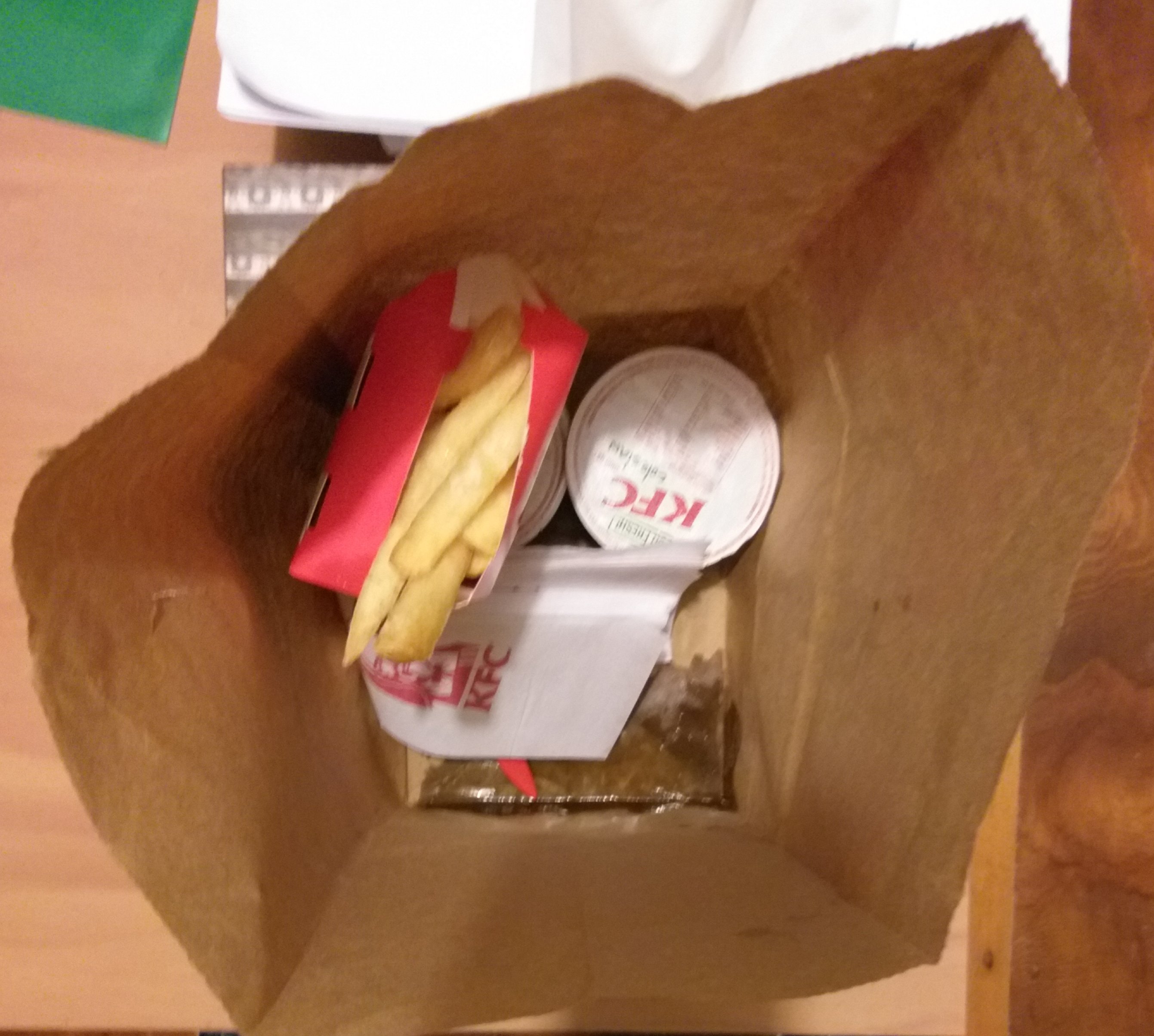
Virtue signaling @kfcnz’s paper bag is too small, leaks, no handle. Drinks spill in car #plasticbagfascism @eugeniesage
24 Aug 2019 Leave a comment
in environmental economics, politics - New Zealand Tags: recycling



Recent Comments