The Royal Commission has released their second and final report. Some key aspects: Simeon Brown points out: The post Covid-19 Royal Commission report released first appeared on Kiwiblog.
Covid-19 Royal Commission report released
Covid-19 Royal Commission report released
10 Mar 2026 Leave a comment
in Alfred Marshall, comparative institutional analysis, economics of bureaucracy, economics of natural disasters, economics of regulation, health economics, politics - New Zealand, Public Choice Tags: economics of pandemics
The youth gender gap is because young women have moved left
06 Mar 2026 Leave a comment
in politics - New Zealand, politics - USA, Public Choice Tags: regressive left, voter demographics
The tweet above includes this graph: The original tweet has lots of reasoning as to why this is. TLDR is social media. The post The youth gender gap is because young women have moved left first appeared on Kiwiblog.
The youth gender gap is because young women have moved left
So much for being a refugee
01 Mar 2026 Leave a comment
in economics of crime, Economics of international refugee law, law and economics, politics - New Zealand
The Herald reports: New Zealand citizen and Algerian political activist Ahmed Zaoui has been released from prison after more than two years behind bars. Zaoui was arrested at gunpoint in the city of Medea in 2023 for holding a political meeting at his home and commenting on the “political and human rights situation” in the country. He…
So much for being a refugee
The Treaty – Drowning in a sea of misinformation in 2026
01 Mar 2026 Leave a comment
in constitutional political economy, economic history, law and economics, politics - New Zealand, property rights Tags: political correctness, constitutional law, racial discrimination, regressive left
I write this as a descendant of Henry Williams, who arrived here in 1823 as an ex Royal Navy officer and Head of the Church Missionary Society of New Zealand. He translated the Treaty of Waitangi into te reo Maori in 1840. The document he prepared with his eldest son Edward, on the evening of […]
The Treaty – Drowning in a sea of misinformation in 2026
LINDSAY MITCHELL: HOW THE SALLIES HAVE EVOLVED TO BECOME PART OF THE PROBLEM
28 Feb 2026 Leave a comment
in discrimination, economics of crime, economics of education, labour economics, law and economics, politics - New Zealand, welfare reform Tags: Maori economic development, racial discrimination
The 2026 Salvation Army State of the Nation Report revealed their official conversion to wokeism by repeatedly finding excuses for Maori over-representation in poor social stats because of victimisation through colonisation. This caused a number of readers to ponder future contributions to the organisation. But it isn’t just this development that should concern donors. The…
LINDSAY MITCHELL: HOW THE SALLIES HAVE EVOLVED TO BECOME PART OF THE PROBLEM
Woke Wellington strikes again
25 Feb 2026 Leave a comment
in defence economics, economics of education, economics of religion, politics - New Zealand
The Herald reports: A bicultural overhaul of Army doctrine that features Māori cosmology at its core has led to a Government revolt, with the NZ Defence Force putting on hold part of the controversial programme. The NZ Army’s new “general orders” to soldiers uses a pantheon of te ao Māori gods as guiding influences for…
Woke Wellington strikes again
New Zealand First’s Economics
23 Feb 2026 Leave a comment
in applied price theory, politics - New Zealand
Shane Jones is committed to state-led economic development. New Zealand First and ACT sit further apart on the economics spectrum than do Labour and National. On other parts of the policy spectrum the two are more aligned, but this column’s focus is primarily on economics and, particularly, the economics of NZF. I leave Christopher Luxon’s […]
New Zealand First’s Economics
Sewage, scrutiny, and the politics of accountability
21 Feb 2026 Leave a comment
in economics of bureaucracy, environmental economics, environmentalism, politics - New Zealand, Public Choice, urban economics Tags: water pollution
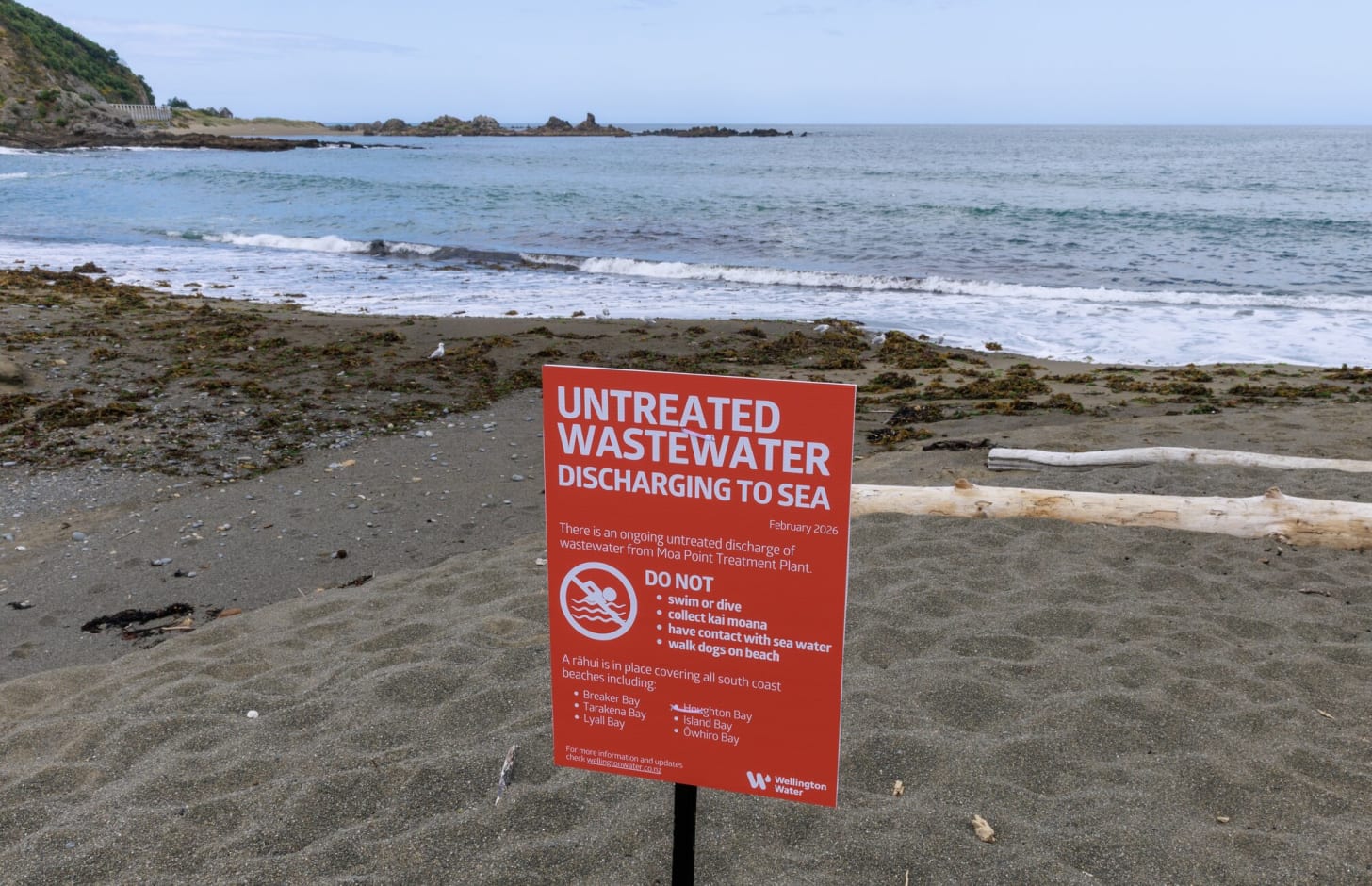
Is it racist to be angry at elected representatives? Moa Point as a case study… When a city pumps tens of millions of litres of raw sewage into the sea day after day, the public is entitled to anger. There is human waste in the sea and on the shore, beaches are closed in peak […]
Sewage, scrutiny, and the politics of accountability
Damned if they do, damned if they don’t: The billion-dollar bill for Labour’s gas ban
20 Feb 2026 Leave a comment
in applied price theory, economics of bureaucracy, economics of climate change, economics of regulation, energy economics, environmental economics, environmentalism, global warming, politics - New Zealand, Public Choice
Few policies manage to unite the left, the right and the Taxpayers’ Union in opposition. The Government’s billion-dollar LNG import terminal in Taranaki managed it inside 24 hours. By Tuesday morning, it had been attacked from the left as a gas tax, from the right as a new levy on households, and from the commentariat […]
Damned if they do, damned if they don’t: The billion-dollar bill for Labour’s gas ban
Greens announce their new crime policy is to pretend there is none!
20 Feb 2026 Leave a comment
in economics of crime, law and economics, politics - New Zealand
An amazing interview at The Spinoff: Swarbrick said she had regularly told Beck that contributing to a media narrative of the city centre being all “chaos and crime and knives and guns” resulted in less foot traffic, less vibrancy and less safety. “I have personally contacted Viv and spoken to her at a number of meetings…
Greens announce their new crime policy is to pretend there is none!
Is it a party or a family?
15 Feb 2026 Leave a comment
The Herald has documents in relation to the court case between Te Pati Maori and Mariameno Kapa-Kingi. What is fascinating is how they reveal the extent of the Tamihere family control of the party. It goes well beyond what we already knew. Here is what has been revealed: So a majority of the officers and…
Is it a party or a family?
Polls are snapshots, not predictions: how to read them critically this election year
12 Feb 2026 1 Comment
in econometerics, economics of education, economics of information, politics - New Zealand
With nine months to go, how much can opinion polls tell us about the general election on November 7? Short answer: not much. Based solely on polls, no one could have predicted the past three elections this early in the year they were held. Trends shifted over the subsequent months, and events (especially COVID in 2020) […]
Polls are snapshots, not predictions: how to read them critically this election year
The anatomy of usurpation: Climate Clinic Aotearoa v Minister of Energy and Resources
10 Feb 2026 Leave a comment
in economics of bureaucracy, economics of climate change, economics of regulation, energy economics, environmental economics, environmentalism, global warming, law and economics, politics - New Zealand, property rights, Public Choice Tags: constitutional law
Imagine Parliament passes a Schools Act “to promote the establishment of schools for the benefit of New Zealand.” Parliament is careful. It specifies exactly what the Minister must consider before approving a new school: the operator’s financial capability, site safety, compliance history, and consultation with local iwi. There is no general discretion. There are no […]
The anatomy of usurpation: Climate Clinic Aotearoa v Minister of Energy and Resources
Maybe give Whales the vote also?
08 Feb 2026 Leave a comment
in politics - New Zealand Tags: animal rights, constitutional law
Radio NZ reports: A Green MP wants tohorā/whales to be recognised as legal persons. In New Zealand, laws have been passed to grant legal personhood to natural features, allowing them to be represented in court and have rights similar to those of individuals. Teanau Tuiono has lodged a member’s bill, the Tohorā Oranga Bill, which would…
Maybe give Whales the vote also?
Double murderer has been freed on parole – but would he have been jailed if the Maori Party had been running things 20 years ago?
07 Feb 2026 Leave a comment
in politics - New Zealand, law and economics, economics of crime Tags: crime and punishment, law and order, criminal deterrence
The New Zealand public learned today that Tauranga double murderer Anthony Doyle has been released on parole after serving 20 years. It turns out he was freed before the New Year. Doyle blasted a couple to death with a shotgun under a bridge near Tauranga in 2005 after a dispute over a drug debt. He […]
Double murderer has been freed on parole – but would he have been jailed if the Maori Party had been running things 20 years ago?
 Utopia, you are standing in it!
Recent Comments