
#DefundThePolice purity test @AOC
25 Jun 2020 Leave a comment
in economics of crime, law and economics, politics - USA Tags: 2020 presidential election, crime and punishment, criminal deterrence, law and order, political correctness, regressive left
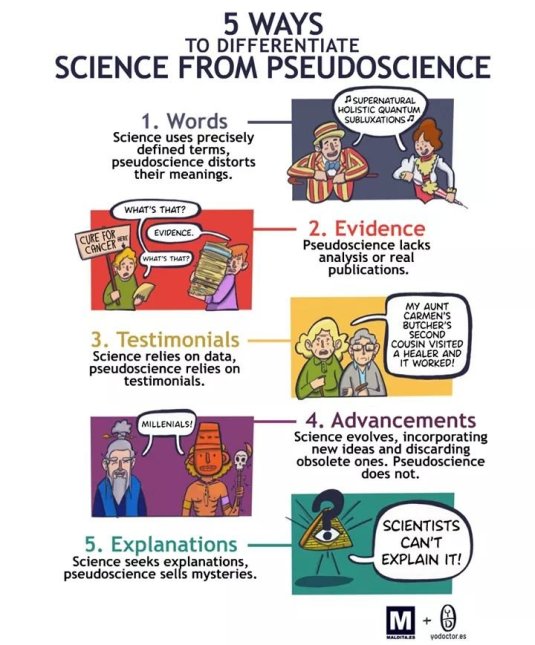
Anti-science @AOC @BernieSanders @SenWarren @Greens @NZGreens @oxfam @Greenpeace
24 Jun 2020 Leave a comment
in economics of education, environmental economics, environmentalism, politics - Australia, politics - New Zealand, politics - USA Tags: Anti-Science left

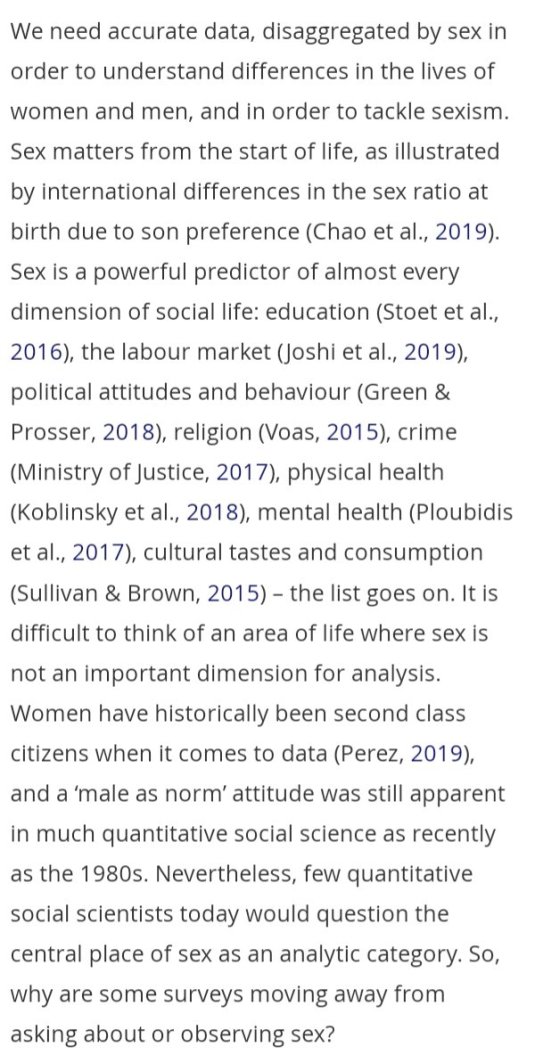
Why surveys should not conflate sex and gender identity
22 Jun 2020 Leave a comment
in discrimination, economics of bureaucracy, economics of crime, economics of information, gender, health and safety, health economics, human capital, labour economics, labour supply, law and economics, politics - Australia, politics - New Zealand, politics - USA, poverty and inequality, Public Choice Tags: political correctness, regressive left, sex discrimination
Jordan Peterson: Why is Marxism so Attractive?
22 Jun 2020 Leave a comment
in development economics, economic history, economics of bureaucracy, economics of crime, economics of education, history of economic thought, income redistribution, labour economics, law and economics, Marxist economics, politics - Australia, politics - New Zealand, politics - USA, poverty and inequality, property rights, Public Choice, rentseeking Tags: political correctness, regressive left
But @AOC @BernieSanders @SenWarren supporters favour open borders
21 Jun 2020 Leave a comment
in economics of crime, international economics, law and economics, politics - USA Tags: 2020 presidential election, regressive left

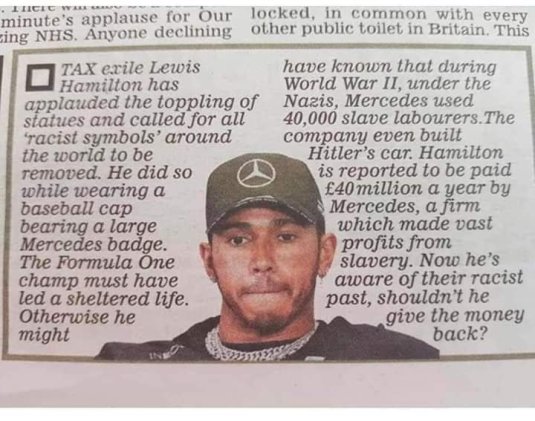
Virtue signaling
21 Jun 2020 Leave a comment
in defence economics, economics of crime, law and economics, laws of war, politics - USA, war and peace Tags: Nazi Germany, political correctness, regressive left, virtue signaling, World War II
How Smartphone Cameras Told the Story of Police Brutality | @WSJ
20 Jun 2020 1 Comment
in economics of crime, law and economics, politics - USA
Must offend the woke for having a female action hero
20 Jun 2020 Leave a comment
in discrimination, gender, movies, politics - Australia, politics - New Zealand, politics - USA Tags: free speech, political correctness, regressive left

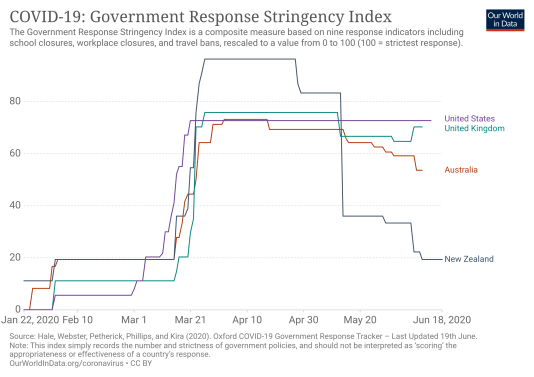
Did NZ go fast and early on #COVID19?
20 Jun 2020 Leave a comment
in economic growth, economics of bureaucracy, economics of regulation, health economics, macroeconomics, politics - Australia, politics - New Zealand, politics - USA, Public Choice Tags: economics of pandemics
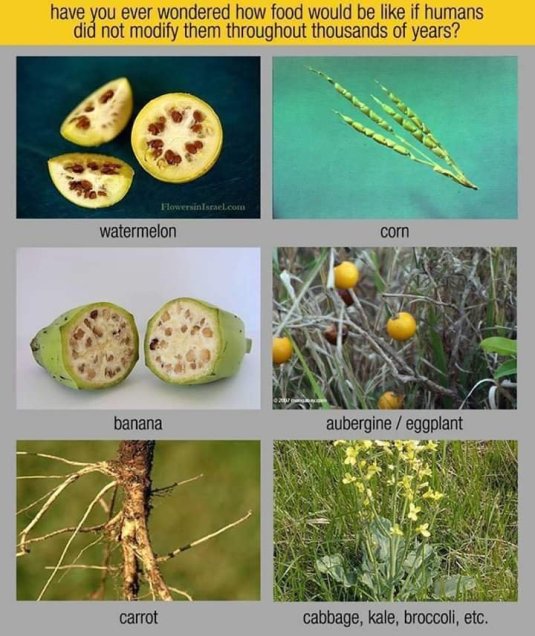
Behind on my #GMO blogging @Greenpeace @Greens @NZGreens @oxfam
20 Jun 2020 Leave a comment
in economics of bureaucracy, economics of information, economics of regulation, environmental economics, health economics, politics - Australia, politics - New Zealand, politics - USA, Public Choice, rentseeking Tags: anti-GMO movement, Anti-Science left, cranks, regressive left
Inclusion excludes women
19 Jun 2020 Leave a comment
in discrimination, gender, law and economics, politics - Australia, politics - New Zealand, politics - USA Tags: political correctness, regressive left, sex discrimination

Cost-Effective Approaches to Save the Environment, with Bjorn Lomborg
19 Jun 2020 Leave a comment
in applied welfare economics, development economics, energy economics, environmental economics, global warming, income redistribution, politics - Australia, politics - New Zealand, politics - USA, Public Choice, public economics, rentseeking Tags: climate alarmists


Recent Comments