Calls for a ceasefire in the ongoing conflict between Israel and Hamas may stem from humanitarian concerns, but history and strategic reasoning suggest that the fastest and most enduring path to peace is through decisive victory. Drawing parallels with World War II, it becomes clear why a ceasefire at this juncture could prolong suffering rather […]
Arguments against ceasefires
Arguments against ceasefires
27 Mar 2025 Leave a comment
in defence economics, laws of war, war and peace Tags: game theory, Gaza Strip, Israel, Middle-East politics, regressive left, war against terror
The True Story of the Great Escape
25 Mar 2025 1 Comment
in defence economics, economics of crime, law and economics, laws of war, war and peace Tags: Nazi Germany, World War II

During World War II, one of the most daring and ambitious prisoner-of-war (POW) escapes in history took place in the German POW camp Stalag Luft III. Known as “The Great Escape,” this remarkable event was executed by Allied airmen who demonstrated extraordinary resilience, ingenuity, and bravery in their pursuit of freedom. While the escape itself […]
The True Story of the Great Escape
Should asylum be restricted to neighbouring countries
24 Mar 2025 1 Comment
in defence economics, development economics, economic history, labour economics, labour supply, laws of war, war and peace Tags: economics of immigration

100,000 asylum seekers a year is massive, especially when you consider the many countries one has to pass through to get to the UK. The right of asylum is an ancient right to flee a government or ruler that persecutes you. It goes back thousands of years. In the modern era the UDHR says: Everyone […]
Should asylum be restricted to neighbouring countries
All is Fair in Love & War: Sex during World War I
23 Mar 2025 Leave a comment
in defence economics, economics of crime, International law, law and economics, laws of war, war and peace Tags: World War I
The Trans-Saharan Railway: A Forgotten Chapter of Vichy Oppression
20 Mar 2025 Leave a comment
in defence economics, economics of crime, International law, law and economics, laws of war, war and peace Tags: France, Nazi Germany, The Holocaust, World War II

The phrase “From hero to zero” is perhaps the most fitting way to describe the trajectory of Philippe Pétain’s legacy. Once hailed as a national savior and military genius, his descent into infamy was marked by his collaboration with Nazi Germany and his betrayal of France’s republican values. Pétain: From World War I Hero to […]
The Trans-Saharan Railway: A Forgotten Chapter of Vichy Oppression
Four dead hostages, including the Bibas family, handed over to Israel by Hamas
21 Feb 2025 1 Comment
in defence economics, economics of crime, International law, law and economics, laws of war, liberalism, Marxist economics, war and peace Tags: Gaza Strip, Israel, Middle-East politics, regressive left, war against terror

The inevitable happened this morning: Hamas turned over four dead bodies of Israeli hostages, encased in black boxes. And, contrary to my expectations, there was a ceremony, with posters blaming the deaths on Netanyahu and the Red Cross there signing documents. The bodies included the Bibas family (Shiri Bibas and her two children. four-year-old Ariel […]
Four dead hostages, including the Bibas family, handed over to Israel by Hamas
Simon Wiesenthal’s interview for Penthouse Magazine
09 Feb 2025 Leave a comment
in defence economics, economics of crime, law and economics, laws of war, war and peace Tags: Nazi Germany, The Holocaust, World War II

Earlier this week, I wrote a blog post featuring quotes from Holocaust survivors. Among them, I came across a powerful statement by Simon Wiesenthal: “For your benefit, learn from our tragedy. It is not a written law that the next victims must be Jews. It can also be other people. We saw it begin in […]
Simon Wiesenthal’s interview for Penthouse Magazine
Minto’s Monsters
31 Jan 2025 Leave a comment
in defence economics, economics of crime, International law, law and economics, laws of war, liberalism, Marxist economics, politics - New Zealand, war and peace Tags: free speech, Gaza Strip, Middle-East politics, political correctness, regressive left, war against terror

After the resistance fighters broke out from Gaza there was a “second wave” of people who came through the fence and it appears this group were responsible for most of the war crimes committed on that day rather than fighters from the highly-disciplined resistance groups – John Minto, TDB, October 6, 2024 Does the guy in […]
Minto’s Monsters
Was Germany Really Starved Into Surrender in WW1? (Documentary)
20 Jan 2025 Leave a comment
in defence economics, international economics, International law, laws of war, resource economics, transport economics, war and peace Tags: Germany, World War I
The Evacuation of Auschwitz and the Death March
16 Jan 2025 Leave a comment
in defence economics, economics of crime, International law, law and economics, laws of war, war and peace Tags: Nazi Germany, The Holocaust, World War II

From January 1945, in the final months of the Third Reich, approximately 250,000 concentration camp inmates perished during death marches and in numerous acts of mass slaughter. These prisoners were mercilessly murdered by SS guards, army and police units, and, in many cases, by civilian mobs as they passed through towns and villages in Germany,Austria […]
The Evacuation of Auschwitz and the Death March
Woodrow Wilson’s Fourteen Points I THE GREAT WAR WEEK 181
12 Jan 2025 Leave a comment
in defence economics, International law, laws of war, politics - USA, war and peace Tags: World War I
The British Free Corps: A Historical Analysis of Propaganda, Treason, and Coercion
22 Dec 2024 Leave a comment
in defence economics, economics of crime, law and economics, laws of war, war and peace Tags: World War II
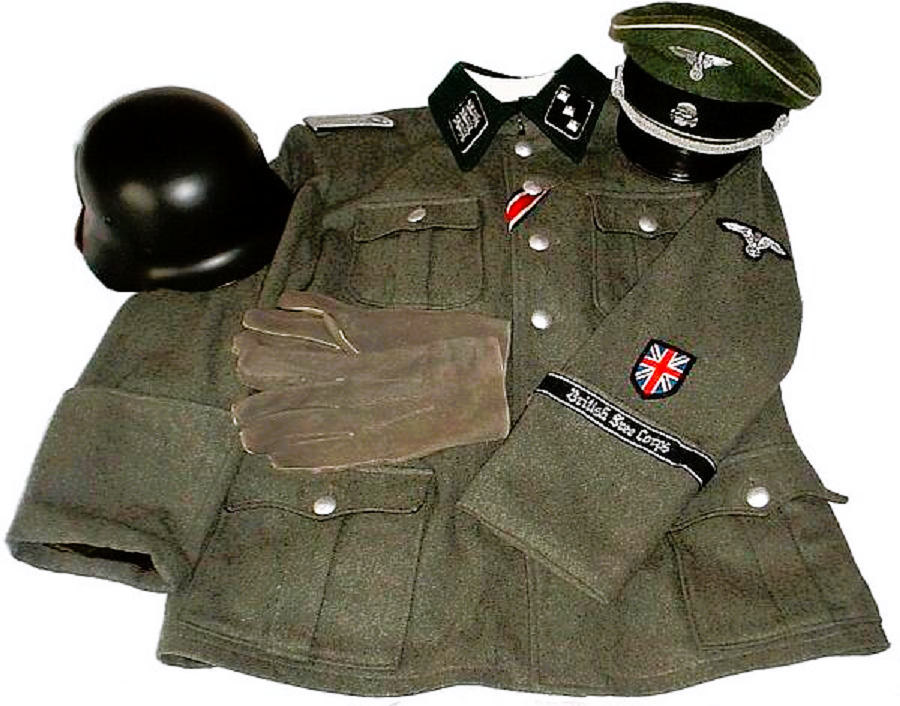
The British Free Corps (BFC) stands as one of the more peculiar episodes of World War II, symbolizing Nazi Germany’s propaganda-driven attempts to exploit discontent and division among Allied prisoners of war (POWs). Though numerically insignificant and operationally negligible, the BFC has drawn historical interest as a study in the intersection of ideology, coercion, and […]
The British Free Corps: A Historical Analysis of Propaganda, Treason, and Coercion
Blood in the snow-The Malmedy massacre
19 Dec 2024 Leave a comment
in defence economics, economics of crime, law and economics, laws of war, war and peace Tags: World War II

The Malmedy Massacre: A Tragedy of War and the Story of Survival The Malmedy Massacre, which occurred during the Battle of the Bulge on December 17, 1944, stands as one of the most heinous war crimes committed by German forces during World War II. This event, marked by the ruthless execution of unarmed American prisoners […]
Blood in the snow-The Malmedy massacre
Proportionality in war
16 Dec 2024 Leave a comment
in defence economics, economics of crime, International law, law and economics, laws of war, war and peace
The principle of proportionality in war, which suggests that the use of force should be commensurate with the objectives sought and the harm avoided, is rooted in humanitarian concerns. However, in the brutal realities of war, this concept is often impractical and can even prolong conflict, resulting in greater suffering. History and military strategy suggest […]
Proportionality in war
The Timeline of Crimes Committed by Bashar al-Assad
09 Dec 2024 Leave a comment
in defence economics, development economics, economic history, economics of crime, growth disasters, International law, law and economics, laws of war, war and peace Tags: Middle-East politics, Syria, war against terror
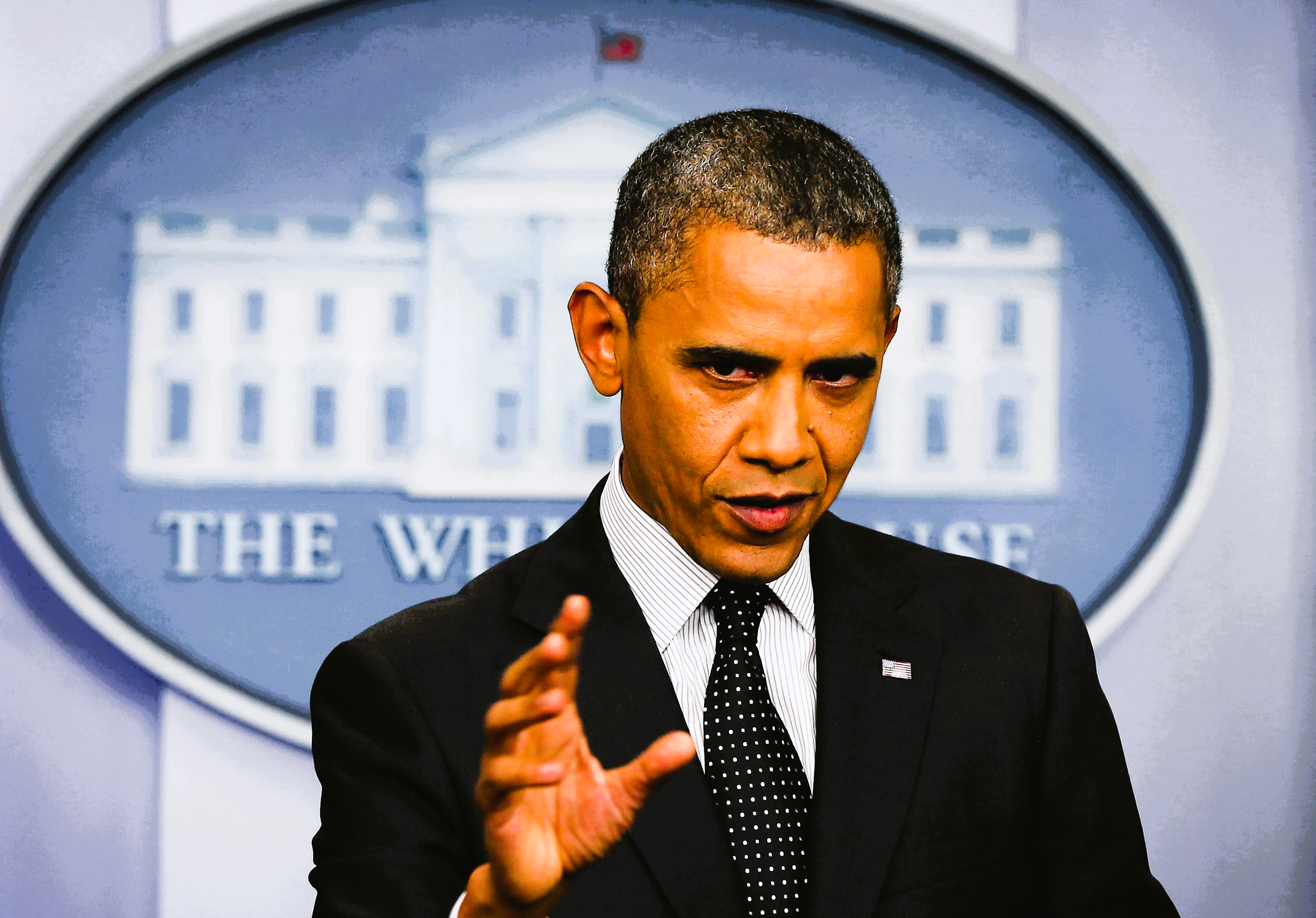
Bashar al-Assad has been the President of Syria since 2000, inheriting power from his father, Hafez al-Assad. His presidency has been marked by widespread human rights abuses, war crimes, and violations of international law, particularly during the Syrian Civil War that began in 2011. As the leader of the Syrian government, Assad’s policies and military […]
The Timeline of Crimes Committed by Bashar al-Assad
 Utopia, you are standing in it!
Recent Comments