
The New York Times Magazine has a very long article on Robin DiAngelo, her white fragility hypothesis (and her best-selling book about it), and her methods of training people in government, colleges, and businesses to be anti-racist and promote diversity in the workplace. As the article notes, she’s made a ton of money off her hypothesis, but I don’t begrudge her that. After all, the Kardashians, who are completely useless, make much more. Rather, I’ll focus on the efficacy of her methods and whether her very message is consistent. If you read this site yesterday, you’ll have seen a post about John McWhorter’s take on DiAngelo’s book White Fragility: Why It’s So Hard for White People to Talk about Racism, a take that was not only highly critical, but accused her methods of fostering a bigotry of low expectations towards African-Americans.
The NYT piece, which is pretty positive, raises…
View original post 2,380 more words





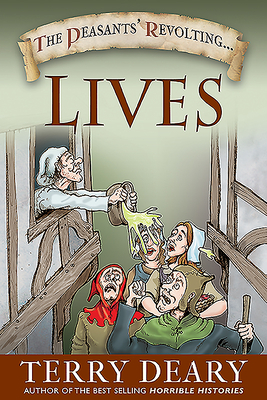 When we study history, we tend to focus on the lives of the elite and the royalty because their lives are well documented. However, there was a large majority of the population who tends to be forgotten in the annals of the past. They are the lower classes who were the backbone of society for centuries, the people who we would call peasants. Now, if we know so much about the higher echelons of society, we must ask ourselves what was life like for those who had almost nothing in life. How did they work? When they did speak out about injustices through revolutions, how were they received? How did they worship? How were they educated? How did they relax after long days of back-breaking labor? Where did they live? These questions and more are answered in Terry Deary’s latest book, “The Peasants’ Revolting Lives”.






Recent Comments