
Murderous Adventures – Occupation of Poland – WW2 – 009 – October 27, 1939
23 Jun 2020 Leave a comment
in defence economics, economics of crime, law and economics, laws of war, war and peace Tags: World War II
It will take just one super-spreader at an airport and #COVID19 is back
23 Jun 2020 Leave a comment
in health economics, politics - New Zealand, transport economics Tags: economics of pandemics, The fatal conceit


Hayek and Pandemic Response with Professor Mark Pennington
23 Jun 2020 Leave a comment
in applied price theory, applied welfare economics, Austrian economics, comparative institutional analysis, constitutional political economy, economic history, economics of bureaucracy, economics of information, economics of regulation, F.A. Hayek, health economics, history of economic thought, income redistribution, industrial organisation, international economics, labour economics, law and economics, personnel economics, rentseeking, survivor principle Tags: economics of pandemics, offsetting behaviour, pessimism bias, political correctness, regressive left, The fatal conceit, unintended consequences
HT Cafe Hayek
Inside the brains of psychopaths | Big Think
23 Jun 2020 Leave a comment
in economics of crime, economics of education, law and economics Tags: cognitive psychology, crime and punishment, economics of mental illness, law and order
June 22, 1948. The title Emperor of India is dropped by King George VI of the United Kingdom.
22 Jun 2020 Leave a comment

Emperor or Empress of India, shortened to King-Emperor or Queen-Empress, was a title used by British monarchs from 1 May 1, 1876 (with the Royal Titles Act 1876) to June 22, 1948. The image of the Emperor or Empress was used to signify British authority—his or her profile, for instance, appearing on currency, in government buildings, railway stations, courts, on statues etc. “God Save the King” (or, alternatively, “God Save the Queen”) was the former national anthem of British India.
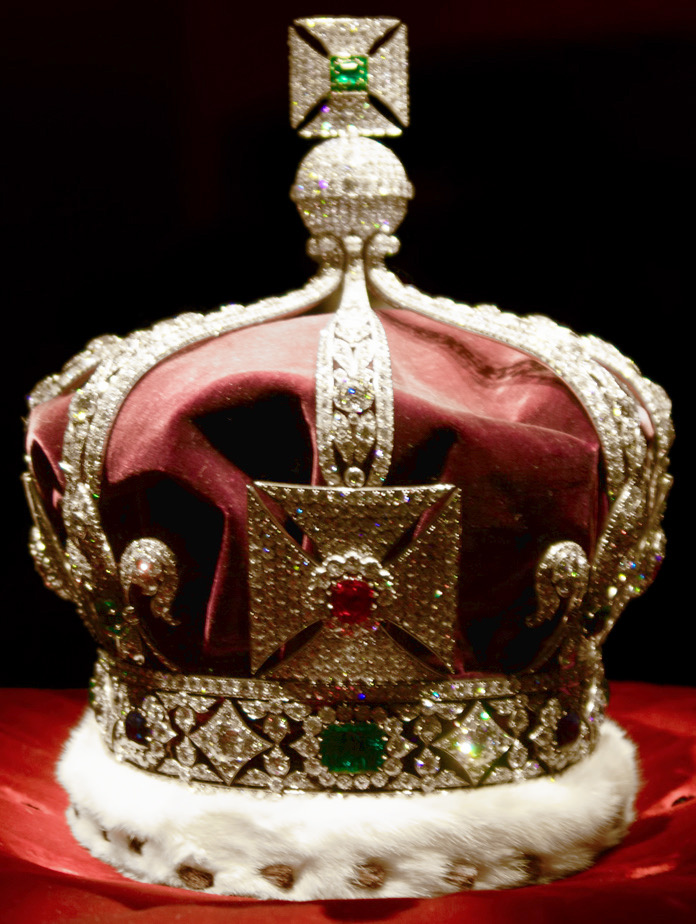
Imperial Crown of India
Oaths of allegiance were made to the Emperor or Empress and the lawful successors by the governors-general, princes, governors, commissioners in India in events such as imperial durbars.
The title was officially dropped on June 22, 1948, when, under the Indian Independence Act 1947, George VI became King of the new dominions of India and Pakistan. The monarchies of both nations were abolished upon the establishment…
View original post 869 more words
The Parliamentary Constituencies Bill: no fewer MPs but a very different constituency map
22 Jun 2020 Leave a comment

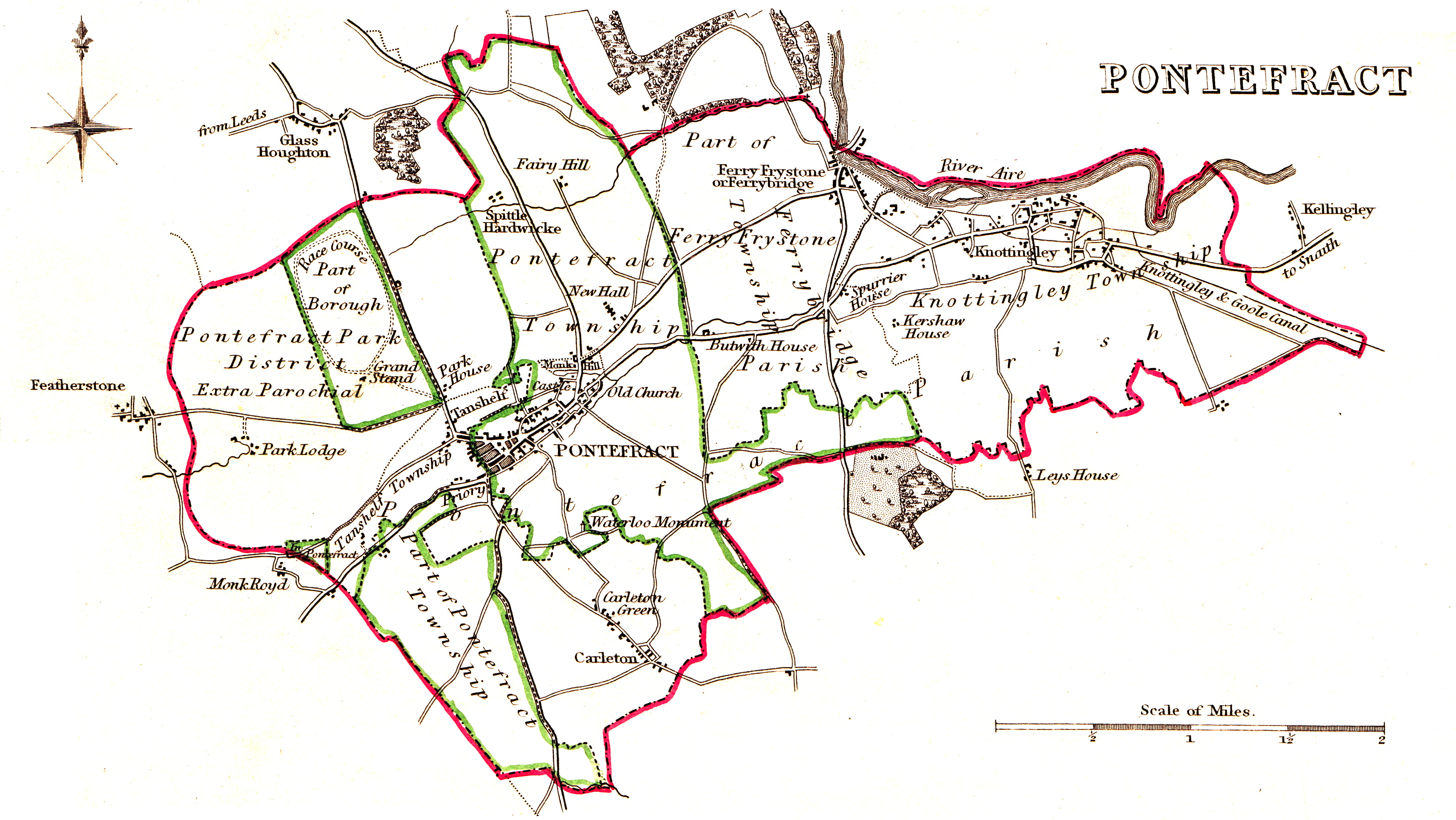 A new bill currently before parliament alters the rules governing the periodic redrawing of the UK’s parliamentary constituencies, most notably by replacing a requirement to limit the House of Commons to 600 MPs with a new fixed size, set at the current 650. But, as Ron Johnston, David Rossiter and Charles Pattie show, the new rules are just as likely as those they replace to result in major disruption to the constituency map at all future reviews.
In 2011, the coalition government passed the Parliamentary Voting System and Constituencies Act, which changed the rules guiding how the UK’s parliamentary constituencies are drawn up. Boundary reviews were to take place every five years (more frequently than before). Almost all new seats (with four exceptions) were to have electorates within +/-5% of the national quota (the average electorate). And the House of Commons was to be reduced in size from…
View original post 1,713 more words
Why surveys should not conflate sex and gender identity
22 Jun 2020 Leave a comment
in discrimination, economics of bureaucracy, economics of crime, economics of information, gender, health and safety, health economics, human capital, labour economics, labour supply, law and economics, politics - Australia, politics - New Zealand, politics - USA, poverty and inequality, Public Choice Tags: political correctness, regressive left, sex discrimination

Coleman Hughes | Implicit Bias
22 Jun 2020 Leave a comment
in discrimination, economics of education, economics of information, gender, labour economics Tags: implicit bias
Boeing B-17 Flying Fortress
22 Jun 2020 Leave a comment

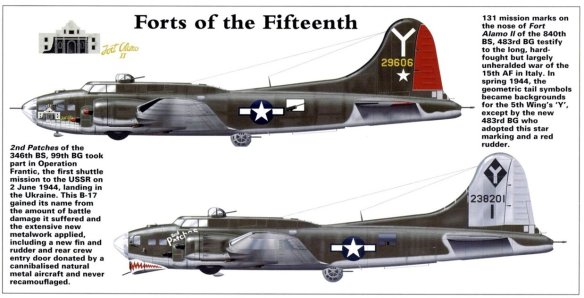
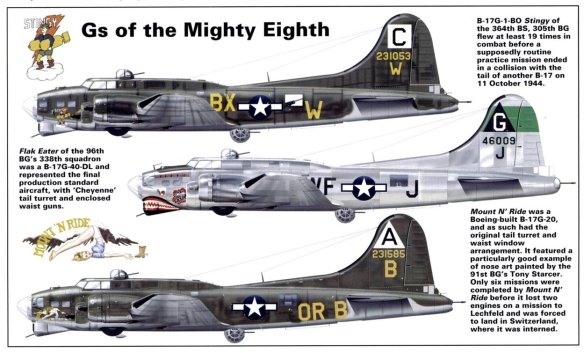




Although it is sometimes introduced as the most famous of all US World War II aircraft, there are many who will argue that Boeing’s B-17 Flying Fortress ranks equally with several other superb machines which became available to the US Army at just the right moment. The North American P-51 Mustang has its ardent advocates for pride of place in the USAAF’s wartime armoury, but it was a child of war, conceived to live, fight and endure in the battle-torn skies of Europe. The origin of the Fortress was very different, its gestation long and troubled.
In the first few years after World War I the US Army Air Corps’ Brigadier General William (‘Billy’) Mitchell began his campaign in favour of strategic bombing, demonstrating (perhaps inconclusively) the ascendancy of bomber over battleship in July 1921 and September 1923 by the destruction of captured or obsolete warships anchored at sea. His…
View original post 2,191 more words


Recent Comments