Sink the Bismarck! – The Pride of the Kriegsmarine’s Demise – WW2 – 092 – May 30 1941
31 May 2020 Leave a comment
in defence economics, war and peace Tags: World War II
I have a dream
31 May 2020 Leave a comment
in discrimination, economics of crime, law and economics, politics - Australia, politics - New Zealand, politics - USA, Public Choice

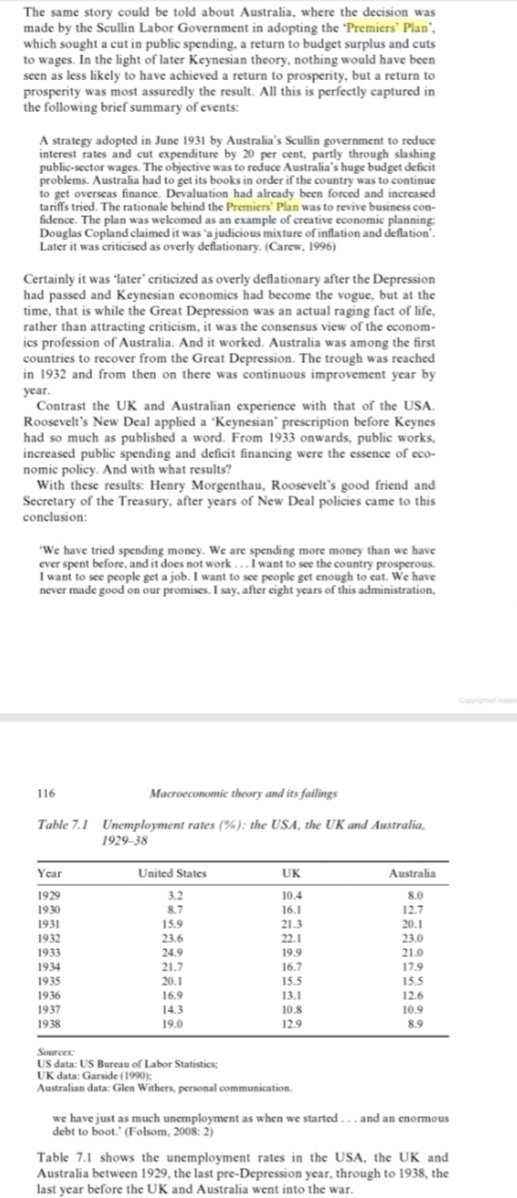
The Premiers’ Plan versus the New Deal. Do Keynesian macroeconomists ever study 1930s Australia
30 May 2020 Leave a comment
in budget deficits, business cycles, economic history, fiscal policy, great depression, history of economic thought, job search and matching, labour economics, labour supply, macroeconomics, Milton Friedman, monetarism, monetary economics, politics - Australia, politics - USA, public economics, unemployment Tags: Keynesian macroeconomics, new classical macroeconomics, New Keynesian macroeconomics

The Audit of War by Correlli Barnett (1986)
30 May 2020 Leave a comment

‘The time and energy and thought which we are all giving to the Brave New World is wildly disproportionate to what is being given to the Cruel New World.’ (British economist J.M. Keynes, quoted page 40)
The full title of this book is The Audit of War: The Illusion and Reality of Britain as a Great Nation, which very accurately states its aim and its Manichaean structure. It is not your average leisurely, rather reassuring history book but a fierce and forcefully argued polemic which, if you’re British, is intellectually and emotionally devastating.
The basic premise is this: When Barnett wrote the book, received opinion tended to think that Britain fell behind its industrial competitors (America, Germany and Japan) and prey to the so-called ‘British disease’ of abysmal industrial performance, in the decades after the end of the Second World War. During the war itself, the nation had pulled together…
View original post 4,132 more words
Is inflation always and everywhere a fiscal phenomenon – from John Cochrane’s draft book
30 May 2020 Leave a comment

Growing up in the crack cocaine epidemic led to parents encouraging ways of talking and acting by inner-city kids; pure survival skills known as street capital
30 May 2020 Leave a comment
in economics of crime, economics of education, human capital, labour economics, law and economics, politics - USA

From https://link.springer.com/article/10.1007%2Fs00181-016-1160-y and https://www.clevelandfed.org/newsroom-and-events/publications/working-papers/2014-working-papers/wp-1302r-human-capital-in-the-inner-city
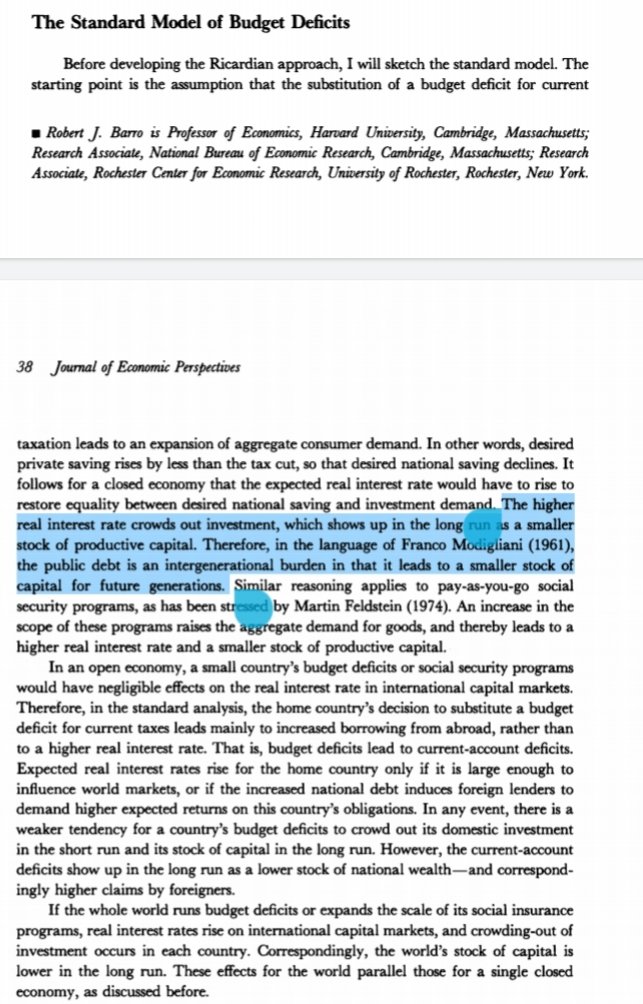
The Keynesian Approach to #COVID19 Budget Deficits
30 May 2020 Leave a comment
in budget deficits, economic growth, fiscal policy, history of economic thought, macroeconomics, politics - Australia, politics - New Zealand, politics - USA, public economics Tags: economics of pandemics, Keynesian macroeconomics
Did the same university suspend anti-war and BDS protesters?
30 May 2020 Leave a comment
in economics of education, politics - Australia Tags: China, regressive left

May 29, 1630: Birth and Restoration of King Charles II of England, Scotland and Ireland.
30 May 2020 Leave a comment
During the exclusion crisis Charles sided with the Tories, and, following the discovery of the Rye House Plot to murder Charles and James in 1683, some Whig leaders were executed or forced into exile. Charles dissolved the English Parliament in 1681, and for the remainder of his reign, Charles ruled without Parliament.

Charles II (May 29, 1630 – February 6, 1685) was king of England, Scotland, and Ireland. He was king of Scotland from 1649 until his deposition in 1651, and king of England, Scotland and Ireland from the 1660 Restoration of the monarchy until his death in 1685.

Charles II was the eldest surviving child of Charles I of England, Scotland and Ireland and Henrietta-Maria de Bourbon of France, daughter of King Henri IV of France and Navarre and his second wife, Marie de Medici. After Charles I’s execution at Whitehall on January 30, 1649, at the climax of the English Civil War, the Parliament of Scotland proclaimed Charles II king of Scotland on February 5, 1649.
However, England entered the period known as the English Interregnum or the English Commonwealth, and the country was a de facto republic led by Oliver Cromwell. Cromwell defeated Charles II at the Battle of Worcester…
View original post 929 more words
Not in narrow seas
30 May 2020 Leave a comment

That’s the title of a new book, published this month, by veteran economist and commentator Brian Easton. The title is borrowed from a collection of poems, published in 1939, by New Zealand poet Allen Curnow, but presumably also keys off the author’s previous book published in 1997, In Stormy Seas: The Post-War New Zealand Economy.
The full title of the new book, published by Victoria University Press, is Not in Narrow Seas: The Economic History of Aotearoa New Zealand. It is a curious title in a number of respects. First, there is that reference to the place – so beloved of public servants and the Wellington liberals – that is no place: New Zealand is the name of the modern country, and there was – so far as we know – no collective name for what went before. Then there is the definite article…
View original post 2,380 more words
LOGISTICS IN ROMAN WARFARE
30 May 2020 Leave a comment

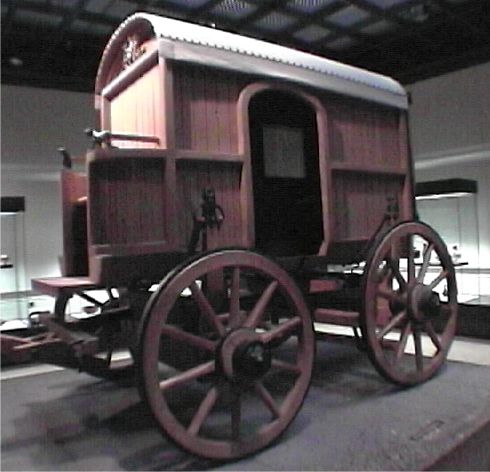
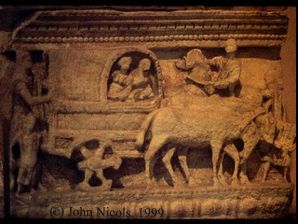
The Romans’ success in conquering and maintaining their enormous empire lay partly in their military culture, their weapons and their training. Rome’s ability to provision large armies at long distances was, however, equally as, or more important to its success. The military history of Rome is not one of continuous victory: indeed the Romans often won wars because, after losing battles—and sometimes entire armies and fleets—they could keep replacing them until the enemy was defeated. Polybius, a keen observer of the Roman military at its height, remarked that “the advantages of the Romans lay in inexhaustible supplies of provisions and men.”
A sophisticated logistical system allowed the Romans to exploit their military resources effectively. The Romans recognized the importance of supply and used it both as a strategic and a tactical weapon and the necessities of military supply influenced and often determined the decisions of the Roman commanders at war…
View original post 2,056 more words
The 2019 Witch Hunts.
30 May 2020 Leave a comment

The Witch Hunts, which began in the 1500’s, swept across Europe in the 17th Century. Estimates of the deaths vary wildly with the most conservative estimates, of casualties, ranging around 60,000. Feminist theories of the trials focussed on the sex of the victims. In England a staggering 90% were women. Coincidentally (not) this was inversely proportionate to the sex composition of the saintly class. Theories which contradict the feminist interpretation can’t dismiss the sex of the victims. Some theorists point to the role of the rising printing press in the spread of Witchcraft Trials. This modern re-enactment owes much to Twitter. Twitter Shaming has replaced the burning. Just when this will tip over into more serious violence, against a woman, is anyone’s guess. The violent incidents we have already seen have been denied, dismissed and minimised. This is a dangerous climate we are creating for women.
The focus was on…
View original post 1,274 more words


Recent Comments