The curious thing about the appointment of Robert Oppenheimer was he had no previous management experience. But the best thing about him was he was smarten enough to understand what was going on in all the research and who was smart but it wasn’t so smart that his work was required on research.


BUILDING THE BOMB
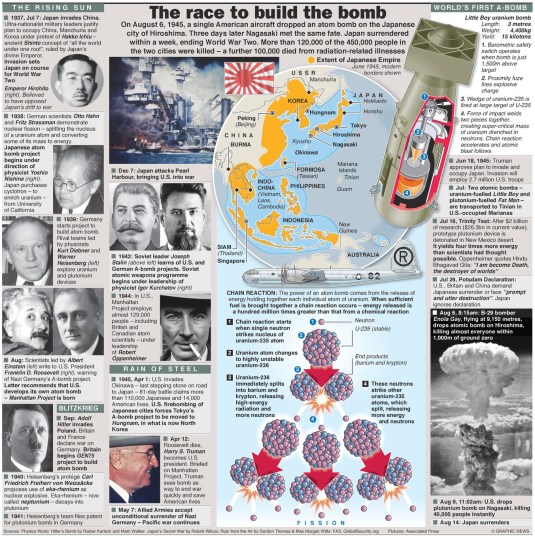
Albert Einstein signed the letter. Years later he would regret it, calling it the one mistake he had made in his life. But in August 1939, Adolf Hitler’s armies already occupied Czechoslovakia and Austria and his fascist thugs were arresting Jews and political opponents throughout the Third Reich. Signing the letter seemed vital. His friends and fellow physicists, Leo Szilard and Eugene Wigner, had drafted the note he would now send to President Franklin D. Roosevelt.
The scientists had seen their excitement over the recent breakthrough discoveries of the deepest secrets of the atom turn to fear as they realized what unleashing atomic energies could mean. Now the danger could not be denied. The Nazis might be working on a super-weapon; they had to be stopped.
In his famous letter, Einstein warned Roosevelt that in the immediate future, based on new work by Szilard and the Italian…
View original post 1,776 more words

 One of the things we learned in organizational science was that managers are prone to focus attention and resources on urgent situations at the expense of more serious threats to viability. Thus the aphorism: “When you are up to your ass in alligators it’s difficult to remember that your initial objective was to drain the swamp”. Many times we consultants saw clients working hard to put out fires (complaints, delays, etc.) while obvious to strategic weaknesses eroding their ability to compete with rivals. One memorable client responded to our product profitabilty analysis showing why they were losing money, “I can’t drop that product, it’s our best seller!”








Recent Comments