After a vacation hiatus, Bill Maher is back with a monologue called, “New rules: political firestorm.” Here he parses blame for the L.A. fires between unavoidable causes (no rain, lots of brush) and avoidable ones (blockheaded politicians). The latter, he says, involves cuts in the firse-department budget, stolen or nonfunctional hydrants, empty reservoirs, exposed power […]
Bill Maher’s latest monologue: the L.A. fires and progressive politics
Bill Maher’s latest monologue: the L.A. fires and progressive politics
19 Jan 2025 Leave a comment
in economics of bureaucracy, economics of climate change, economics of natural disasters, environmental economics, environmentalism, global warming, law and economics, politics - USA, property rights, Public Choice Tags: climate alarmism
No Tech Workers or No Tech Jobs?
19 Jan 2025 1 Comment
in economics of education, entrepreneurship, human capital, industrial organisation, labour economics, labour supply, occupational choice

Several recent tweets(xeets) about tech talent re-ignited the conversation about native-born STEM workers and American policy. For the Very Online, Christmas 2024 was about the H-1B Elon tweets. Elon Musk implies that “elite” engineering talent cannot be found among Americans. Do Americans need to import talent? What would it take to home grow elite engineering […]
No Tech Workers or No Tech Jobs?
Quotation of the Day…
19 Jan 2025 1 Comment
in Adam Smith, applied price theory, comparative institutional analysis, development economics, economic history, economics of love and marriage, economics of regulation, entrepreneurship, history of economic thought, industrial organisation, labour economics, labour supply, law and economics, poverty and inequality, property rights, unemployment
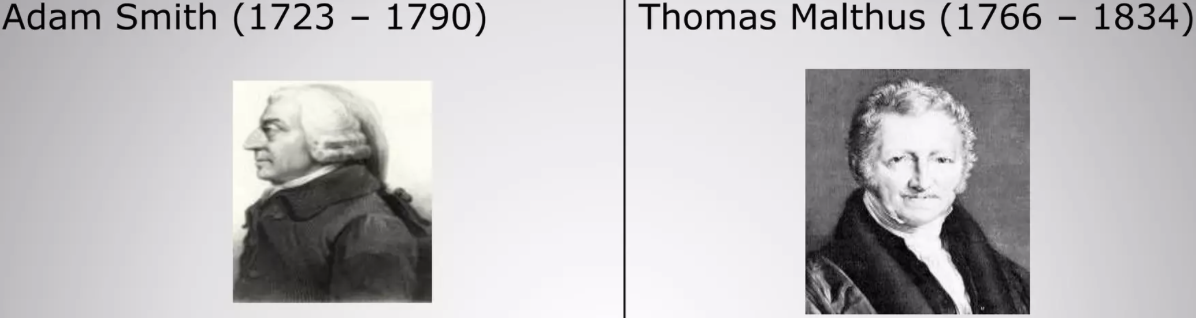
Tweet… is from page 53 of the late, great Harold Demsetz’s excellent 2008 book, From Economic Man to Economic System: Adam Smith and Thomas Malthus differed in their forecasts of mankind’s future. Smith (1776), in his Wealth of Nations, offered an optimistic view, basing this on his understanding of the new economic system that began…
Quotation of the Day…
Congestion charges work
19 Jan 2025 Leave a comment
in applied price theory, politics - USA, transport economics Tags: congestion charging, road pricing
Radio NZ reports: Traffic in Manhattan’s central business district fell by 7.5 percent last week and 273,000 fewer cars entered the borough’s central business district after the first congestion pricing fee in the US took effect on 5 January, New York City transit officials said on Monday. The fee was designed to reduce traffic and raise billions […]
Congestion charges work
Assassination Attempt on Lenin – Chaos in Romania I THE GREAT WAR Week 182
18 Jan 2025 Leave a comment
in defence economics, economic history, Marxist economics, war and peace Tags: Russian revolution, World War I
Canada’s missing entrepreneurs
18 Jan 2025 Leave a comment
in applied price theory, economics of regulation, entrepreneurship, industrial organisation, regulation Tags: Canada
From John Ruffalo.
Canada’s missing entrepreneurs
Natural Diamonds Had a Rough Year—Some Hope to Restore Their Shine
18 Jan 2025 Leave a comment
in applied price theory, entrepreneurship, industrial organisation, market efficiency, survivor principle Tags: creative destruction
Lab-grown diamonds are gaining share, but they might be getting too cheap and largeBy Jinjoo Lee of The WSJ. Excerpts:”After a postpandemic surge in demand in 2021 and 2022, natural-diamond prices are down about 8% compared with the first quarter of 2020, while lab-grown diamond prices are down 75%” [if they are substitutes for each…
Natural Diamonds Had a Rough Year—Some Hope to Restore Their Shine
Biden Uses Last-Minute AI Executive Order To Force More Green Energy Onto The Grid
18 Jan 2025 Leave a comment
in economics of regulation, energy economics, environmental economics, global warming, politics - USA, resource economics Tags: solar power, wind power
The executive order is another eleventh-hour move in what appears to be an effort to stymy President-elect Donald Trump’s energy agenda, which is expected to include a vast expansion of oil and gas drilling on federal lands and waters. Biden announced a ban Monday for future offshore oil and gas activity across 625 million acres of the outer continental shelf, citing a law that could prevent a successive administration from easily reversing the policy.
Biden Uses Last-Minute AI Executive Order To Force More Green Energy Onto The Grid
Further proof the Council just made things worse
17 Jan 2025 Leave a comment
in applied price theory, comparative institutional analysis, economics of bureaucracy, economics of regulation, entrepreneurship, industrial organisation, politics - New Zealand, Public Choice, public economics, rentseeking, survivor principle
Stuff reports: Reading Cinemas is set to return to Wellington after it was revealed on Tuesday night that the cinema chain’s owner, Reading International, intends to undertake a redevelopment of the old building. The company has entered into a Sale and Purchase Agreement with Prime Property Group, with part of the deal including a seismic upgrade […]
Further proof the Council just made things worse
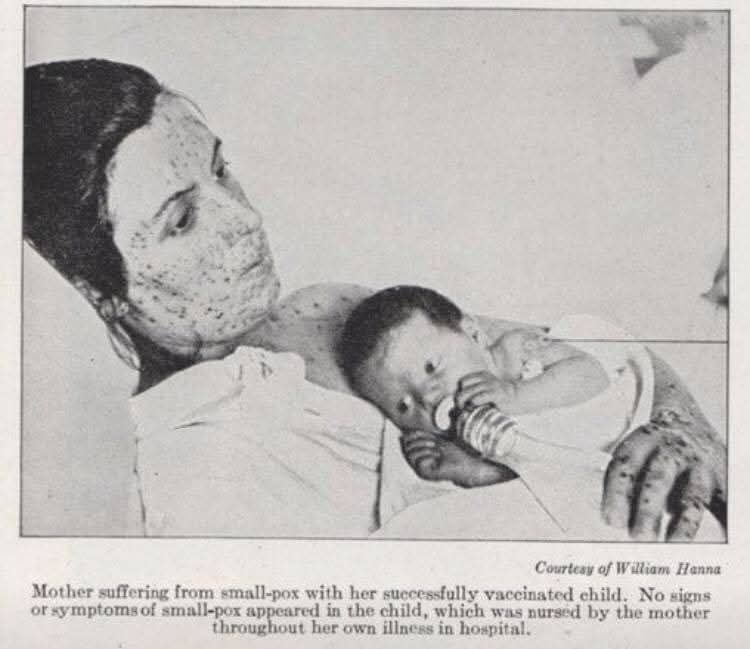
#vaccines work
17 Jan 2025 Leave a comment
in economic history, environmental economics, health economics Tags: anti-vaccination movement, child mortality, infant mortality, life expectancies, The Great Escape, vaccines
Get To Many Moons, Not Just One
17 Jan 2025 Leave a comment
in economics of media and culture Tags: space

Over at Behind The Black, the blog of space enthusiast Robert Zimmerman, he has some suggestions for the US space industry and in particular NASA’s Artemis program to land humans on the Moon. The advice is directed at Trump’s nomination for the head of NASA, Jacob Isaacman, a billionaire who has already flown in space […]
Get To Many Moons, Not Just One
CA gov prevents voluntary wealth-creating transactions
17 Jan 2025 Leave a comment
in applied price theory, comparative institutional analysis, economics of natural disasters, economics of regulation, law and economics, politics - USA, property rights
From REASON: On January 7, Newsom issued a state of emergency as fires spread in Los Angeles County. On Tuesday, Newsom signed Executive Order N-7-25, prohibiting buyers for three months from “making any unsolicited offer to an owner of real property” in fire-affected areas “for an amount less than the fair market value of the…
CA gov prevents voluntary wealth-creating transactions
Margaret Thatcher, Michael Curley, and the 19th Theorem of Government
16 Jan 2025 Leave a comment
in applied price theory, applied welfare economics, Austrian economics, comparative institutional analysis, constitutional political economy, economic growth, economic history, economics of regulation, energy economics, environmental economics, financial economics, fiscal policy, human capital, income redistribution, international economics, labour economics, labour supply, law and economics, liberalism, libertarianism, macroeconomics, Marxist economics, politics - USA, poverty and inequality, property rights, Public Choice, public economics, regulation, rentseeking
In this 12-second video, Margaret Thatcher is talking about the Labour Party in the United Kingdom, but her warning has universal application. And when I say her warning has universal application, I’m not joking. Politicians generally can’t resist the temptation to buy votes. And I fear that this can and will happen at all levels […]
Margaret Thatcher, Michael Curley, and the 19th Theorem of Government
The Dutch Hunger Winter: The 1944/45 Famine
16 Jan 2025 Leave a comment
in defence economics, health economics, war and peace Tags: Netherlands, World War II

The Dutch Hunger Winter, also known as the Hongerwinter, was a devastating famine that gripped the Netherlands during the final months of World War II, from November 1944 to April 1945. This period of extreme hardship left a profound mark on Dutch society, shaped the collective memory of the war, and offered critical insights into […]
The Dutch Hunger Winter: The 1944/45 Famine
 Utopia, you are standing in it!
Recent Comments