Despite her exotic name Mata Hari was a Dutch woman. Her real name was Margaretha (Gretha)Zelle and was born in Leeuwarden, in the province of Friesland in the North West of the Netherlands.. Today marks her 150th birthday. At 18, Zelle answered an advertisement in a Dutch newspaper placed by Dutch Colonial Army Captain Rudolf MacLeod (1 March 1856 – 9 January 1928), […]
The Omagh bombing, which took place on August 15, 1998, stands as the deadliest single atrocity of the decades-long sectarian conflict in Northern Ireland known as the Troubles. Just four months after the historic signing of the Good Friday Agreement, a car bomb exploded in the busy centre of Omagh, County Tyrone, in an attack […]
It is five years today since the Taliban took control of Afghanistan. On 15 August 2021, its forces entered Kabul as the Afghan government collapsed and the long Western intervention came to an ignominious end. Five years later, the consequences for Afghan women are appalling. The Taliban has issued more than 100 decrees restricting the […]
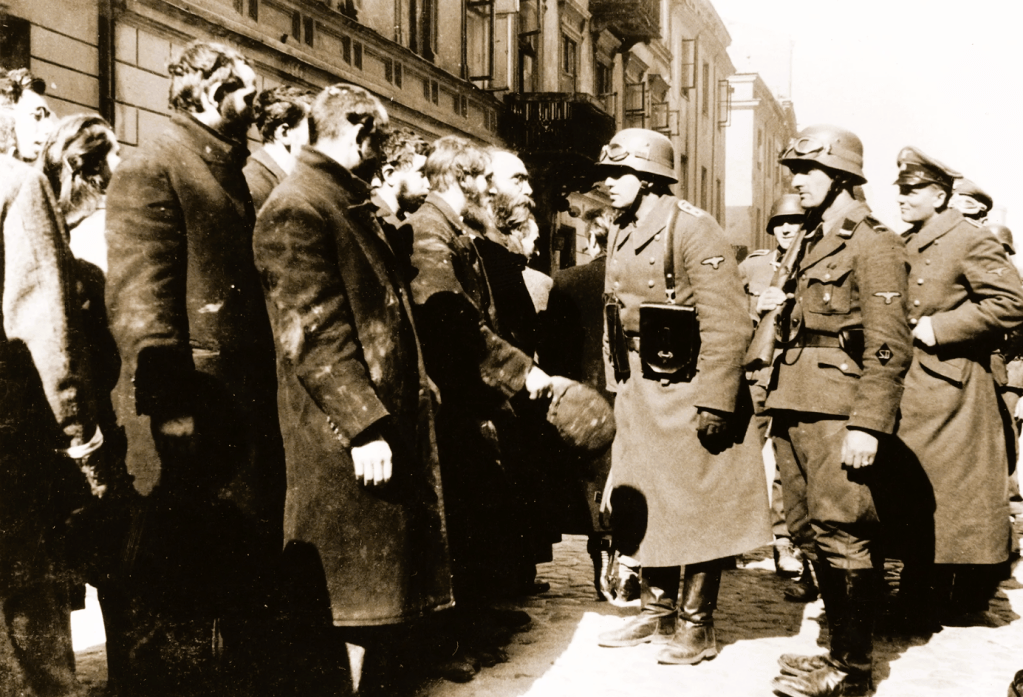
The Schutzstaffel (SS): The Engine of the Nazi State The Schutzstaffel, commonly referred to as the SS, played a pivotal role in the rise and implementation of the Nazi regime in Germany between 1925 and 1945. Originally formed as a paramilitary bodyguard unit for Adolf Hitler, the SS evolved into a multifaceted organization responsible for […]
Rainer Zitelmann writes in How Capitalism Beat Communism in Vietnam in Reason Magazine, The state collectives did not reward members for the amount of rice they produced, but instead counted how many days they had worked. 183 more words
Following the Hiroshima bombing on August 6, the Soviet declaration of war and the Nagasaki bombing on August 9, the Emperor’s speech was broadcast at noon Japan Standard Time on August 15, 1945, and did reference the atomic bombs as a reason for the surrender. The broadcast was recorded a day earlier but was broadcast […]
By Paul Homewood h/t Ian Cunningham We are rapidly turning into a third world country where our electricity grid is concerned: From the Telegraph: Emergency power cuts could be imposed on millions of households at short notice to avoid nationwide blackouts, under new rules introduced by grid bosses.
TweetRyan Bourne explains that “burrito-gate reflects inflation’s toxic legacy.” Brian Albrecht carefully lays out the likely consequences of Mamdani’s government-run grocery stores. National Review‘s Jim Geraghty is right: “Both parties embrace what’s popular and abandon what’s right.” A slice: The Republican president keeps taking a government stake in private companies, now up to 30 firms.…
Hedy Lamarr, born Hedwig Eva Maria Kiesler in 1914 in Vienna, Austria, is best known for her work as a Hollywood actress during the Golden Age of cinema. However, her contributions to science and technology, particularly her co-invention of a technology that laid the groundwork for WiFi, Bluetooth, and GPS, have garnered increasing recognition. Lamarr’s […]
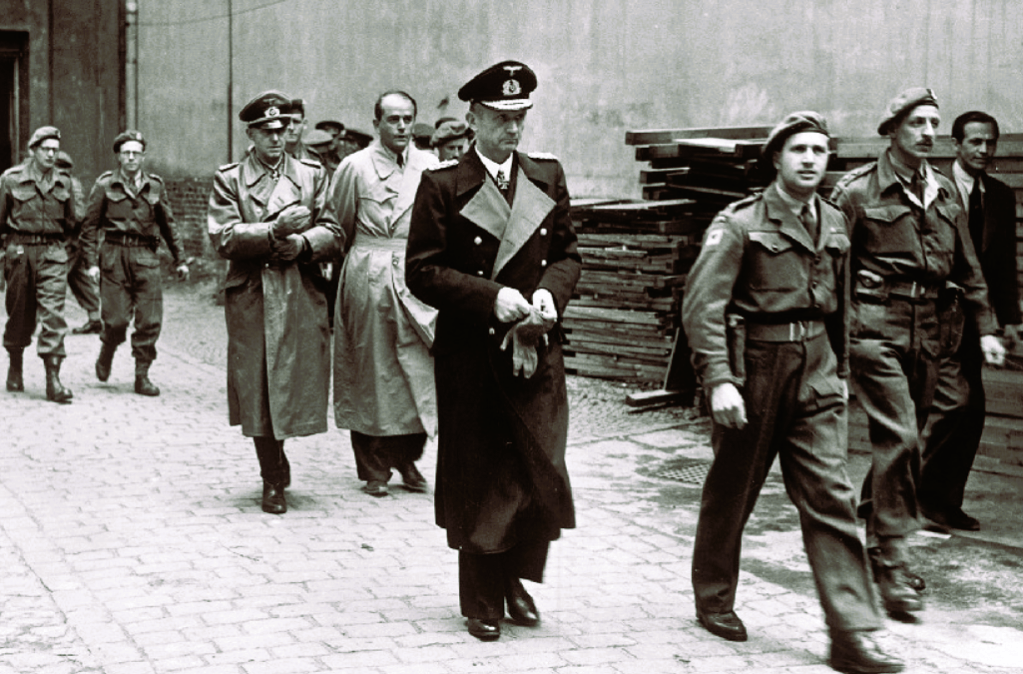
The Flensburg Government refers to a short-lived, provisional government of Nazi Germany that existed in the final days of World War II, from May 2 to May 23, 1945. Named after the town of Flensburg in northern Germany, near the Danish border, where it was headquartered, this government represented the last vestiges of the Third […]
I tell my Gary Becker story, why I like police more than prisons, how criminals are like children and more. The post Alex Tabarrok on the Economic Analysis of Crime appeared first on Marginal REVOLUTION.
Why Evolution is True is a blog written by Jerry Coyne, centered on evolution and biology but also dealing with diverse topics like politics, culture, and cats.
In Hume’s spirit, I will attempt to serve as an ambassador from my world of economics, and help in “finding topics of conversation fit for the entertainment of rational creatures.”
“We do not believe any group of men adequate enough or wise enough to operate without scrutiny or without criticism. We know that the only way to avoid error is to detect it, that the only way to detect it is to be free to inquire. We know that in secrecy error undetected will flourish and subvert”. - J Robert Oppenheimer.





 Utopia, you are standing in it!
Recent Comments