
Anti-science @Greenpeace @Greens @NZGreens
27 Oct 2020 Leave a comment
in economics of regulation, environmental economics, fisheries economics, health economics, Marxist economics, Public Choice Tags: anti-GMOs movement, anti-intellectualism, Anti-Science left, regressive left
Michael Shellenberger: the lost souls of the green movement — The Brendan O’Neill Show
01 Dec 2019 Leave a comment
in economic history, environmental economics, global warming, politics - Australia, politics - New Zealand, politics - USA Tags: anti-intellectualism, anti-market bias, expressive voting, nuclear energy, pessimism, regressive left, solar power, wind power
The left denies science mostly for reasons of solution aversion?
25 Mar 2019 Leave a comment
in economics of education, energy economics, environmental economics, health economics, law and economics, politics - Australia, politics - New Zealand, politics - USA, Public Choice Tags: anti-foreign bias, anti-GMO movement, anti-intellectualism, anti-market bias, cognitive psychology, pessimism bias, political psychology, regressive left
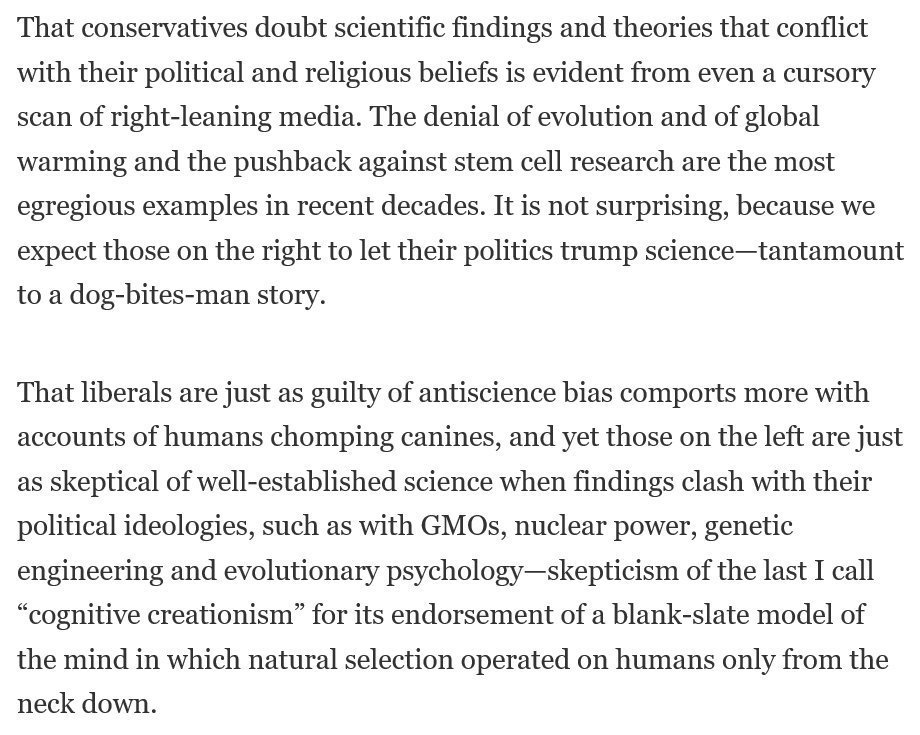
Handy hints for the Antiscience Left
16 May 2015 Leave a comment
in economics of regulation, environmental economics, environmentalism, global warming Tags: anti-intellectualism, antiscience left, climate alarmists, conjecture and refutation, doomsday prophets, logical fallacies, philosophy of science, precautionary principle, propaganda
Interesting, non-obvious stuff here. "Inoculating against science denial" theconversation.com/inoculating-ag… http://t.co/U719oys3Pf—
(@pourmecoffee) May 16, 2015
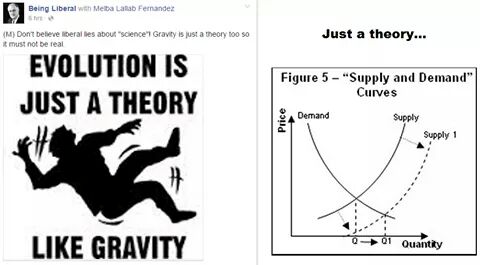
Another week in pseudoscience
01 Feb 2015 Leave a comment
in economics of media and culture, health economics Tags: anti-intellectualism, Anti-Science left, pseudoscience, Quacks
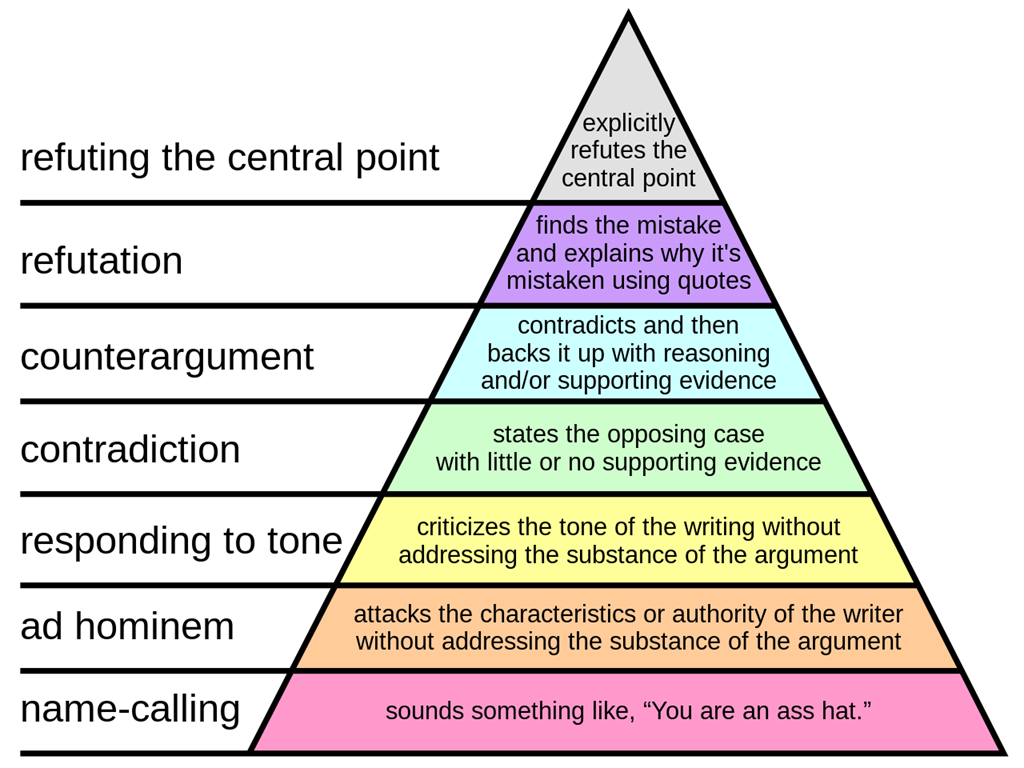
I have a lot of experience with the bottom end of this form of argumentation. Do you?
18 Aug 2014 Leave a comment
The forecasting record of psychics and soothsayers
11 Aug 2014 Leave a comment
in economics Tags: anti-intellectualism, cranks, forecasting errors, pseudoscience, scientific fraud, superstition
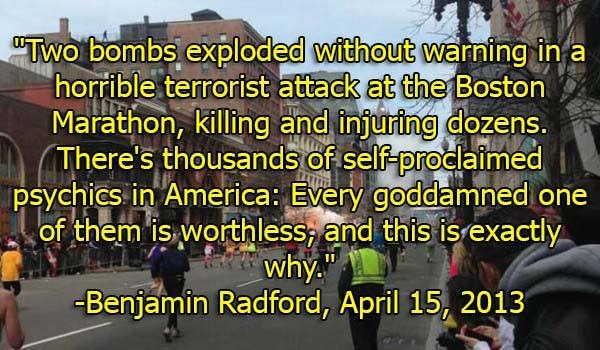
HT: I hate pseudo science
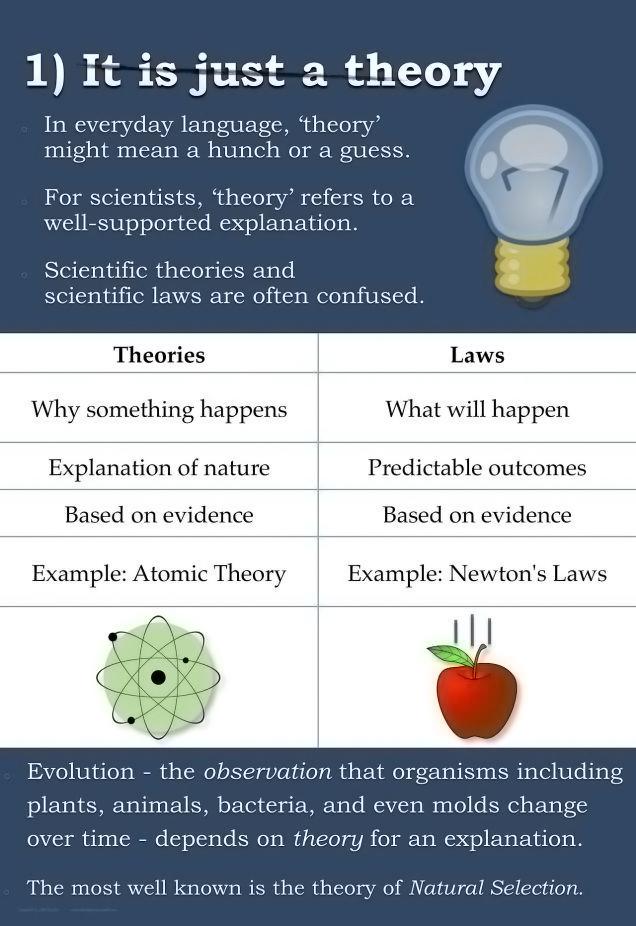
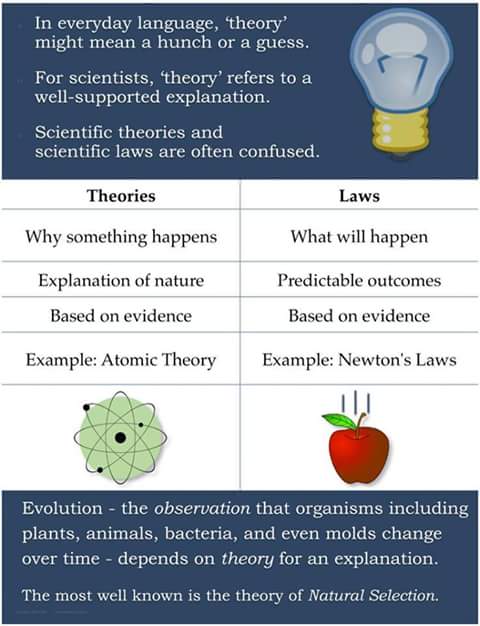
It’s just a theory!
21 Jul 2014 Leave a comment
in economics Tags: anti-intellectualism, methodology of economics, The Age of Enlightenment

One of the most frustrating thing when having arguments with supposedly university educated people is when they retort: it’s just a theory. Escaping this rancid anti-intellectualism should be the least of which you learn in a university education but I found this not to be so so many times. I would fear for the continuity of the Age of Enlightenment every time I heard these words uttered.
A scientific theory is not just an idea that lives in someone’s head, rather than an explanation rooted in experiment and testing. Scientific theories are central to the growth of knowledge which itself grows through criticism and discussion:
If we are uncritical we shall always find what we want: we shall look for, and find, confirmations, and we shall look away from, and not see, whatever might be dangerous to our pet theories.
In this way it is only too easy to obtain what appears to be overwhelming evidence in favour of a theory which, if approached critically, would have been refuted – Karl Popper
A theory is an explanation or model based on observation, experimentation, and reasoning, especially one that has been tested and confirmed as a general principle helping to explain and predict natural phenomena.
When I speak of reason or rationalism, all I mean is the conviction that we can learn through criticism of our mistakes and errors, especially through criticism by others, and eventually also through self-criticism.
A rationalist is simply someone for whom it is more important to learn than to be proved right; someone who is willing to learn from others — not by simply taking over another’s opinions, but by gladly allowing others to criticize his ideas and by gladly criticizing the ideas of others. The emphasis here is on the idea of criticism or, to be more precise, critical discussion – Karl Popper
Any scientific theory must be based on a careful and rational examination of the facts.

 Utopia, you are standing in it!

Recent Comments