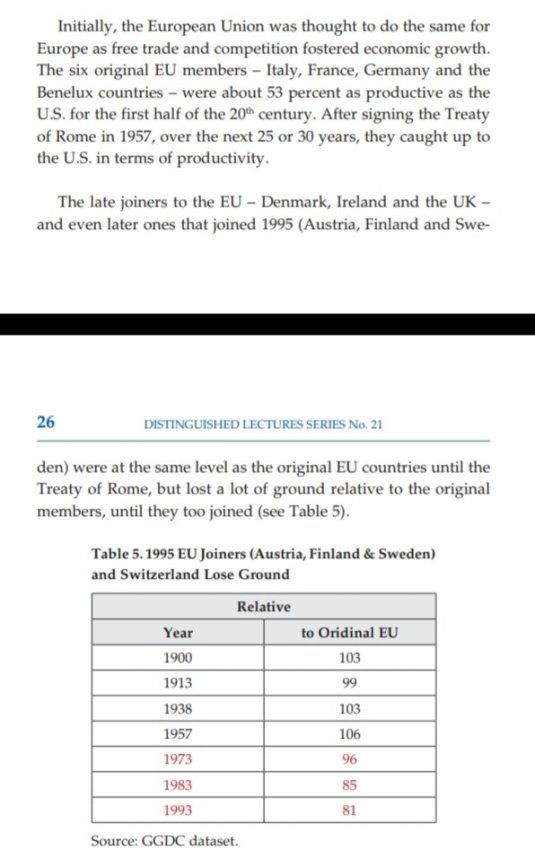
Edward Prescott on the benefits of the common market
01 Sep 2019 Leave a comment
in economic growth, economic history, Edward Prescott, industrial organisation, international economic law, labour economics, labour supply, law and economics, macroeconomics, Public Choice, rentseeking, survivor principle Tags: Common market, customs unions, preferential trade agreements
Edward C Prescott on the EU, business cycles and European economic research
04 Sep 2018 Leave a comment
in business cycles, economic growth, economic history, Edward Prescott, Euro crisis, fiscal policy, global financial crisis (GFC), great recession, international economic law, international economics, macroeconomics, Public Choice Tags: Common market
We’ve triggered Article 50 – what happens next? #Brexit
03 Apr 2017 Leave a comment
in economics, international economics Tags: Brexit, Common market
Yes, Minister explains the #Brexit
01 Apr 2017 Leave a comment
in defence economics, economic history, international economics Tags: Common market
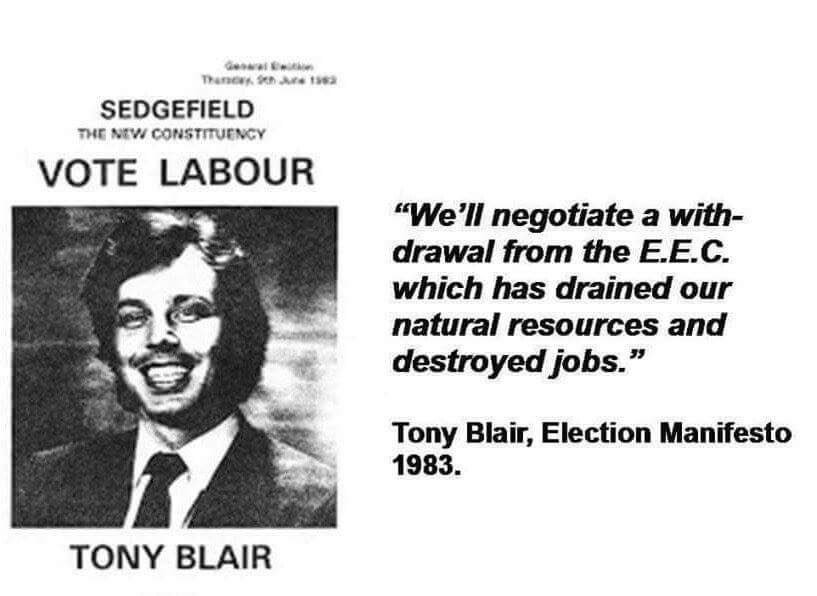
The Economic Cost of EU Membership
13 Jan 2017 Leave a comment
in applied price theory, econometerics, economic history, international economics Tags: Brexit, Common market, custom unions, European Union
EU models for a post-Brexit UK | PunkFT
04 Jan 2017 Leave a comment
in applied price theory, constitutional political economy, international economics Tags: Brexit, Common market, custom unions
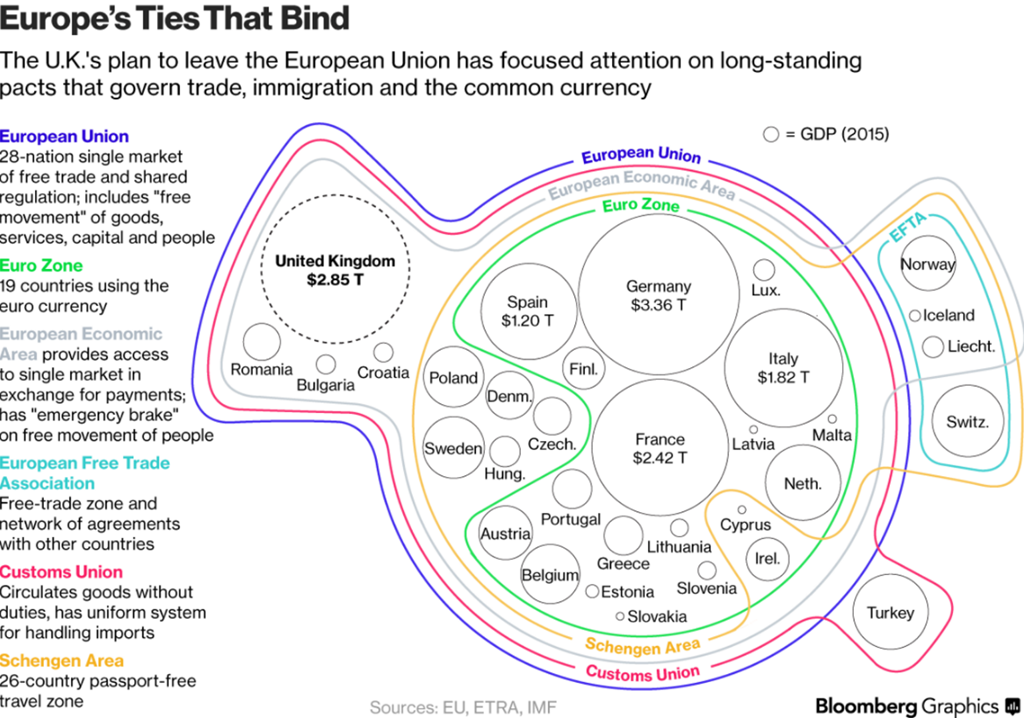
The Brexit vote is about the supremacy of Parliament
30 Jun 2016 Leave a comment
in economics, international economic law, international economics, International law Tags: British economy, British politics, Common market, European Union
Why did voters vote to Leave or Remain? @JulieAnneGenter @Income_Equality
28 Jun 2016 Leave a comment
in constitutional political economy, international economic law, international economics, International law, Public Choice Tags: British economy, British politics, Common market, European Union, pessimism bias, single market, Twitter left, voter demographics
There were few difference across the political spectrum as to why voters voted to Remain or Leave. This is according to Lord Ashcroft’s survey on referendum day of over 12,000 voters.

Source: How the United Kingdom voted on Thursday… and why – Lord Ashcroft Polls
Labour and Tory voters voted to leave to regain control over immigration and sovereignty.
Labour and Tory voters who wanted to remain thought the EU and its single market was a good deal not worth putting at risk. It is all about identity politics, not inequality.
Vote Leave voters are a grumpy lot who think things have been getting worse for 30 years:
Leavers see more threats than opportunities to their standard of living from the way the economy and society are changing, by 71% to 29% – more than twice the margin among remainers…
By large majorities, voters who saw multiculturalism, feminism, the Green movement, globalisation and immigration as forces for good voted to remain in the EU; those who saw them as a force for ill voted by even larger majorities to leave.
@JulieAnneGenter @NZGreens @LewisHoldenNZ @DanHannanMEP’s best single case for #Brexit
24 Jun 2016 Leave a comment
in constitutional political economy, economics, industrial organisation, international economic law, International law, liberalism Tags: Brexit, British economy, British politics, Common market, customs unions
Patrick Minford explains #Brexit
22 Jun 2016 Leave a comment
in applied welfare economics, comparative institutional analysis, economics, international economic law, international economics, International law, Public Choice Tags: Brexit, British economy, British politics, Common market, European Union
 Utopia, you are standing in it!
Recent Comments