While the psychological dispositions that underlie conspiracy thinking are well researched, there has been remarkably little research on the political preferences of conspiracy believers that go beyond self-reported ideology or single political issue dimensions. Using data from the European Voter Election Study (EVES), the relationship between conspiracy thinking and attitudes on three deeper-lying and salient […]
Who believes in conspiracy theories?
Who believes in conspiracy theories?
26 Mar 2025 Leave a comment
in economic history, economics of education, health economics Tags: cognitive psychology, conspiracy theorists, political psychology
Cranks, crackpots and conspiracy theorists
17 Mar 2025 Leave a comment
in economics of education, economics of media and culture Tags: conspiracy theorists, cranks
The terms “crank” and “crackpot” are often used interchangeably to describe someone who holds eccentric or unorthodox views, especially in science or other intellectual disciplines. However, there can be subtle differences in their connotations: Both terms are pejorative and used to express disapproval or skepticism towards the individual’s ideas or behaviors. The distinction, while subtle, […]
Cranks, crackpots and conspiracy theorists
Let Candace speak
30 Aug 2024 Leave a comment
in defence economics, economics of crime, law and economics, politics - New Zealand, politics - USA, war and peace Tags: conspiracy theorists, The Holocaust
Newsroom reports: The Government should closely scrutinise the visa application of Holocaust denier Candace Owens, the chair of the Holocaust Centre of New Zealand has urged. Owens, an American far-right activist with a history of antisemitic, Islamophobic and homophobic comments, is visiting Auckland in November as part of a speaking tour which will also take […]
Let Candace speak
Mihi Forbes and the great Atlas conspiracy
16 Feb 2024 Leave a comment
in liberalism, Marxist economics, politics - New Zealand, politics - USA, television Tags: conspiracy theorists
Graham Adams writes — Last week, Mihingarangi Forbes made an extraordinary claim while interviewing David Seymour on Mata Reports, a taxpayer-funded current affairs programme which, she says, looks at events through an “indigenous lens”. She asked him about Act’s links to the Atlas Network, which fosters connections between centre-right think tanks around the world. When […]
Mihi Forbes and the great Atlas conspiracy
Spectrum of doubt
24 Feb 2022 Leave a comment
in economics of education Tags: conjecture and refutation, conspiracy theorists, philosophy of science
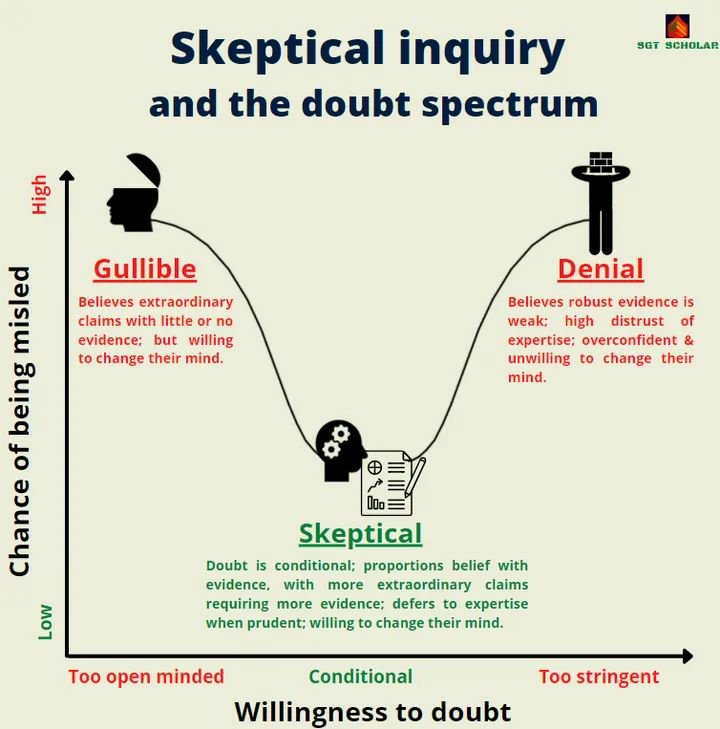
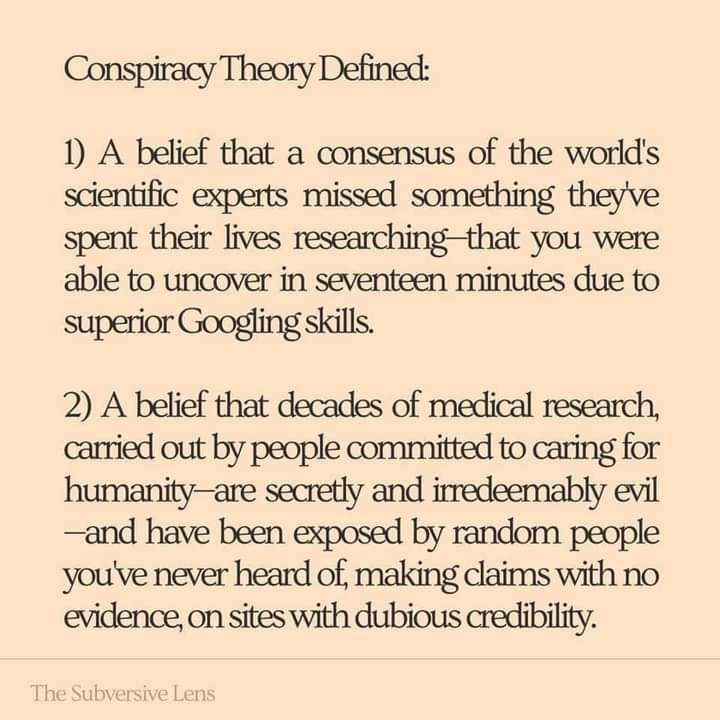
Is it a conspiracy?
13 Sep 2021 Leave a comment
in economics of education, economics of media and culture, Marxist economics Tags: cognitive psychology, conspiracy theorists, political psychology
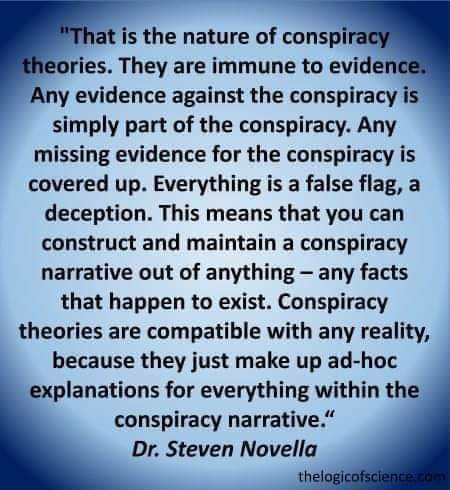
Why conspiracy theories are rational to believe
12 Sep 2020 Leave a comment
in applied price theory, applied welfare economics, behavioural economics, comparative institutional analysis, economics of education, economics of information, economics of media and culture, politics - Australia, politics - New Zealand, politics - USA, Public Choice Tags: cognitive psychology, conspiracy theorists, political psychology
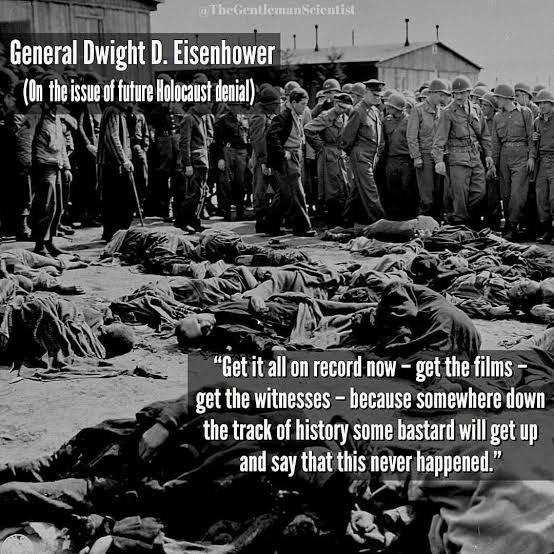
A flaw common to many conspiracy theories
20 Oct 2019 Leave a comment
in defence economics, economics of education, economics of information, economics of media and culture, politics - USA, war and peace Tags: 9/11, conspiracy theories, conspiracy theorists, Iraq war

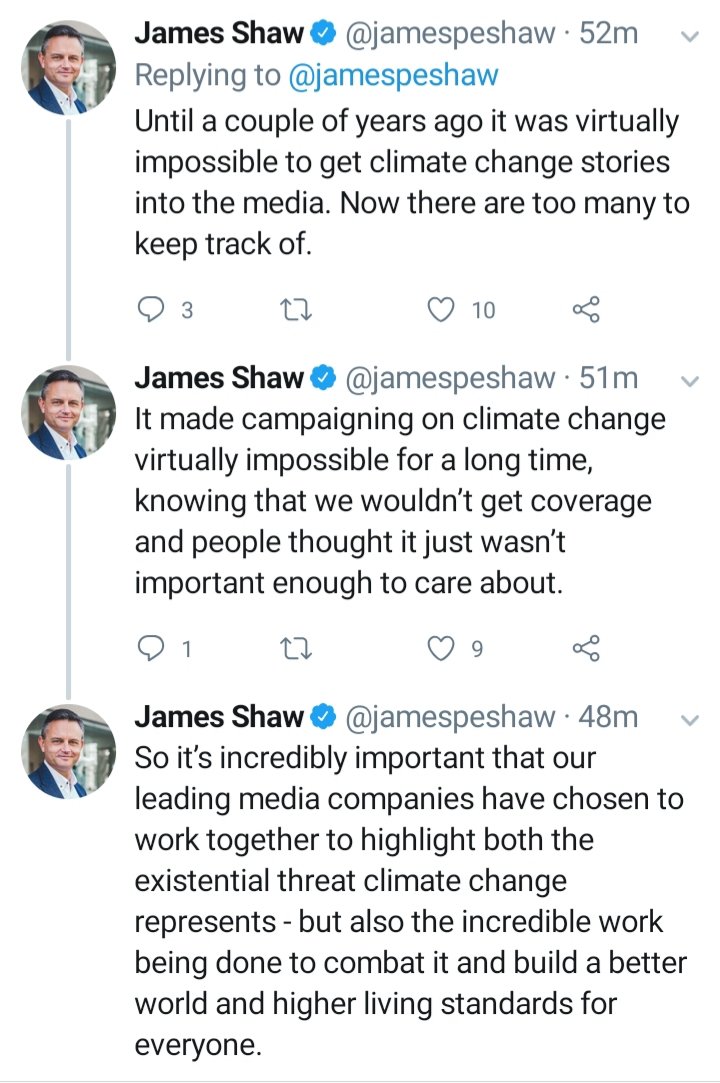
Yes @jamespeshaw has lost the plot
16 Sep 2019 Leave a comment
in environmental economics, global warming Tags: climate alarmism, conspiracy theorists, media bias
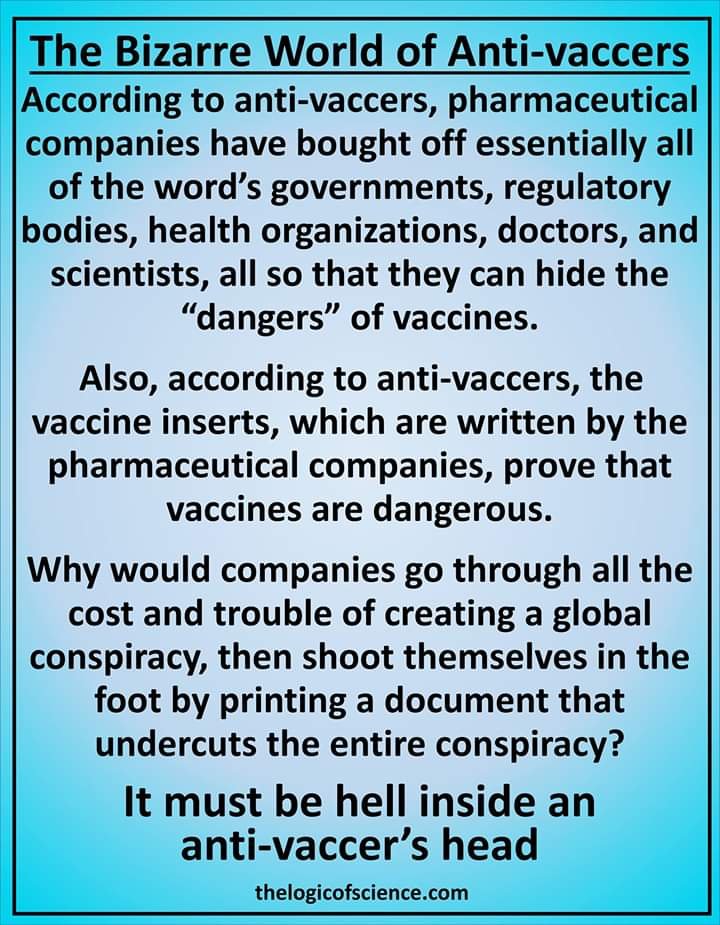
A conundrum for the anti-science left on GMOs too
14 Aug 2019 Leave a comment
in economics of education, economics of information, economics of regulation, environmental economics Tags: anti-vaccination movement, conspiracy theorists, GMOs, vaccines
Buzz Aldrin Punches Moon Landing Denier Nutcase In The Face
22 Jul 2019 Leave a comment
in television Tags: conspiracy theorists, moon landings
2. Tell a New Story – Doughnut Economics or @KateRaworth is a @MontPelerinSoc conspiracy theorist
03 May 2019 Leave a comment
in business cycles, discrimination, economic growth, economic history, economics of regulation, F.A. Hayek, financial economics, gender, global financial crisis (GFC), human capital, international economics, labour economics, labour supply, law and economics, macroeconomics, Milton Friedman, occupational choice, Public Choice Tags: conspiracy theories, conspiracy theorists
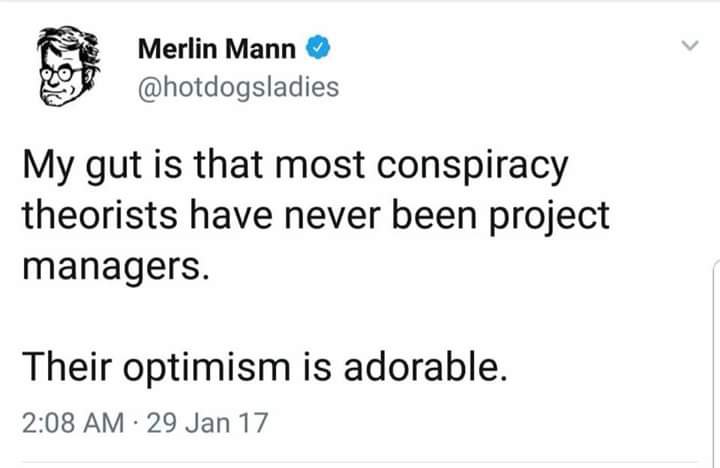
Nothing could be more true
30 Apr 2019 Leave a comment
in economics of media and culture Tags: conspiracy theorists
 Utopia, you are standing in it!
Recent Comments