Would you think it is a good idea that you have two car insurers if and only if your car is hit by a pink car? That’s how they run earthquake insurance in New Zealand.
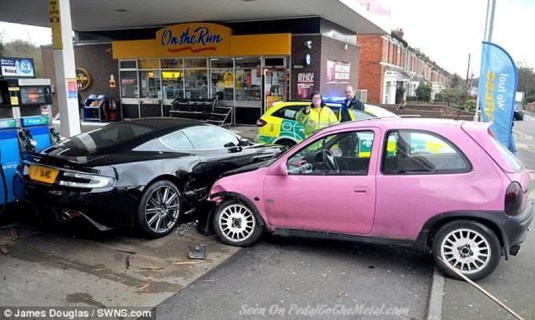
This is how the system of earthquake in insurance in New Zealand would run for a car: if your car is in an accident with a pink car, the first say $2000 of the damages is paid for by a special insurer. After that, your normal car insurance policy applies.
I don’t know of anyone who insures their car with two different people depending on the probability of different events, possibly because I don’t know that many people who are extremely stupid.
In New Zealand, the first $100,000 of earthquake damage is insured by a government insurance company called the Earthquake Commission. After that, your normal homeowners insurance covers the rest of the earthquake damage. The premium for the earthquake insurance with the Earthquake Commission is collected as part of your normal insurance premium to your home insurance provider.
Fortunately for you, if this scheme of insurance applied to your car, the repairs are not delayed for several years with High Court litigation over whether the Christchurch earthquake was a single event or a succession of separate earthquakes. If the two major earthquakes in Christchurch together with the thousands of after-shocks was a succession of separate earthquakes, the first $100,000 of damages for each of these several thousand after-shocks is the responsibility of the Earthquake Commission, not the normal insurer of the house.
Would it make sense to insure cars in the same way earthquake insurance is run in New Zealand? The answer is no. Any sensible person buys their insurance from one company and lets that insurance company sought out reinsurance of major and rare events with the global reinsurance pools.
With global reinsurance pools, there is no reason for a separate government insurance against earthquakes in New Zealand. The Earthquake Commission and its separate scheme of insurance for earthquakes should be abolished as superfluous and a magnet for litigation over insurance company liabilities in the case of major earthquakes.

 Utopia, you are standing in it!
Recent Comments