Today we celebrate the signing of the Treaty of Waitangi – a day which should be called Emancipation Day. For on the 6th of February 1840, slavery became illegal in New Zealand. The granting of British citizenship to Maori freed the slaves in law (the practice took a while longer to end) Slavery was not…
New Zealand Emancipation Day
New Zealand Emancipation Day
06 Feb 2026 Leave a comment
in economic history, economics of crime, law and economics, politics - New Zealand Tags: age of empires, Age of Enlightenment, constitutional law, economics of slavery, regressive left
Colonialism, Slavery, and Foreign Aid (with William Easterly) 12/8/25
01 Feb 2026 1 Comment
in applied price theory, comparative institutional analysis, constitutional political economy, development economics, economic history, growth disasters, growth miracles, history of economic thought, labour economics, labour supply, law and economics, property rights Tags: age of empires, economics of colonialism, economics of slavery
The British War on Slavery
13 Sep 2025 1 Comment
in defence economics, economic history, international economics, law and economics, liberalism, war and peace Tags: age of empires, economics of colonialism, economics of slavery
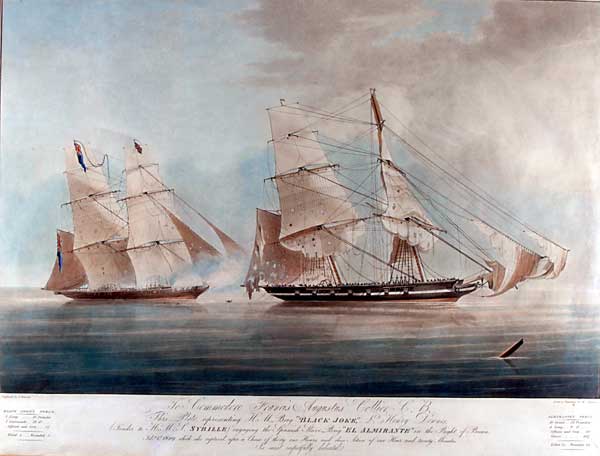
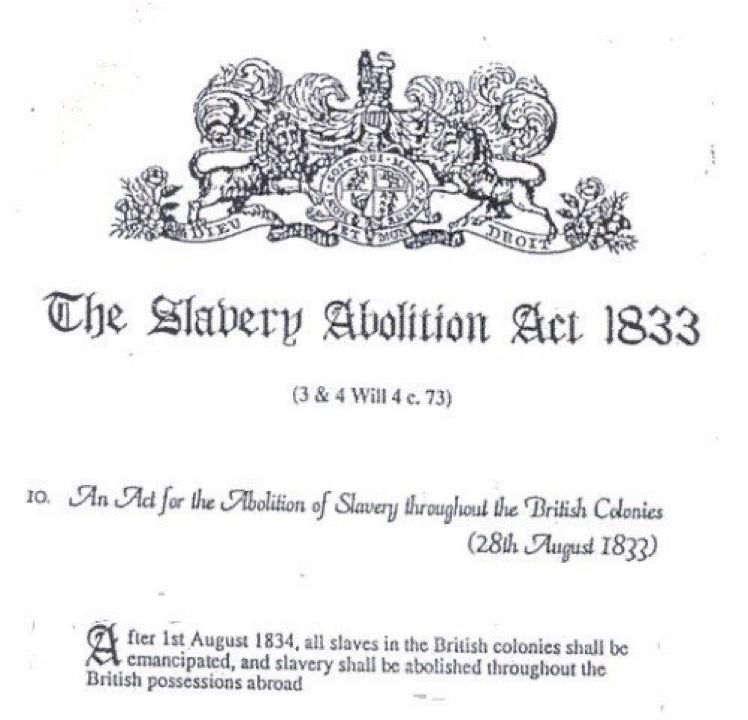
In August of 1833 the British passed legislation abolishing slavery within the British Empire and putting more than 800,000 enslaved Africans on the path to freedom. To make this possible, the British government paid a huge sum, £20 million or about 5% of GDP at the time, to compensate/bribe the slaveowners into accepting the deal. […]
The British War on Slavery
Slavery: A human crime, not a British one
30 Aug 2025 Leave a comment
in economic history, labour economics Tags: economics of slavery
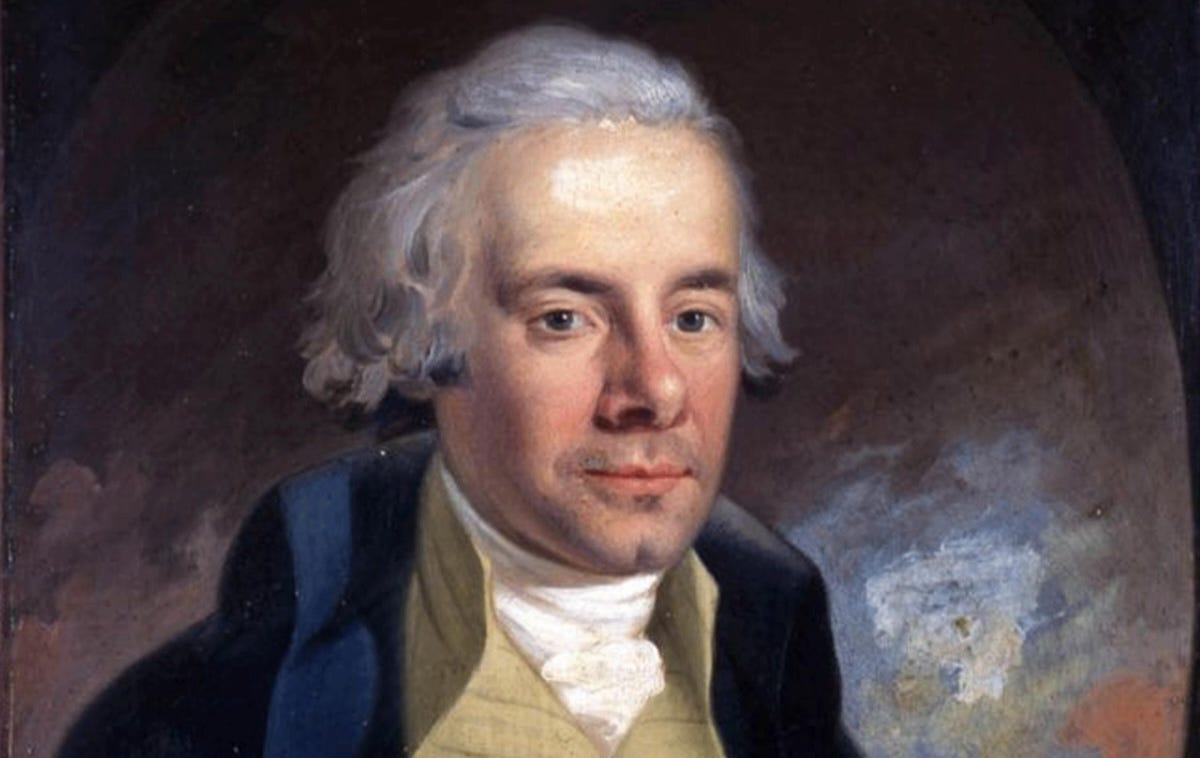
Rewriting History: The truth about slavery and the British Empire Ani O’Brien writes – You’d think from the way some people talk that the British Empire invented slavery, ran it single-handedly, and then quietly slunk away in shame. That’s the cartoon version of history pushed by activists who want every discussion of colonisation to be […]
Slavery: A human crime, not a British one
Somerset v Stewart, 1772: an End to Slavery in Britain?
09 Dec 2024 Leave a comment
in economic history, economics of crime, labour economics, labour supply, law and economics, property rights Tags: constitutional law, economics of slavery

The campaigning activities of abolitionist MPs such as William Wilberforce and Thomas Fowell Buxton are well-known, but one former MP, who had become a member of the House of Lords, was involved in this question in a rather different way. Joe Baker – Public Engagement Assistant for the History of Parliament – looks at the […]
Somerset v Stewart, 1772: an End to Slavery in Britain?
Quotation of the Day…
04 Nov 2024 Leave a comment
in economic history, economics of education, liberalism, Marxist economics Tags: Age of Enlightenment, economics of slavery, free speech, political correctness, regressive left
Tweet… is from page 390 of the 2016 second edition of Thomas Sowell’s excellent volume Wealth, Poverty and Politics (footnotes deleted; original emphases): People who seek to find blame, as distinct from causation, often also seek a localized source of evil to blame. Professor Paul Krugman, for example, refers to slavery as “America’s original sin.”…
Quotation of the Day…
Easter Island Ecological Collapse Debunked
21 Sep 2024 Leave a comment
in economic history, law and economics, liberalism, war and peace Tags: Easter Island, economics of colonialism, economics of slavery

Jared Diamond is a polymath (biochemistry, physiology, ornithology, ecology; MacArthur Genius Grant; etc.) perhaps best known for his Guns, Germs and Steel (1997). In that book (which I read) he proposed that shared learnings and practices across the vast Eurasian continent led to optimized food crops and agricultural practices for Eurasian peoples, which in turn […]
Easter Island Ecological Collapse Debunked
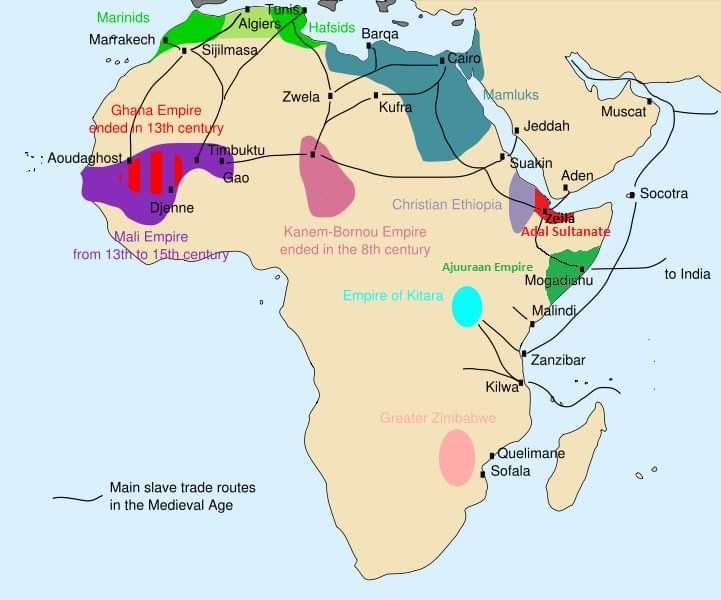
Main medieval slave routes in Africa
14 Sep 2024 Leave a comment
in economic history, international economics, labour economics, labour supply, law and economics, liberalism Tags: Africa, economics of slavery
Jim Crow and Black Economic Progress After Slavery
05 Sep 2024 Leave a comment
in applied price theory, discrimination, economic history, economics of education, human capital, labour economics, labour supply, politics - USA, poverty and inequality Tags: economics of slavery, racial discrimination
This paper studies the long-run effects of slavery and restrictive Jim Crow institutions on Black Americans’ economic outcomes. We track individual-level census records of each Black family from 1850 to 1940, and extend our analysis to neighborhood-level outcomes in 2000 and surname-based outcomes in 2023. We show that Black families whose ancestors were enslaved until […]
Jim Crow and Black Economic Progress After Slavery
California Scuttles Reparations Bills As Supporters Denounce a Political Bait-and-Switch
04 Sep 2024 Leave a comment
in economics of crime, law and economics, politics - USA, property rights Tags: economics of slavery

We have previously discussed (here and here and here and here) the push for reparations in California that has been touted by California Gov. Gavin Newsom and Demcrats for years. After campaigning on the issue in past elections, I wrote a column about how this bill had come due after years of delay for study and recommendations. The legislature, however, just stamped […]
California Scuttles Reparations Bills As Supporters Denounce a Political Bait-and-Switch
How the West Destroyed Slavery Around the World | Thomas Sowell
12 Jul 2023 Leave a comment
in defence economics, development economics, economic history, economics of crime, labour economics, labour supply, law and economics Tags: age of empires, economics of slavery
The Atlantic Slave Trade: Crash Course World History #24
28 Aug 2021 Leave a comment
in economic history, economics of crime, labour economics, labour supply, law and economics Tags: abolition of slavery, economics of slavery
 Utopia, you are standing in it!
Recent Comments