
No free riders
17 Apr 2021 Leave a comment
in applied price theory, applied welfare economics, health economics Tags: free-riders
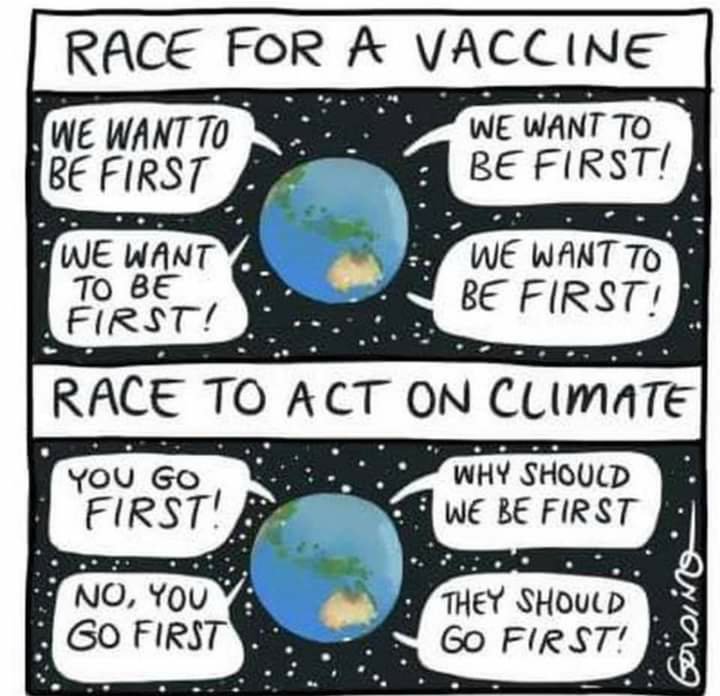
Why did @ShoebridgeMLC @GreensJamieP share meme on #globalwarming as a international public good but vaccine development is as national and private good?
18 Aug 2020 Leave a comment
in applied price theory, energy economics, environmental economics, global warming, health economics, international economics, International law, law and economics, politics - Australia, property rights, Public Choice, public economics Tags: climate alarmists, economics of pandemics, free-riders, game theory, international public goods, vaccines
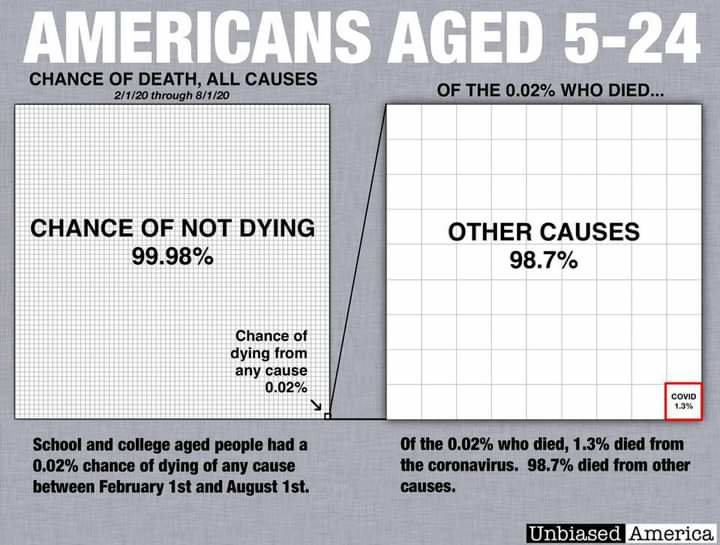
Biggest barrier to a #COVID19 vaccine take-up
11 Aug 2020 Leave a comment
in health economics Tags: economics of pandemics, free-riders, public goods, vaccines
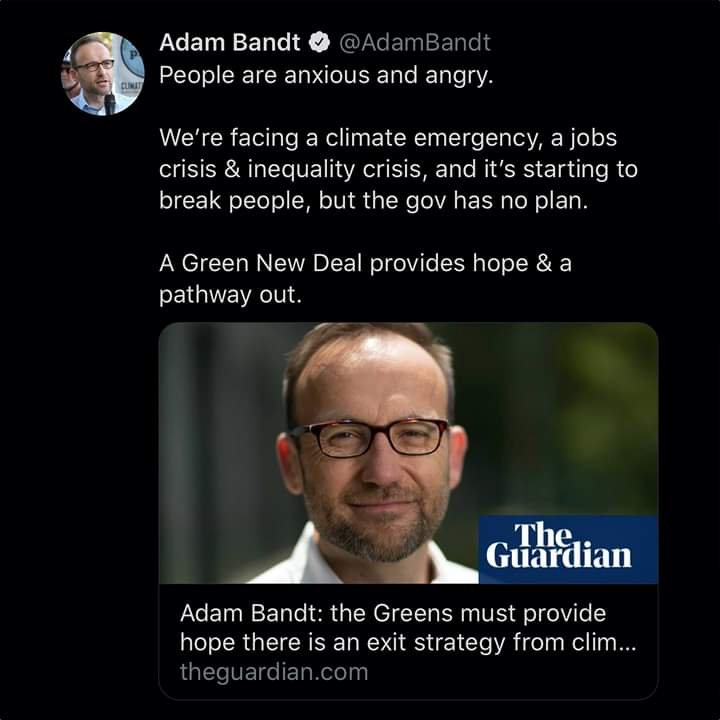
If @Greens’ #greennewdeal was implemented 30-years ago, would #globalwarming be less? #climateemergency
08 Feb 2020 Leave a comment
in energy economics, environmental economics, global warming, politics - Australia Tags: free-riders, international public goods, The fatal conceit
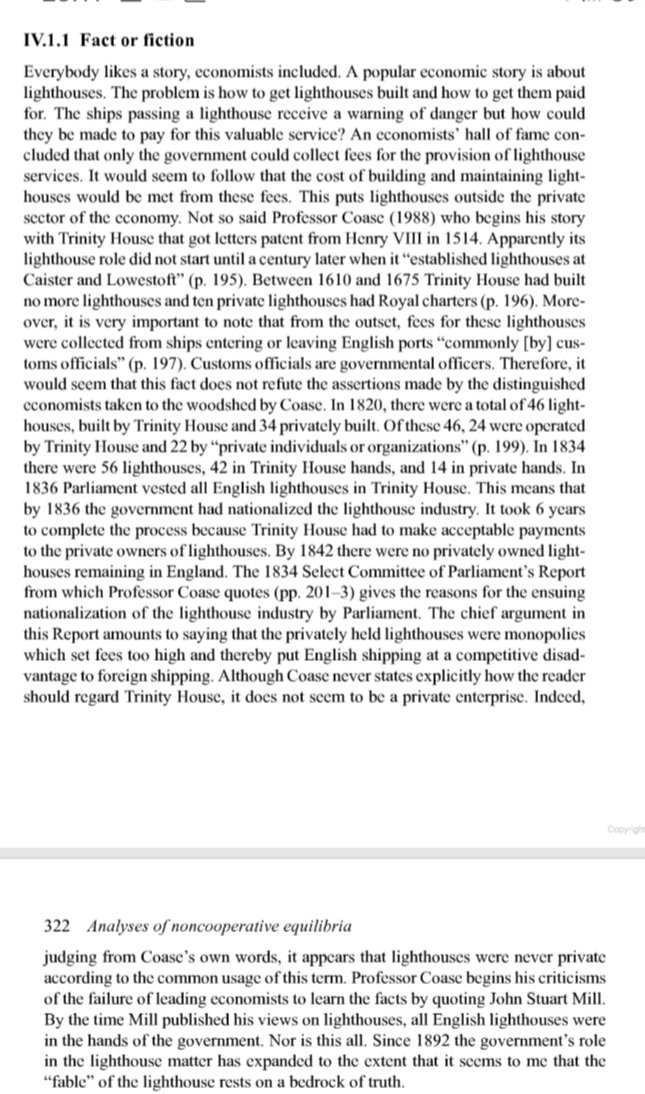
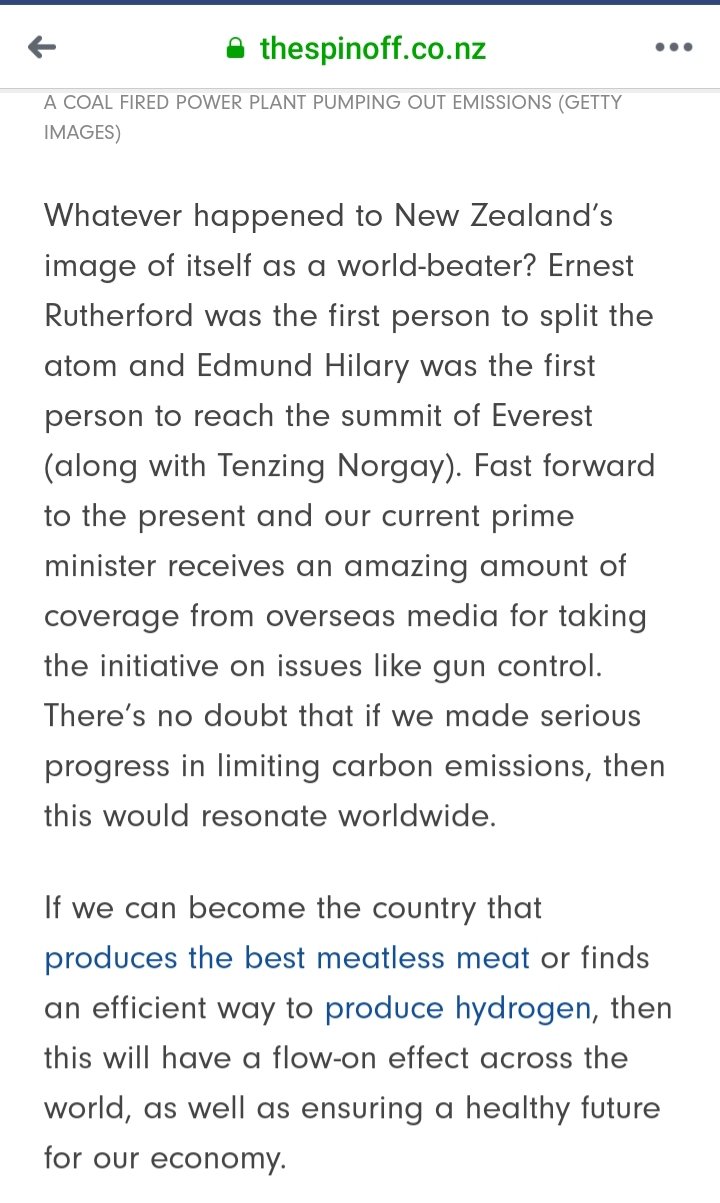
@GarethShute @TheSpinoffTV has no answer to the futility of unilateral action other than fairy dust and veganism is what will inspire the world
05 Jul 2019 Leave a comment
in applied price theory, energy economics, environmental economics, global warming Tags: free-riders, game theory, international public goods
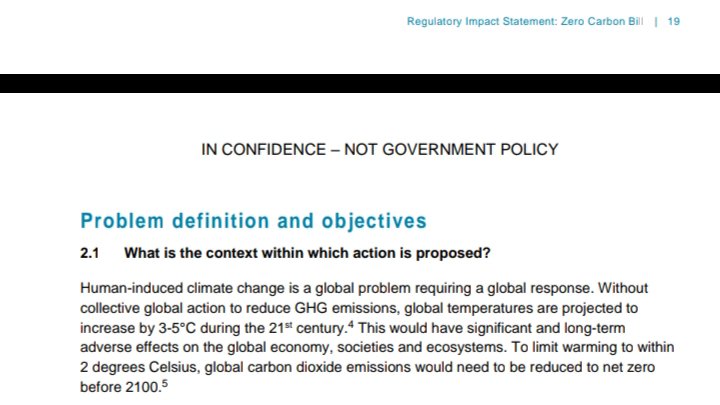
So @mfe_news advised @jamespeshaw that unilateral action is futile. Only global action will help.
08 May 2019 Leave a comment
in applied price theory, applied welfare economics, energy economics, environmental economics, environmentalism, global warming, politics - New Zealand, Public Choice, public economics, resource economics Tags: climate alarmism, free-riders, game theory, international public goods
@GreenpeaceNZ @jamespeshaw The Futility and Farce of Global Climate Negotiations @RichardTol
18 Oct 2015 Leave a comment
in constitutional political economy, development economics, economics of bureaucracy, environmental economics, environmentalism, global warming, growth disasters, growth miracles, international economics, politics - Australia, politics - New Zealand, politics - USA, Public Choice, rentseeking Tags: bootleggers and baptists, climate alarmism, expressive voting, free-riders, global warming, green tariffs, international public goods, Leftover Left, New Zealand Greens, Twitter left
It is time for the environmental movement to face up to the fact that there never will be an international treaty to restrain carbon emissions. The practical way to respond to global warming is healthier is wealthier, richer is safer. Faster economic growth creates more resources for resilience and adaptation to a changing environment.
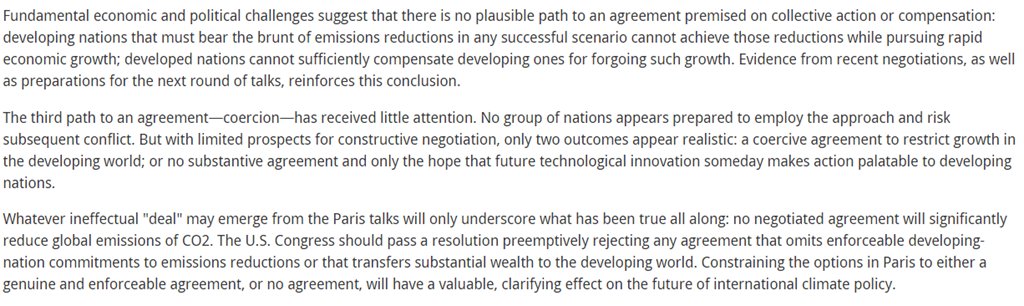
NEW REPORT: The Futility and Farce of Global Climate Negotiations bit.ly/1LvFFv3 http://t.co/TwbFUwaPlm—
Manhattan Institute (@ManhattanInst) October 17, 2015
India's target compared to its recent history http://t.co/pIvwhoSTpL—
Richard Tol (@RichardTol) October 02, 2015
The herd immunity role of #vaccinations explained
16 Sep 2015 Leave a comment
in applied price theory, applied welfare economics, health economics, politics - New Zealand, public economics Tags: Anti-Science left, anti-vaccination movement, best shot public goods, cheap riders, common law, free-riders, good shot public goods, herd immunity, measles, New Zealand Greens, public goods, quackery, tort law, vaccinations, vaccines
Some public goods can be not provided much at all if even a few do not contribute – free ride. These are called weakest shot public goods. The link in the chain is only as strong as the weakest link for some public goods. The fighting against communicable diseases is an example of that.

The classic example given by that brilliant applied price theorist Jack Hirschleifer is a dyke or a levee wall around a town. It is only as good as the laziest person contributing to its maintenance on their part of the levee wall. Vicary (1990, p. 376) lists other examples:
Similar examples would be the protection of a military front, taking a convoy across the ocean going at the speed of the slowest ship, or maintaining an attractive village/landscape (one eyesore spoils the view).
Many instances of teamwork involve weak-link elements, for example moving a pile of bricks by hand along a chain or providing a theatrical or orchestral performance (one bad individual effort spoils the whole effect.)
Another example of weakest shot public goods is community cooperation after disasters. The quality of the public good provided is equal to the contribution of the weakest person who may start a criminal rampage despite the good efforts of everyone else.
 People tend to be more cooperative after natural disasters. They realise their contribution is more important than normal to the maintaining of the social fabric which is currently hanging by a thread.
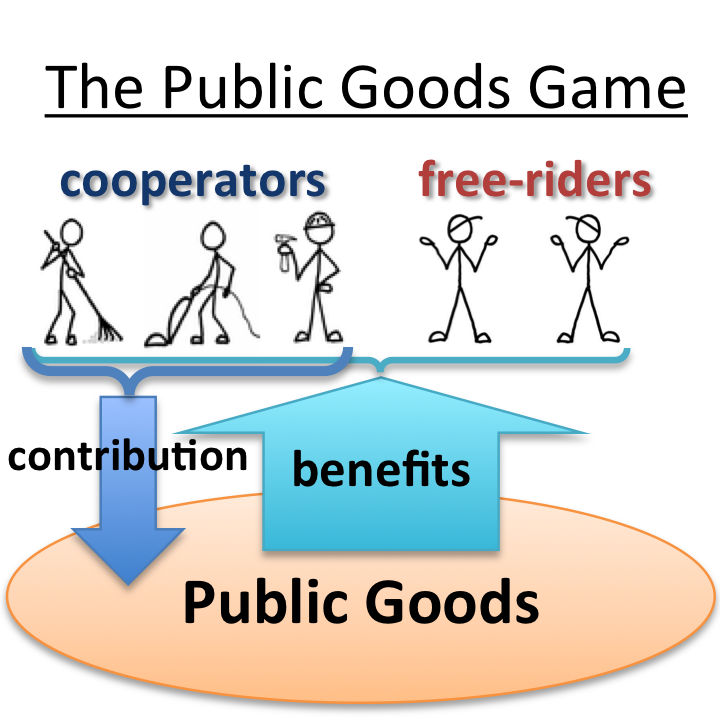
Vaccinations are example of a weakest shot public good. The quality of herd immunity depends fundamentally on just about everybody contributing by getting vaccinated. Not all public goods depend on the some of those contributions made. In some cases just a few people choosing to free ride can greatly undermine the public interest.
The reverse of a weakest shot public good is best shot public goods. Example of this is the development of vaccines themselves. The public good is only as good as the best effort at developing the new vaccine with all the others efforts pointless because the best of the vaccines is chosen.
The most curious people in New Zealand to oppose measures to address the under provision of weakest shot public goods are the New Zealand Greens.
https://twitter.com/KevinHague/status/642505850360213505
The Greens are usually the 1st to stress the importance of communities working together for the common good.
https://twitter.com/KevinHague/status/642530277177192448
Herd immunity protects those who cannot be safely vaccinated including new babies, those for whom the vaccine fails, which occasionally happens, and those with compromised immunity such as adults receiving chemotherapy.
Deliriously hot @guardian sim shows why anti-measles jabs help protect your whole community gu.com/p/45f7e/stw http://t.co/H31ZKbXkqg—
Info=Beautiful (@infobeautiful) February 05, 2015
We are all in this together. It is time for the New Zealand Greens to stop pandering to those are only think of themselves and what a free ride on others including the very sick and new babies.

Source: NOVA | What is Herd Immunity?
Herd immunity requires vaccination rates of about 94%. The near universal vaccination rates required for herd immunity are to smaller margin to pander to an awkward squad who do not want to vaccinate despite the harm they do to others.
Harm to others is grounds and has always been grounds for public policy and public health interventions. Instead, the Greens are anti-science, anti-public health.
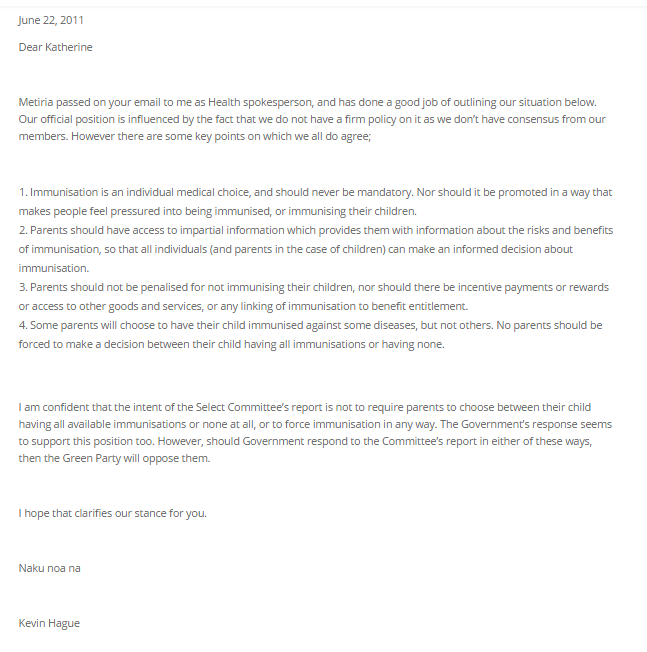
Measles is the most contagious disease known to man. Seven children died in New Zealand in the last measles outbreak in 1991. The dead are already too many from the anti-vaccination quacks and cranks.
Australia announces its futile carbon emissions target
12 Aug 2015 Leave a comment
in applied price theory, applied welfare economics, environmental economics, global warming, politics - Australia, politics - New Zealand, politics - USA, Public Choice, rentseeking Tags: Australia, China, climate alarmism, climate change treaties, free-riders, game theory, global warming, international free riders, international public goods, public goods

What difference did the Kyoto protocol make and that’s before you consider 3rd World development
04 Aug 2015 Leave a comment
in development economics, economic history, energy economics, environmental economics, global warming, growth miracles, politics - Australia, politics - New Zealand, politics - USA Tags: climate alarmism clock, climate treaties, expressive voting, free-riders, Kyoto Protocol, rational ignorance, rational irrationality
Why developing countries aren’t interested in global climate treaties
15 Jul 2015 Leave a comment
in applied welfare economics, development economics, energy economics, environmental economics, global warming, growth disasters, growth miracles Tags: climate alarmists, free-riders, game theory, global climate treaties, Green alarmists, healthier is wealthier, international treaties, richer is safer
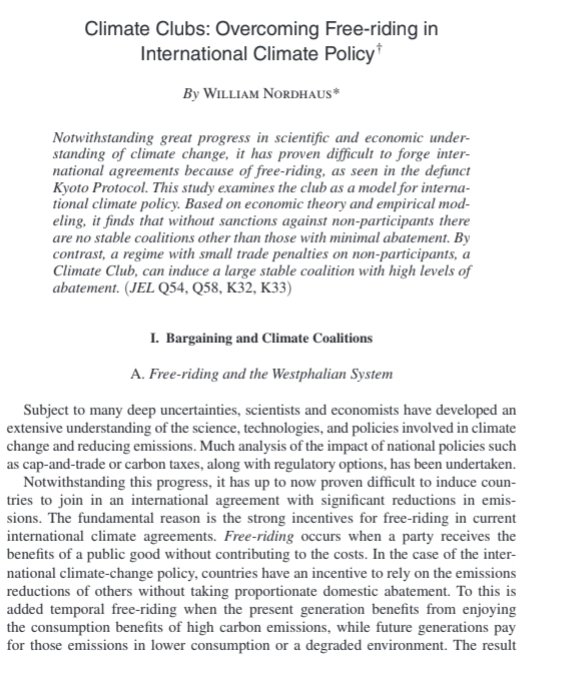
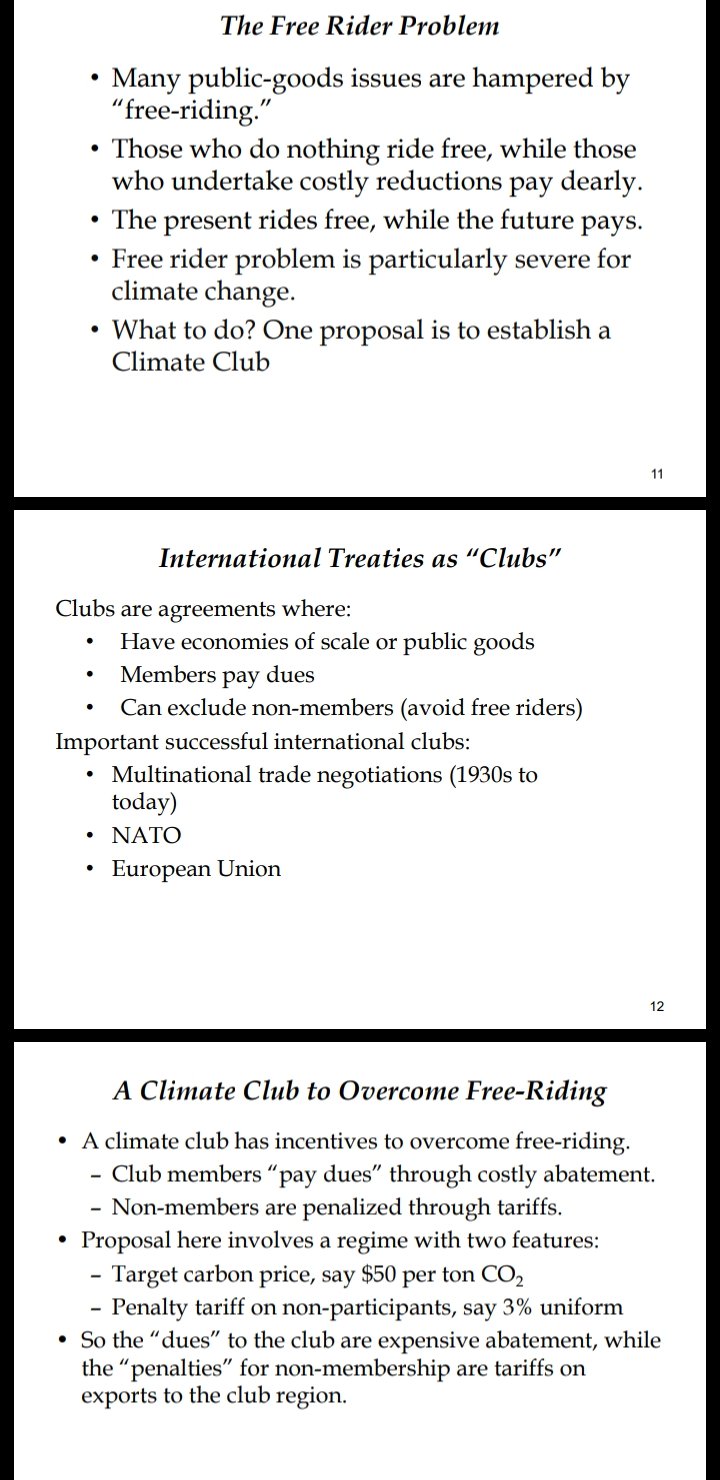
How to argue for doing nothing about global warming when arguing for a climate club enforced by green tariffs!
08 Jun 2015 1 Comment
in environmental economics, global warming, politics - Australia, politics - New Zealand, politics - USA, Public Choice Tags: climate treaties, club goods, free-riders, global warming, green tariffs, international public goods
The best case I’ve seen recently for doing nothing about global warming was put by those arguing with the greatest sincerity and considerable technical skill that the next international climate treaty should be built around a climate club of those that comply with its obligations with green tariffs on those who do not join.
I have long argued that green tariffs are the only reason to do anything about climate change. Much better to collect the revenue ourselves than let it go into the pockets of a foreign taxman.
William Nordhaus has proposed climate clubs as a way of overcoming free riding in international climate negotiations. Specifically, the international climate treaty should authorise members to impose green tariffs on non-members to encourage them to impose their own carbon taxes and carbon emission targets. This has been done before with the Montréal protocol on CFCs. To encourage the phase-out of CFCs countries that did not commit to do so simply could not trade in those goods with members of the club.
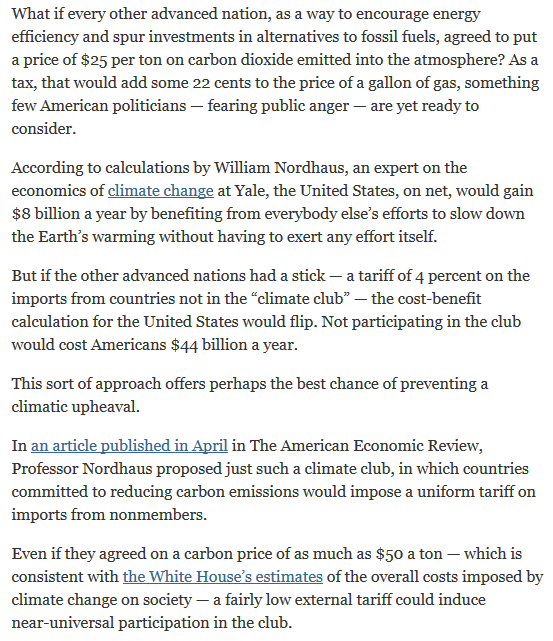
via Climate Deal Badly Needs a Big Stick – NYTimes.com.
4%! A 4% global green tariff is all that is necessary under a climate change treaty that proposes that a carbon price of $50 to apply globally! A 4% green tariff is hardly worth worrying about considering tariffs used to be much much higher than that.
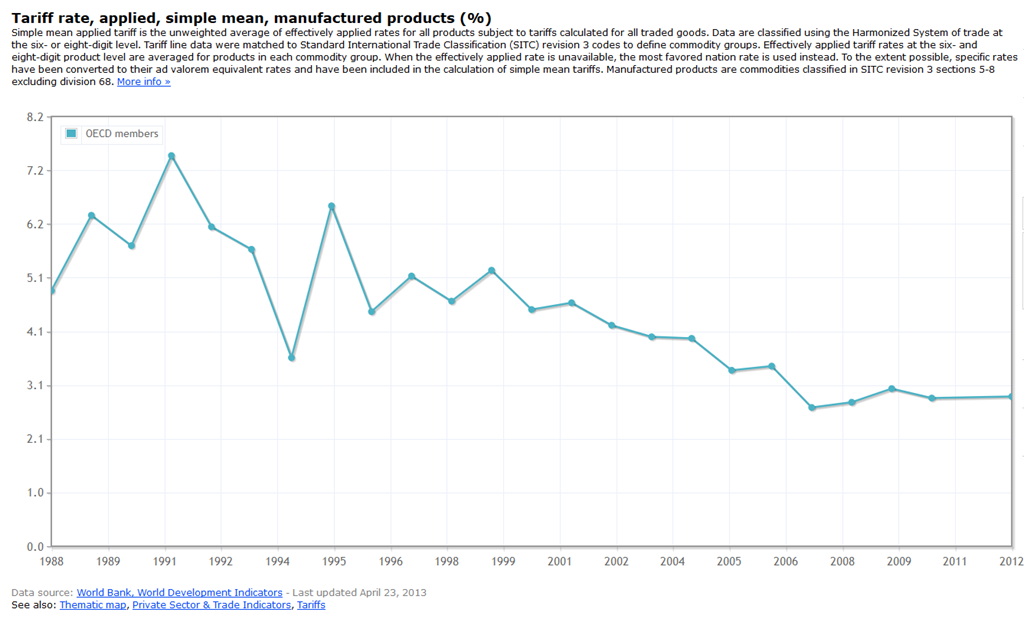
Given all the stories of why woe and doom touted out by the climate alarmists, climate salvation and the keys to environmental heaven should cost much more than 4% tax?! Your sins are forgiven for a 4% green tariff! Big problems such as a climate crisis are not solved with a 4% green tariff.
I think this green tariff of 4% is an own goal. It reinforces the clear message from the economics of climate change that global warming is actually a small economic problem not a large one.
For developed countries, global warming will be at most a minor irritant. For developing countries, their best solution and the solution they have most control over is to develop faster and become a developed country.
 Utopia, you are standing in it!
Recent Comments