Peter Hitchens Laughing at Loony Students
19 Nov 2017 Leave a comment
in liberalism Tags: free speech, political correctness
The Future Belongs to the Blasphemers – a Message from Ex-Muslims
30 Sep 2017 Leave a comment
in economics of religion, liberalism Tags: Age of Enlightenment, free speech, Freedom of religion, political correctness
International blasphemy rights day
30 Sep 2017 Leave a comment
in economics of religion, liberalism Tags: Blasphemy, free speech, Freedom of religion, political correctness

And I defend Chomsky’s right to say USSR was a dungeon with social services
23 Aug 2017 Leave a comment
in liberalism Tags: free speech, political correctness
A kind word for Senator Joe McCarthy after watching the movie Trumbo
23 May 2017 Leave a comment
in constitutional political economy, defence economics, economics of crime, law and economics, liberalism, movies, politics - USA, war and peace Tags: communist party, espionage, free speech, McCarthyism, Red Menace, subversion, war against terror

Source: Bernstein, David, The Red Menace Revisited. Northwestern University Law Review.
The deciphered cables of the Venona Project identify 349 citizens, immigrants, and permanent residents of the United States who had had a covert relationship with Soviet intelligence agencies… Further, American cryptanalysts in the Venona Project deciphered only a fraction of the Soviet intelligence traffic, so it was only logical to conclude that many additional agents were discussed in the thousands of unread messages…
Source: Venona Decoding Soviet Espionage in America By JOHN EARL HAYNES and HARVEY KLEHR Yale University Press 1999, Chapter 1.
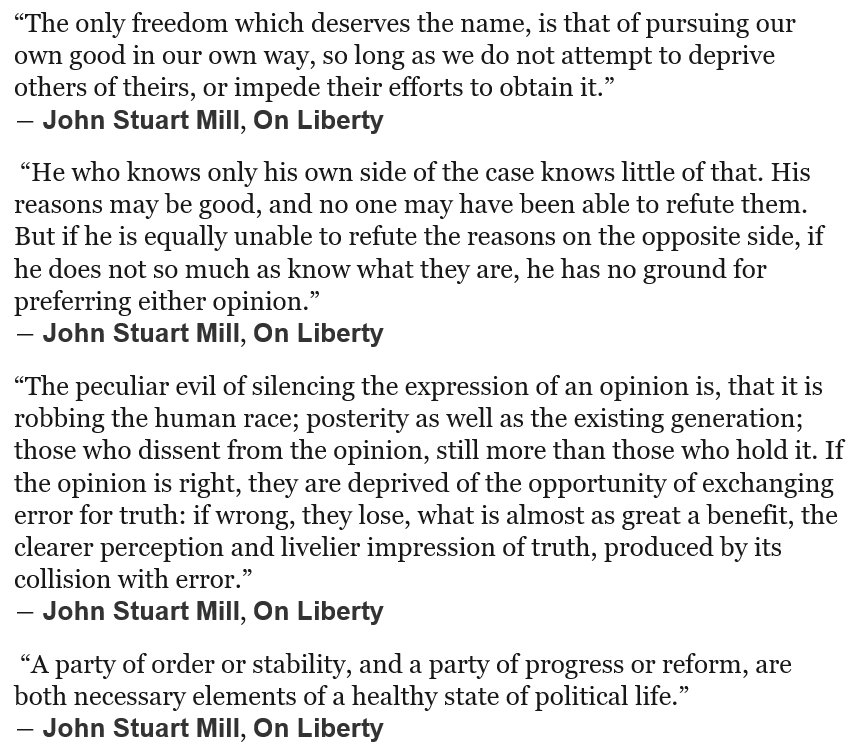
Excellent JS Mill quotes on the market for ideas
21 May 2017 Leave a comment
in liberalism Tags: free speech, JS Mill, political correctness
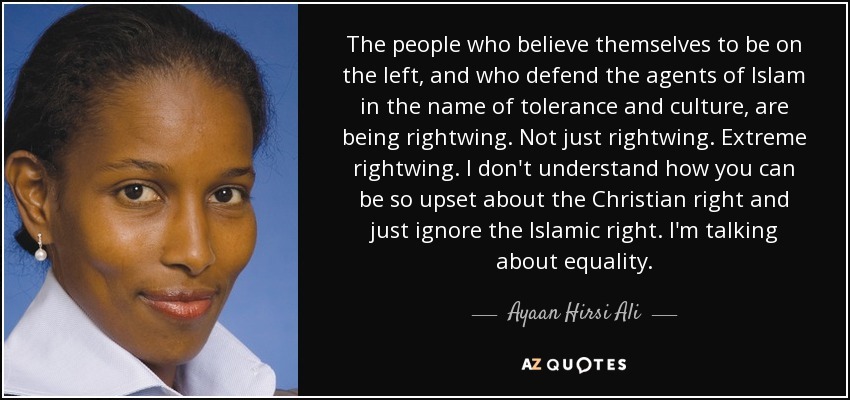
Is it wise for @JanLogie to side with the old puritans? Your enemy’s enemy are still your enemies
12 Apr 2017 Leave a comment
in liberalism, politics - New Zealand, politics - USA Tags: Censorship, feminism, free speech, New Zealand Greens, political correctness, pornography, puritanism
Indianapolis justifies the ordinance on the ground that pornography affects thoughts. Men who see women depicted as subordinate are more likely to treat them so. Pornography is an aspect of dominance. [note 1] It does not persuade people so much as change them. It works by socializing, by establishing the expected and the permissible. In this view pornography is not an idea; pornography is the injury. There is much to this perspective. Beliefs are also facts. People often act in [329] accordance with the images and patterns they find around them. People raised in a religion tend to accept the tenets of that religion, often without independent examination. People taught from birth that black people are fit only for slavery rarely rebelled against that creed; beliefs coupled with the self-interest of the masters established a social structure that inflicted great harm while enduring for centuries. Words and images act at the level of the subconscious before they persuade at the level of the conscious. Even the truth has little chance unless a statement fits within the framework of beliefs that may never have been subjected to rational study.
Therefore we accept the premises of this legislation. Depictions of subordination tend to perpetuate subordination. The subordinate status of women in turn leads to affront and lower pay at work, insult and injury at home, battery and rape on the streets. [note 2] In the language of the legislature, “pornography is central in creating and maintaining sex as a basis of discrimination. Pornography is a systematic practice of exploitation and subordination based on sex which differentially harms women. The bigotry and contempt it produces, with the acts of aggression it fosters, harm women’s opportunities for equality and rights [of all kinds].” Indianapolis Code § 16-1(a)(2).
Yet this simply demonstrates the power of pornography as speech. All of these unhappy effects depend on mental intermediation. Pornography affects how people see the world, their fellows, and social relations. If pornography is what pornography does, so is other speech. Hitler’s orations affected how some Germans saw Jews. Communism is a world view, not simply a Manifesto by Marx and Engels or a set of speeches. Efforts to suppress communist speech in the United States were based on the belief that the public acceptability of such ideas would increase the likelihood of totalitarian government. Religions affect socialization in the most pervasive way. The opinion in Wisconsin v. Yoder, 406 U.S. 205, 32 L. Ed. 2d 15, 92 S. Ct. 1526 (1972), shows how a religion can dominate an entire approach to life, governing much more than the relation between the sexes. Many people believe that the existence of television, apart from the content of specific programs, leads to intellectual laziness, to a penchant for violence, to many other ills. The Alien and Sedition Acts passed during the administration of John Adams rested on a sincerely held belief that disrespect for the government leads to social collapse and revolution–a belief with support in the history of many nations. Most governments of the world act on this empirical regularity, suppressing critical speech. In the United States, however, the strength of the support for this belief is irrelevant. Seditious libel is protected speech unless the danger is not only grave but also imminent. See New York Times Co. v. Sullivan, 376 U.S. 254, 11 L. Ed. 2d 686, 84 S. Ct. 710 (1964); cf. Brandenburg v. Ohio, supra; New York [330] Times Co. v. United States, 403 U.S. 713, 29 L. Ed. 2d 822, 91 S. Ct. 2140 (1971).
Racial bigotry, anti-semitism, violence on television, reporters’ biases–these and many more influence the culture and shape our socialization. None is directly answerable by more speech, unless that speech too finds its place in the popular culture. Yet all is protected as speech, however insidious. Any other answer leaves the government in control of all of the institutions of culture, the great censor and director of which thoughts are good for us.
Source: American Booksellers Association v. Hudnut (7th Cir. 1985)


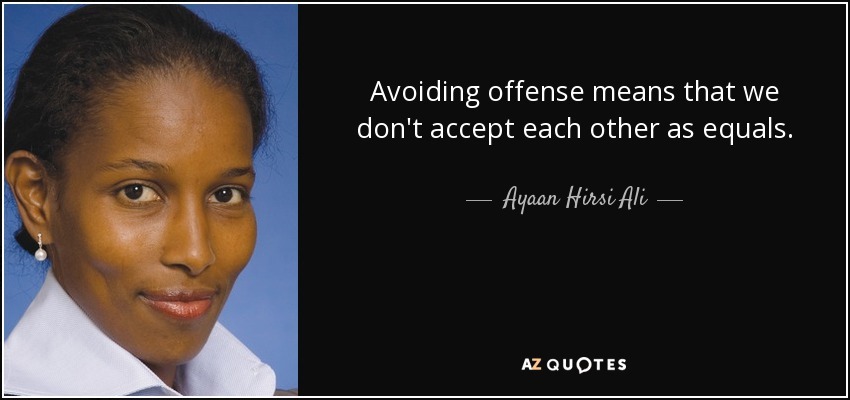
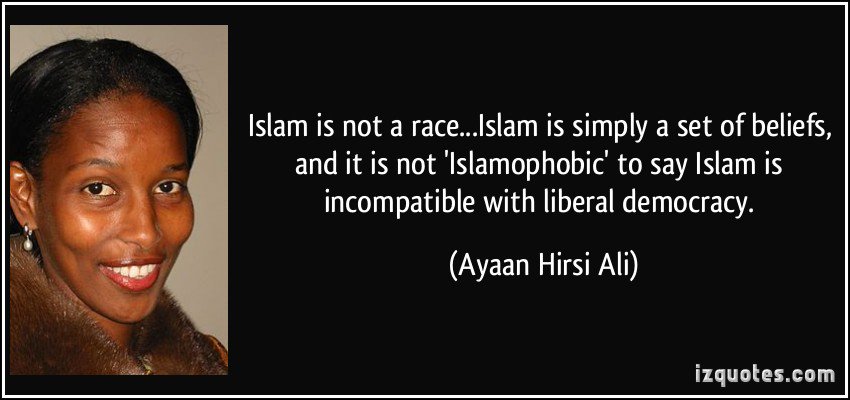
Islamists are not the first to be told where to get off
09 Apr 2017 Leave a comment
in economic history, economics of religion, liberalism Tags: Age of Enlightenment, free speech, political correctness
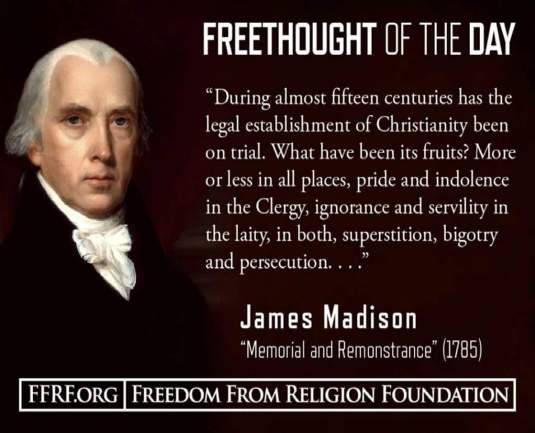
The groups that hide behind 18c
30 Mar 2017 Leave a comment
in liberalism, politics - Australia Tags: free speech, political correctness
 Utopia, you are standing in it!
Recent Comments