Rivers in India
14 Jun 2024 Leave a comment
in development economics, growth disasters, growth miracles, health economics Tags: India, water pollution
International Comparisons with a PPP Metric
13 Jun 2024 Leave a comment
in applied price theory, development economics, economic growth, economic history, growth miracles, macroeconomics Tags: China, India

If you are someone from a high-income country, or even just a high-income city, and you travel to other places, you are familiar with finding that, at least sometimes, many items are considerably cheaper in the low-income country: food and meals, entertainment and even health care. As a result, $100 of buying power in the…
International Comparisons with a PPP Metric
On electing gangsters
10 Jun 2024 Leave a comment
in comparative institutional analysis, development economics, economic history, economics of bureaucracy, economics of crime, growth disasters, growth miracles, income redistribution, law and economics, Public Choice, rentseeking Tags: economics of corruption, India
In India it’s common for politicians to have criminal cases against them. Why do voters vote for criminals? One compelling explanation provided by political scientist Milan Vaishnav is that voters often care less about their represntative’s ability to deliver broad-based development or draft good laws, and more about the effectiveness at helping them access limited […]
Haan, goonda hai, magar hamara goonda hai
India, Dependency, and the 17th Theorem of Government
28 May 2024 Leave a comment
in applied price theory, development economics, economic history, financial economics, growth disasters, growth miracles, income redistribution, macroeconomics, Public Choice, public economics, rentseeking Tags: India

I released my First Theorem of Government in 2015 and today I’m going to unveil the 17th iteration in the series. But I’ll confess upfront that I’m doing a bit of recycling. My latest Theorem is very similar to something I shared back in 2014. I decided to upgrade my 2014 column to a Theorem […]
India, Dependency, and the 17th Theorem of Government
A boom
22 Jan 2024 Leave a comment
in development economics, economic history, entrepreneurship, financial economics, growth disasters, growth miracles Tags: India

📸 Look at this post on Facebook
https://www.facebook.com/share/utqMWmwSv6CsNYNR/?mibextid=RXn8sy
India Determined To Increase Coal Output
01 Jan 2024 Leave a comment
in development economics, energy economics, environmental economics, global warming, growth disasters, growth miracles Tags: India

By Paul Homewood h/t Dennis Ambler This is in the latest edition of World Coal While growth in coal production slows gradually across the globe, India is setting itself apart from other countries, with its ambitions to aggressively increase its output.
India Determined To Increase Coal Output
Economic Progress and Fossil Fuels: The Elephant in the Room at U.N. Climate Conference
05 Dec 2023 Leave a comment
in development economics, energy economics, environmental economics, global warming, growth disasters, growth miracles Tags: India
The reality of economic imperatives, however, will eventually expose the folly of decarbonization plans.
Economic Progress and Fossil Fuels: The Elephant in the Room at U.N. Climate Conference
COP28: India doubles down on right to increase coal power and CO2 emissions
01 Dec 2023 Leave a comment
in development economics, energy economics, environmental economics, global warming, growth disasters, growth miracles Tags: India

“India cannot survive without coal as it has no other options.” The post COP28: India doubles down on right to increase coal power and CO2 emissions first appeared on Watts Up With That?.
COP28: India doubles down on right to increase coal power and CO2 emissions
How Cheap & Reliable Coal-Fired Power Drove India From Poverty to The Moon
16 Sep 2023 Leave a comment
in development economics, energy economics, environmental economics, global warming, growth disasters, growth miracles Tags: India, moon landings, space
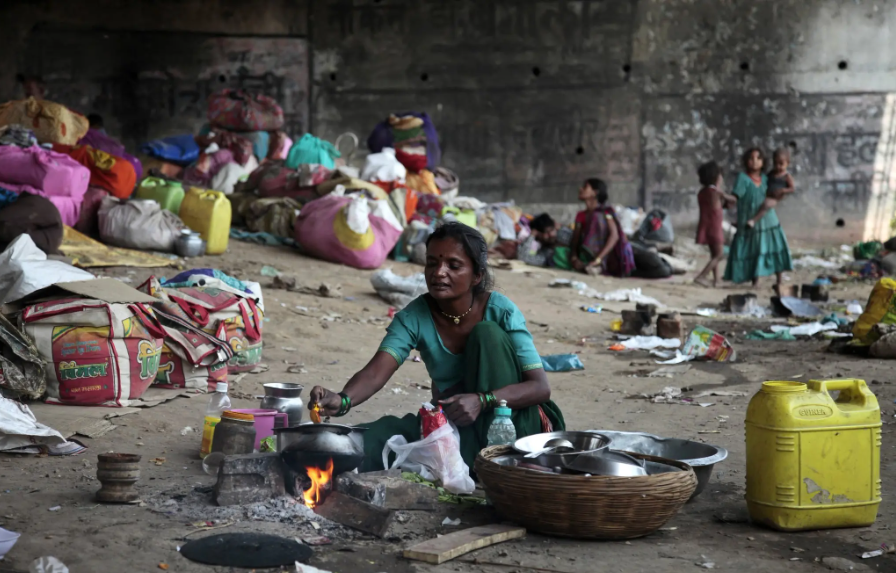
Coal-fired power is at the heart of India’s mission to lift millions out of poverty. India has 285 plants with a capacity of 211GW already operating; it’s currently building a further 30GW of coal-fired generation capacity, with a further 35GW in pre-construction stages. A visit to India shows how serious it is about serious power […]
How Cheap & Reliable Coal-Fired Power Drove India From Poverty to The Moon
India has a criminal infested parliament
06 Aug 2023 Leave a comment
in development economics, economics of crime, growth disasters, growth miracles, law and economics Tags: India

Why did the world let India annex Goa?
21 Feb 2023 Leave a comment
in defence economics, economic history, International law Tags: India
Population bombs
07 Feb 2023 Leave a comment
in development economics, economic history, labour economics, labour supply, population economics Tags: ageing population, China, India, population bomb, The fatal conceit
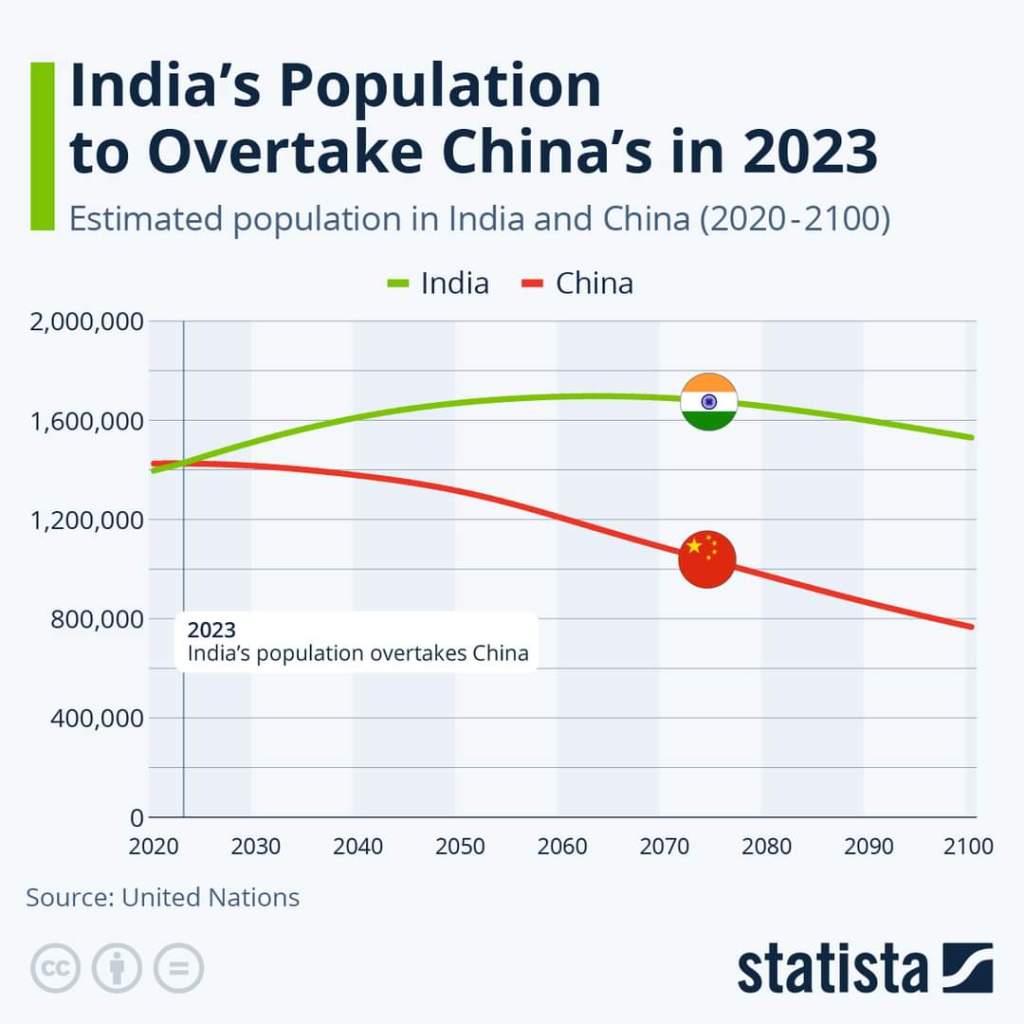
fb://photo/5756323937813370?set=a.168793176566502&sfnsn=mo&mibextid=6aamW6
Interesting Maps of India That Teach You About The Country
28 Nov 2021 Leave a comment
in economic history Tags: India, maps
 Utopia, you are standing in it!
Recent Comments