Immigration to Israel since its Declaration of Independence in 1948
30 Sep 2016 Leave a comment
in economic history Tags: economics of immigration, Israel
Bill Maher on the U.N. & Israel
19 Aug 2016 Leave a comment
in defence economics, economics, economics of crime, law and economics Tags: Israel, Left-wing hypocrisy, Middle-East politics, UN, war on terror
Gaza’s border with Egypt? #EndGazaBlockade
04 Jun 2016 Leave a comment
in defence economics, laws of war, war and peace Tags: Egypt, Gaza blockade, Gaza Strip, Israel, Middle-East politics, war against terror
Oxfam inadvertently left the neighbour on the western border of Gaza off the map in its YouTube clip but not on its eastern border. An honest mistake despite the Arab Spring drawing the attention of Egypt and its politics to everyone’s ears including ODA activists.

The Gaza Strip has two borders: both Egypt and Israel restrict trade with the Gaza. Through this honest mistake in map reading, Oxfam blames Gaza’s problems on the Israeli blockade. I am sure it will correct its position once it reads a map such as the one adjacent which is identical to that in its YouTube clip in all but one detail. It has all of the Gaza’s neighbours on it.
We're currently helping ~700k people in #Gaza affected by Israeli blockade: oxf.am/gaza-crisis #EndGazaBlockade https://t.co/4BWdGDqo2F—
Oxfam International (@Oxfam) June 04, 2016
Any blockade of Israel of the Gaza Strip is not grounds to attack Israel because it can always trade across its border with Egypt but Hamas backed the wrong side in the recent Egyptian presidential election.
After the military coup, the military leaders closed 95% of the tunnels that connected Egypt to Gaza. In 2013-2014, Egypt’s military has destroyed most of the 1,200 tunnels which were used to smuggle food, weapons and other goods into Gaza, including flooding them with sewage. Egypt is setting-up a 13-mile buffer zone with the Gaza Strip. The includes clearing 10,000 residents from 800 houses.
Hamas derived 40% of its tax revenue from tariffs on goods that flow through those tunnels with Egypt. One estimate puts the economic losses at nearly a fifth of Gazan GDP.
The Israeli blockade of the Gaza may have something to do with Gaza firing missiles randomly at civilian targets in Israel. Hamas now murders Israeli citizens in the street in knife attacks.
The Gaza strip may have political differences with the Egyptian military dictators but it is not actually committing acts of war against them.
There is no good reason why Oxfam is not protesting against Egypt’s blockade of the Gaza in the same way they protest against breaches of international law involved in the Israeli blockade!Passing references to the Egyptian blockade in press releases is not enough.
No peace convoys attempt to break the Egyptian blockade. Plenty were launched against Israel. One reason is the Egyptians are rough customers. There is rule of law in Israel, none in Egypt.
Israel: The World’s Most Moral Army
19 Apr 2016 Leave a comment
in defence economics, economics, war and peace Tags: Israel, laws of war
The great Palestinian lie
06 Feb 2016 Leave a comment
in defence economics, International law, war and peace Tags: Gaza Strip, Israel, Palestine
Map of Palestine from a 1947 issue of National Geographic
12 Oct 2015 Leave a comment
Map of Palestine from a 1947 issue of National Geographic. http://t.co/jA1niGLMin—
Historical Pics (@HistoricalPics) October 11, 2014
RT @jeremycorbyn your friends in Hamas think stabbing a baby is heroic
05 Oct 2015 Leave a comment
in laws of war, war and peace Tags: British politics, Gaza Strip, Hamas, Israel, Middle-East politics, war on terror
To Hamas, all Israelis are "settlers." Here's their response today to murder of 2 Jerusalem men & stabbing of a baby http://t.co/SAmXXqhAK2—
Yair Rosenberg (@Yair_Rosenberg) October 04, 2015
Israel outdoes Canada in venture capitalism
10 Aug 2015 Leave a comment
in entrepreneurship, financial economics, industrial organisation, managerial economics, organisational economics, survivor principle Tags: creative destruction, Israel, venture capital
Some of our enemies are fighting our other enemies, whom we want to lose
26 Jul 2015 1 Comment
in war and peace Tags: Gaza Strip, Iran, Iraq, ISIS, Israel, Middle-East politics, Syria, war against terror
"Some of our enemies are fighting our other enemies, whom we want to lose." http://t.co/JDP1UbyZWr—
William Easterly (@bill_easterly) September 25, 2014
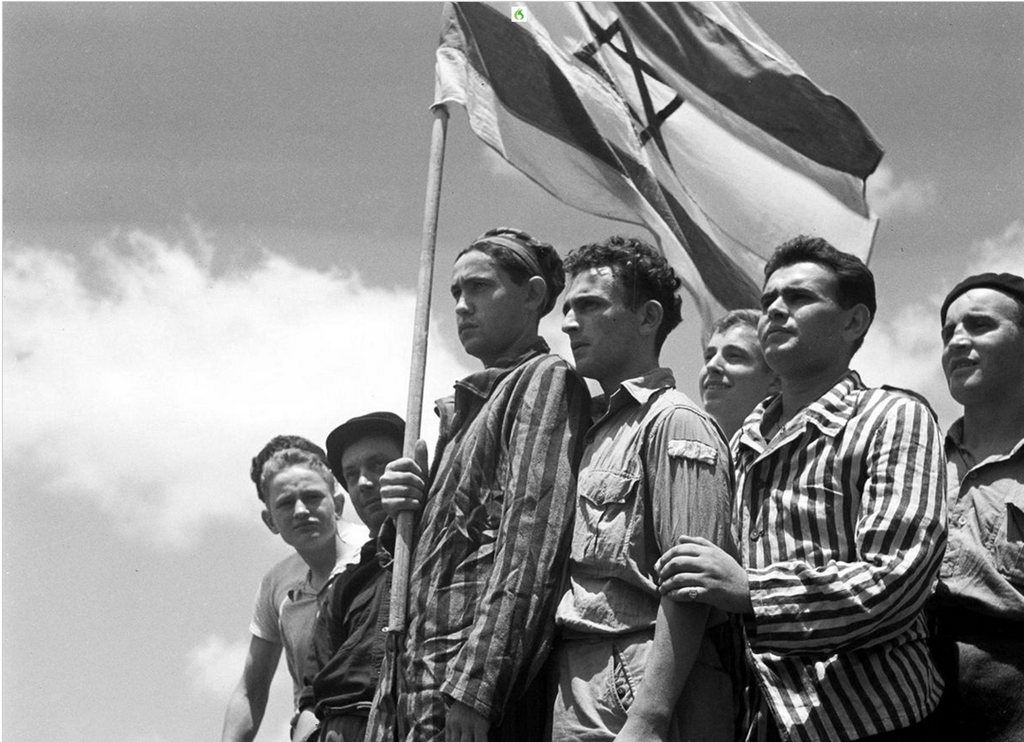
Jewish survivors of the Buchenwald concentration camp, some still in their camp clothing on the deck of the refugee ship Mataroa, July 15, 1945, Haifa port
15 Jul 2015 Leave a comment
in laws of war, war and peace Tags: Israel, The Holocaust
The track record of the United Nations Human Rights Council
13 Jul 2015 Leave a comment
in International law, laws of war, war and peace Tags: Gaza Strip, Hamas, Israel, Left-wing hypocrisy, United Nations
Haredi Jews and employment
05 Jul 2015 Leave a comment
in economics of religion, labour economics, labour supply, occupational choice Tags: economics of identity, female labour force participation, Israel, male labour force participation
Haredi Jews and employment: Eat, pray, don’t work econ.st/1QVeL48 http://t.co/gxTI56rrTv—
The Economist (@EconEconomics) June 27, 2015
 Utopia, you are standing in it!
Recent Comments