I picked up The Post this morning to find the lead story headlined “Recession hits homes harder than businesses”, reporting a speech given earlier this week by Treasury’s deputy secretary and chief economic adviser Dominick Stephens. There was an account of the same speech, but with some different material, on BusinessDesk a couple of days […]
Government departments are now all required by law to write and publish a Long-term Insights Briefing at least every three years. and they have to consult the public on both choice of topic and the draft report The Public Service Commission gives its take on these provisions here Count me more than a little sceptical. […]
The Minister of Housing’s ambition is to reduce markedly the ratio of house prices to household incomes. If his strategy works it would transform the housing market, dramatically changing the prospects of housing as an investment. Brian Easton writes – Leaving aside the Minister’s metaphor of ‘flooding the market’ I do not see how the […]
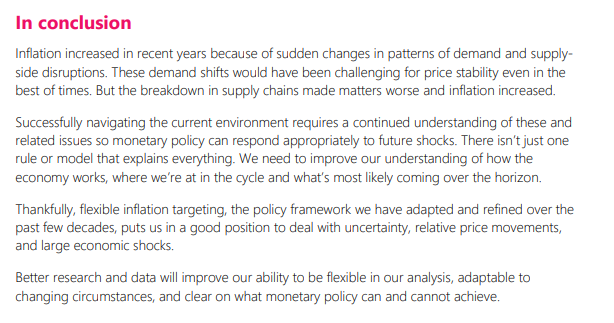
I was away when Reserve Bank chief economist Paul Conway gave his recent speech, “The road back to 2% inflation”, and since I didn’t see any material commentary on it I didn’t bother going back to it when I got home. But my son – honours student researching monetary policy (anyone wanting a young economist […]
By Timothy Cogley. He was then at the Federal Reserve Bank of San Francisco (1999). He is now at New York University. “In recent years, a number of economists have expressed concern that the stock market is overvalued. Some have compared the situation with the 1920s, warning that the market may be headed for a…
I put a range of charts on Twitter late last week illustrating why, from a macroeconomic perspective, I found the government’s Budget deeply underwhelming. I won’t repeat them but will just show two here. The first is the Treasury’s estimate of how the bit of the operating deficit not explained just by swings in the […]
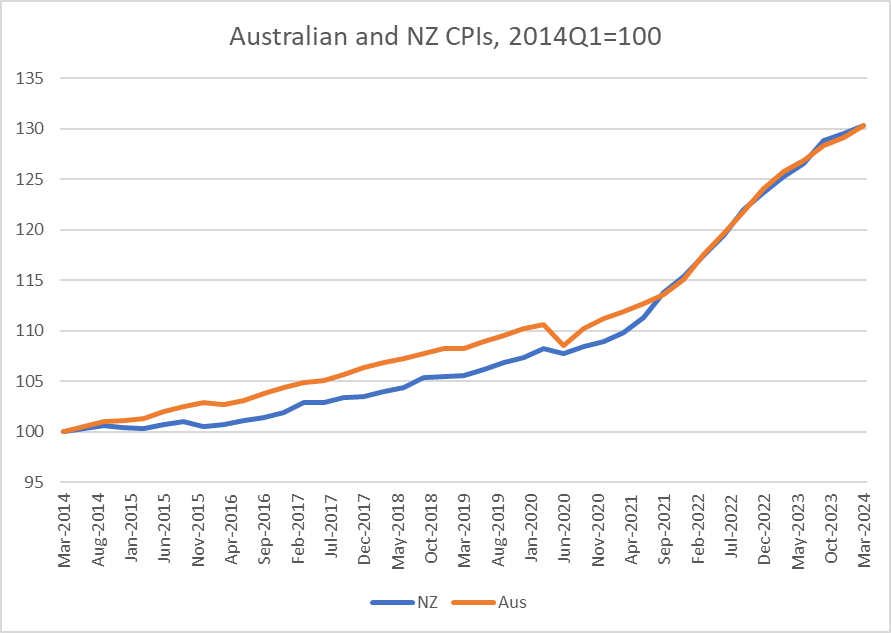
Michael Reddell writes – I got curious yesterday about how the Australia/New Zealand real exchange rate had changed over the last decade, and so dug out the data on the changes in the two countries’ CPIs. Over the 10 years from March 2014 to March 2024, New Zealand’s CPI had risen by 30.3 per cent […]
Reading the new Nicholas Wapshott book and also Krugman’s review (NYT) of it, it all seemed a little too rosy to me. So I went back and took a look at Paul Samuelson the macroeconomist. I regret that I cannot report any good news, in fact Samuelson was downright poor — you might say awful […]
Standard models watched by economists at the Federal Reserve and elsewhere suggest that rates should now be lowerBy Justin Lahart of The WSJ. Excerpt:”So where should rates be? There has been a lot of focus recently on the long-term neutral rate—the just-right level of rates for when inflation is at the Fed’s 2% target, and…
I’ve been rather tied up with other stuff for the last few weeks (including here) which is why I’ve not previously gotten round to writing about the first piece of monetary policy communications from our Reserve Bank this year. That was the “speech” by the Bank’s chief economist (and MPC) member Paul Conway given to […]
Regular readers will recall that I have, intermittently, been on the trail of the approach taken to the selection (and rejection) of external MPC members when the current crop were first appointed in 2019. I have been pursuing the matter since a highly credible person who was interested in being considered for appointment told me that […]
That is the topic of my latest Bloomberg column, I thought it was time to call out all the Orwellian rewriting of intellectual history going on, so here goes: As Treasury Secretary Janet Yellen said last week: “So many economists were saying there’s no way for inflation to get back to normal without it entailing a […]
The Herald ran an op-ed yesterday under the heading “Why the Government’s new Reserve Bank mandate may lead to worse outcomes”. It was written by Toby Moore who served as an economic adviser in Grant Robertson’s office while he was Minister of Finance (a fact the Herald chose not to disclose to its readers). I’m more […]
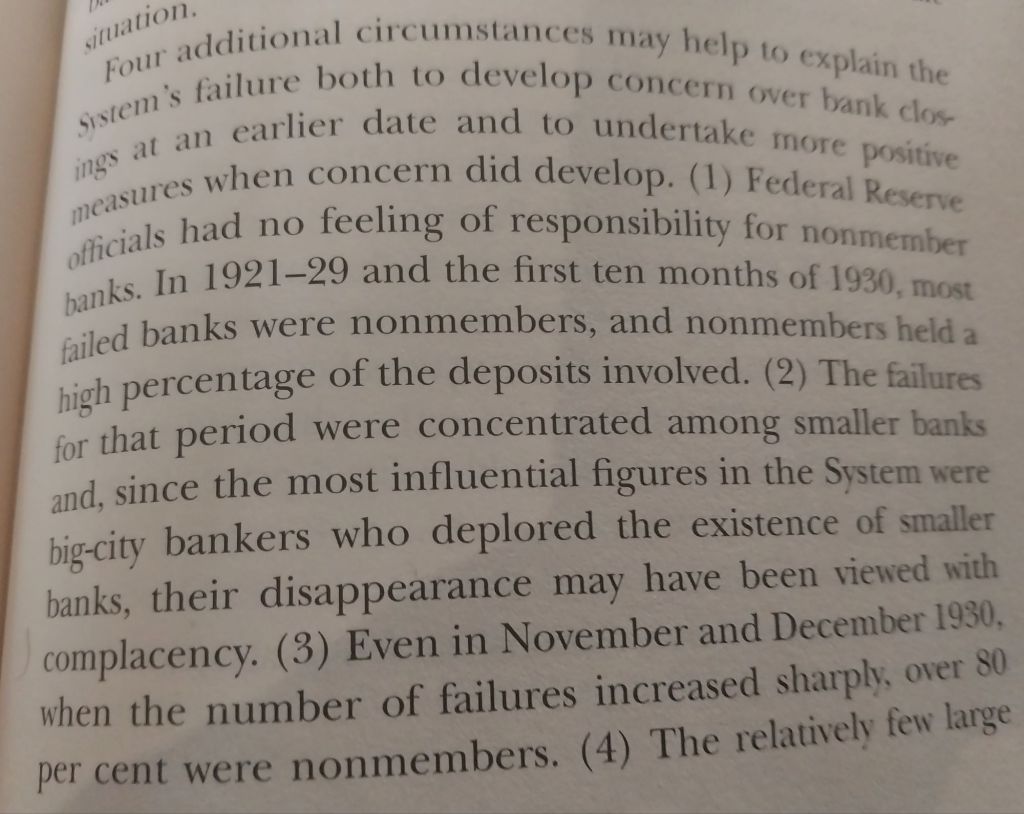
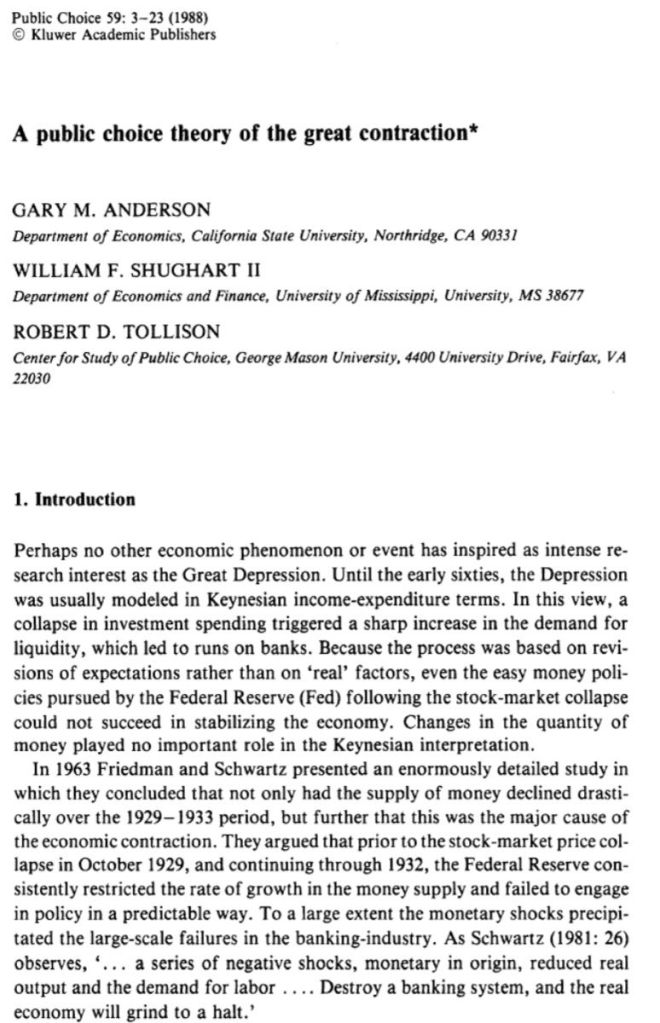
Robert Hetzel, a distinguished historian of monetary theory and of monetary institutions, deployed his expertise in both fields in his recent The Federal Reserve: A New History. Hetzel’s theoretical point departure is that the creation of the Federal Reserve System in 1913 effectively replaced the pre-World War I gold standard, in which the value […]
Why Evolution is True is a blog written by Jerry Coyne, centered on evolution and biology but also dealing with diverse topics like politics, culture, and cats.
“We do not believe any group of men adequate enough or wise enough to operate without scrutiny or without criticism. We know that the only way to avoid error is to detect it, that the only way to detect it is to be free to inquire. We know that in secrecy error undetected will flourish and subvert”. - J Robert Oppenheimer.




 Utopia, you are standing in it!
Recent Comments