#Manila too busy recycling to make water safe to drink
29 Dec 2016 Leave a comment
in environmental economics, health economics Tags: Philippines, public health, recycling

@Greenpeace thugs vandalise golden rice trial in #Pinas
02 Jul 2016 Leave a comment
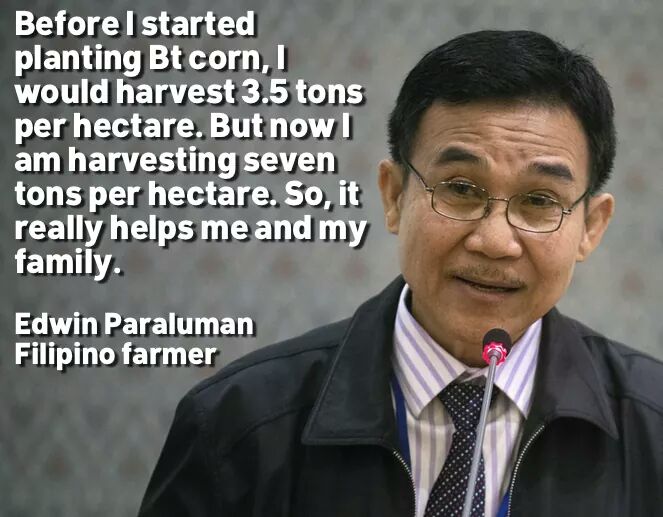
in development economics, economics, environmental economics, environmentalism, health economics Tags: Anti-Science left, GMOs, Greenpeace, Philippines, terrorism
How did Pinoy billionaires make their money?
18 Feb 2016 1 Comment
in applied welfare economics, economic history, entrepreneurship, financial economics, industrial organisation Tags: billionaires, entrepreneurial alertness, Philippines, superstars, top 1%
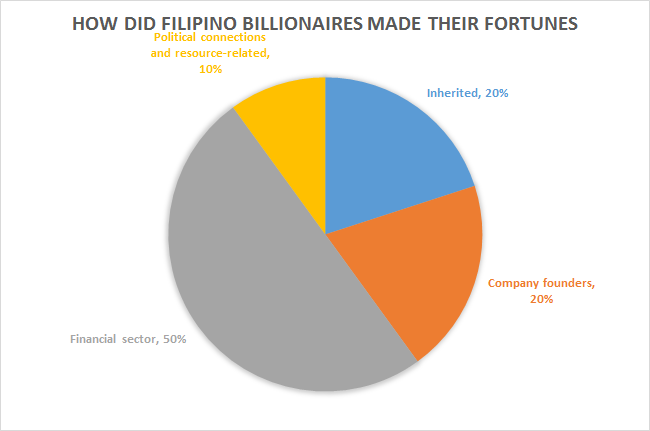
A surprisingly large number of Filipino billionaires are in the financial sector.
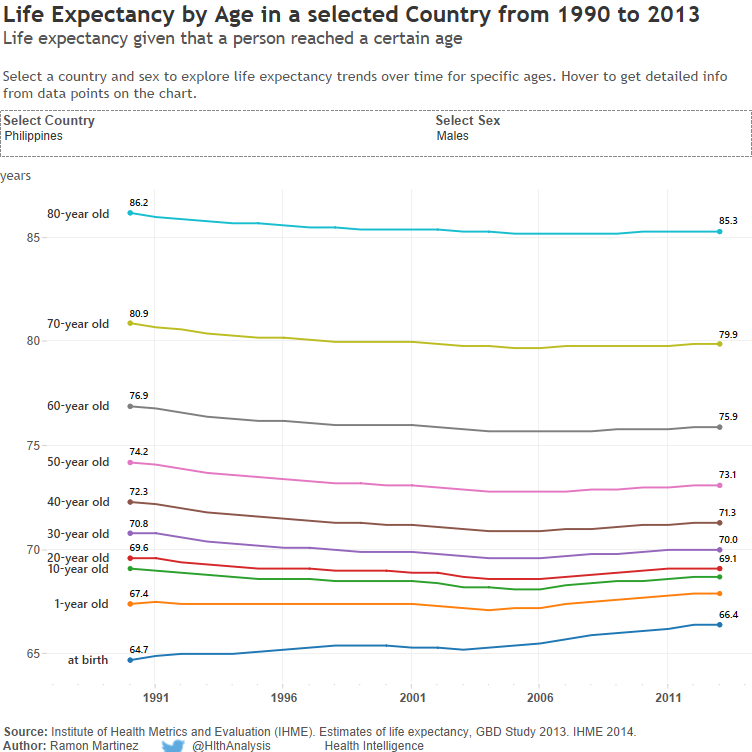
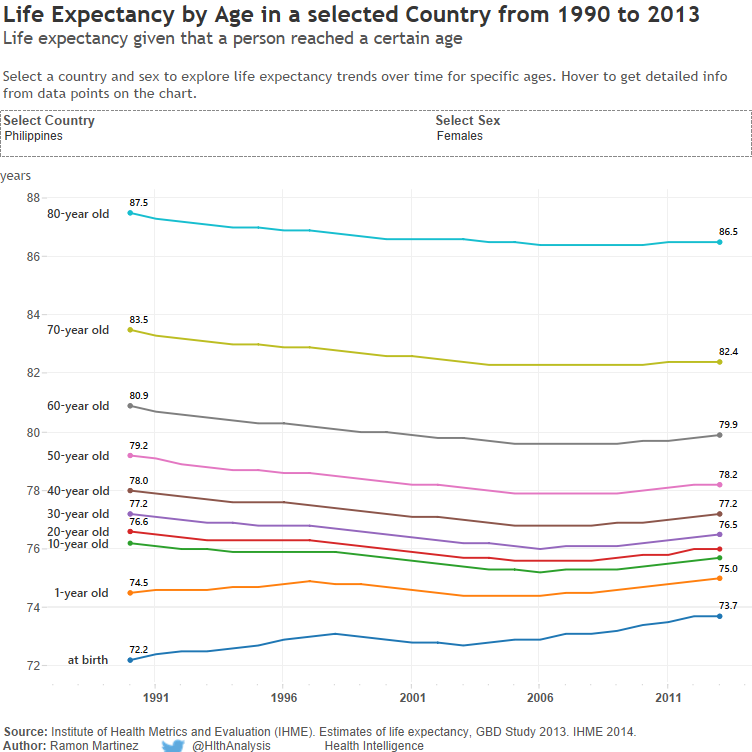
Pinoy life expectancies by age and gender, 1990 to 2013
22 Aug 2015 Leave a comment
in development economics, economic history, health economics Tags: life expectancies, Philippines, The Great Escape
Corruption index for south-east Asia
04 Jul 2015 Leave a comment
in development economics, growth disasters, growth miracles, rentseeking Tags: bribery and corruption, China, Indonesia, Philippines
Corruption in Indonesia: Jokowi’s arduous task in cleaning up the government econ.st/1FJ3sS0 http://t.co/1myuRbwoXK—
The Economist (@EconBizFin) June 11, 2015
Why a country’s average height is a good way of measuring its development | The Guardian
31 Mar 2015 Leave a comment
in development economics, growth disasters, growth miracles, health economics Tags: economics of physiology, Hong Kong, Japan, Philippines, Singapore, South Korea

I spotted this 20 years ago when I first travelled in Asia and then lived Japan for two years. In Japan in 1995, each generation of Japanese was head and shoulders taller than the last. In the Philippines, I could look over the crowd – it was great to be tall.

No more, no longer. In the Philippines, young Filipinos are often almost as tall as me.

When I visited Hong Kong recently, both the young Chinese men and women were a bit taller than me at McDonald’s. I am average height for my generation of Australian men.

via Why a country’s average height is a good way of measuring its development | News | The Guardian.
Filipinos love social networking more than any other country
20 Mar 2015 Leave a comment
in development economics, economics of media and culture, growth miracles Tags: creative destruction, Philippines, technology diffusion

How much does it cost to run for Congress in the Philippines?
01 Mar 2015 Leave a comment
in development economics, law and economics Tags: bribery and corruption, campaign finance reform, Philippines, political campaign
A candidate for Congress or for mayor in the Philippines has to spend around P73, 060, 000 (US$1,537,781).

The Congressmen in the Philippines must meet a huge payroll:
- As many as 6,000 ward leaders are maintained. They are the backbone of election campaign in the barangays (villages) where they live. They receive at least P2, 000 per month for three months prior to the election.
- In between elections, ward leaders of incumbents are hired as casuals or holds office in the city’s bureaucracy. Casuals have jobs for a minimum of three months a year. Then there are 15-30 ghost employees hired by the city or municipality.
- On election day, a candidate needs watchers for each of 3,000 precincts. At a minimum of P500 ($10.52) per watcher, the total cost is P3 million (63, 144) plus meals.
- Transportation costs amounts to at least P3 million ($63, 144).
- Costs of the campaign materials and many carnival style election rallies are conservatively pegged at P5 million ($105, 241).

My source then asks:
On this minimum conservative figure, why is a candidate willing to spend this amount in an election when the accumulated salaries of a mayor for a three-year term amounts to P 2 million ($42, 096) and P3 million ($63, 144) for a representative of the Lower House?
A successful Philippine presidential candidate expects to spend 3 billion pesos; a candidate for the Senate must spend at least ½ billion pesos. Senate candidates are elected on a single national ballot, so they must have a national payroll and a larger payroll in the provinces where they are strong.

Philippine politics is basically divided up into Communist and non-Communist political parties with a shifting kaleidoscope of alliances both between and within parties. Most alliances breakup and realign when a presidential election is looming, depending on who looks like being the winning side.
These costs of running for Congress do not include maintaining private armies, which some Philippine politicians do, especially in the south and in the poorer provinces. These private armies, at least 85 private armies of politicians have been identified, are for personal protection as well is intimidation of rival candidates. Many of these private armies are made up of moonlighting police officers.

I was in the Philippines for the election when Estrada was elected president. There were 40 murders in that election by the time I left. That is the average number for a Philippine national election. Most of the murders are associated with candidates for local or provincial elections.
Politics is very retail the Philippines, which is common through Asia. I once attended a public meeting with the visiting Vice-President of the Philippines in New Zealand. Every question but one was about how she could help members of the audience in some way at the personal level. The only political question was on abortion.
The two politicians who accompanied her sang or did a comedy routine rather than answer questions or make some sort of pitch to the audience on policy. One of these politicians who accompanied Vice-President Arroyo was an actress who was later elected to the Senate.
Finally got a Pinoy cat to play with a cat toy
09 Jan 2015 Leave a comment
in cats Tags: cat toys, kittens, Philippines
Ok, I cheated. It was a three-month-old kitten.

Photographer – Lina Abogadie
 Utopia, you are standing in it!
Recent Comments