Almost everything that is being forced through, whether it be demonising plastic to blanketing the land and seas with giant wind turbines, makes little sense. They often cause more ecological harm than good, while the fudged finances backing many of the projects might shame Charles Ponzi.
Shock Findings: Plastic Shopping Bags Cause Around Four Times Less ‘Carbon’ Emissions than Paper Substitutes
Shock Findings: Plastic Shopping Bags Cause Around Four Times Less ‘Carbon’ Emissions than Paper Substitutes
17 Apr 2024 Leave a comment
in economics of regulation, environmental economics, global warming Tags: climate alarmism, plastic bags
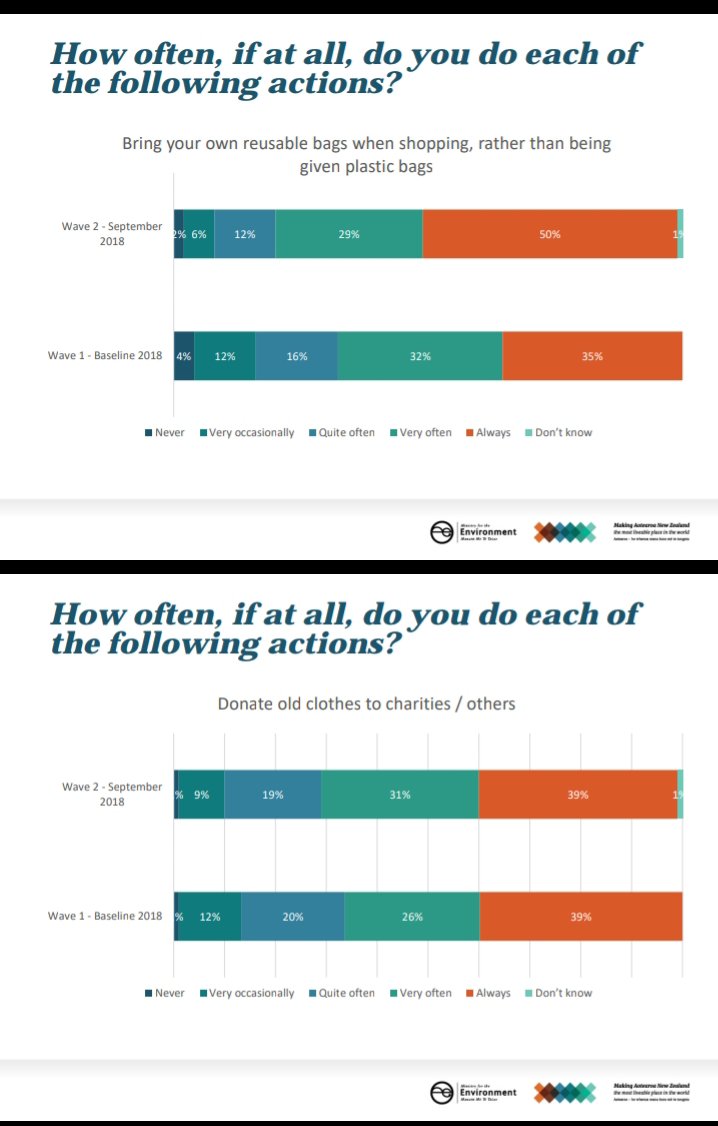
Social desirability bias in surveys: I rarely see reusable bags at super checkout – do you? Salvos must be inundated with clothes?
25 Nov 2018 Leave a comment
in econometerics, environmental economics, global warming Tags: climate alarmism, plastic bags, recycling, social desirability bias, survey bias
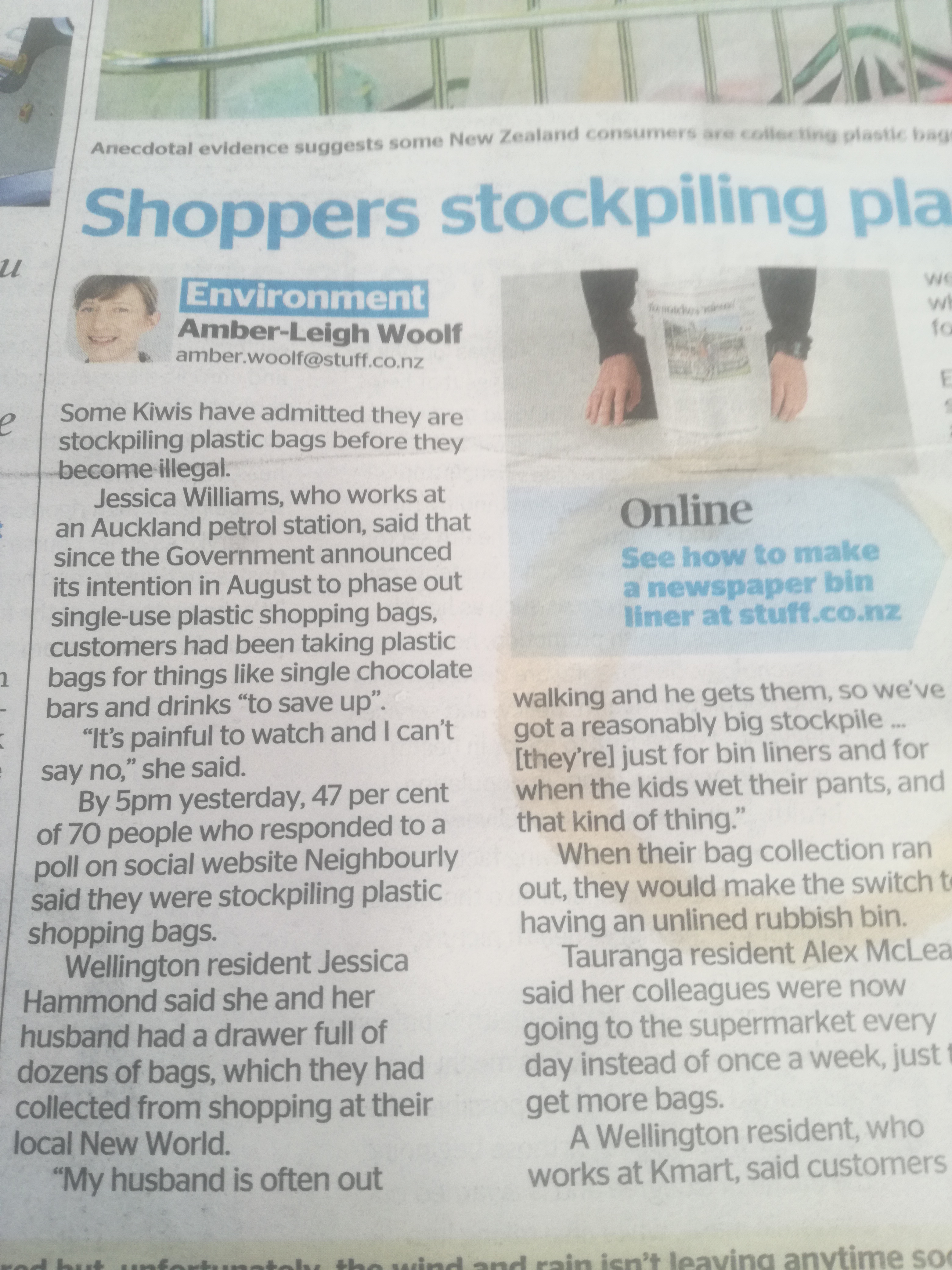
So are we (to sell as blackmarketeers?)
05 Sep 2018 Leave a comment
in applied price theory, economics of regulation, environmental economics Tags: black markets, nanny state, plastic bags
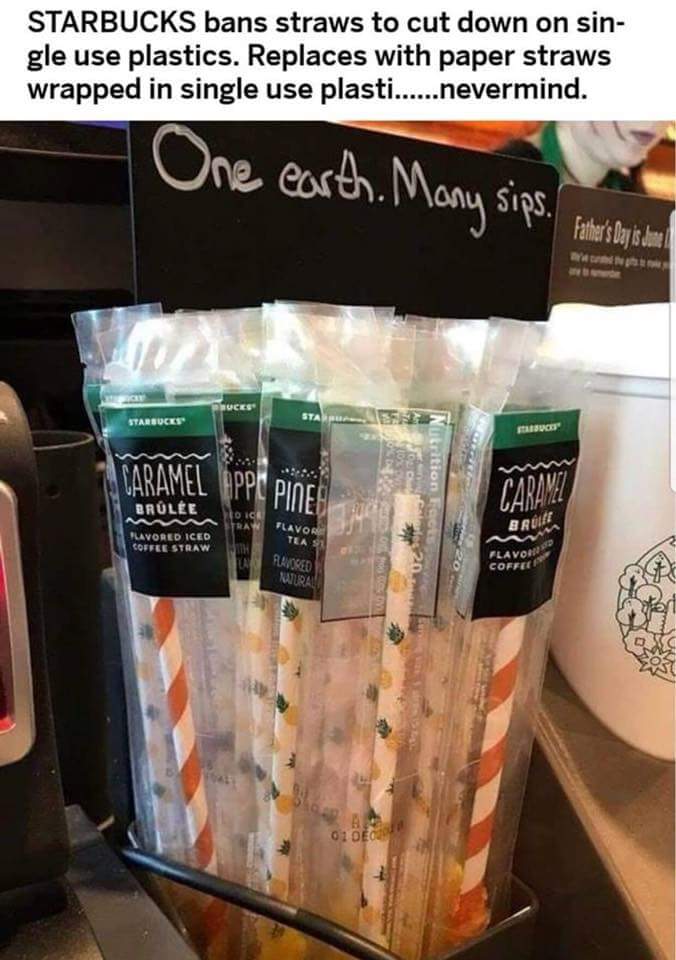
Didn’t know plastic bags decomposed in a few decades @GreenpeaceNZ
23 Dec 2017 Leave a comment
in environmental economics Tags: plastic bags
Foodborne Illness and Plastic Bag Bans
18 Jul 2015 Leave a comment
in economics of regulation, health economics Tags: antimarket bias, expressive voting, killer green technologies, meddlesome preferences, nanny state, plastic bag bans, plastic bags, rational ignorance, rational irrationality
Why charging for plastic bags doesn’t work
31 Jul 2014 Leave a comment
in economics of regulation, environmental economics, environmentalism Tags: expressive voting, plastic bags, recycling

My local supermarket tried to charge for plastic bags then backed down because of customer protests.
In the UK, a compulsory 5p charge on plastic bags first resulted in a sharp drop consumption then a rise in in the use of plastic bags last year. It seems the immediate change in behaviour reaped by the new charges is short-lived and it doesn’t take long for old habits to re-emerge.
Attaching a cost to something that was free certainly reduces frivolous consumption, but if that cost that is too low can merely act to pay off one’s conscience.
Beware of putting a price on guilt and letting people down.
A classic paper from 2000, Gneezy and Rustichini studied what happened when day-care centres in Israel tried to reduce late parental pick-ups by introducing fines.
Before long, late pick-ups had not reduced, they had doubled. Why? Because parents felt that the fine was a price worth paying and the guilt which had previously controlled their behaviour was assuaged.

 Utopia, you are standing in it!
Recent Comments