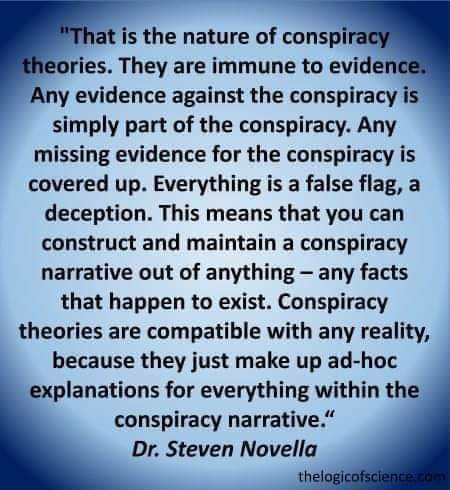
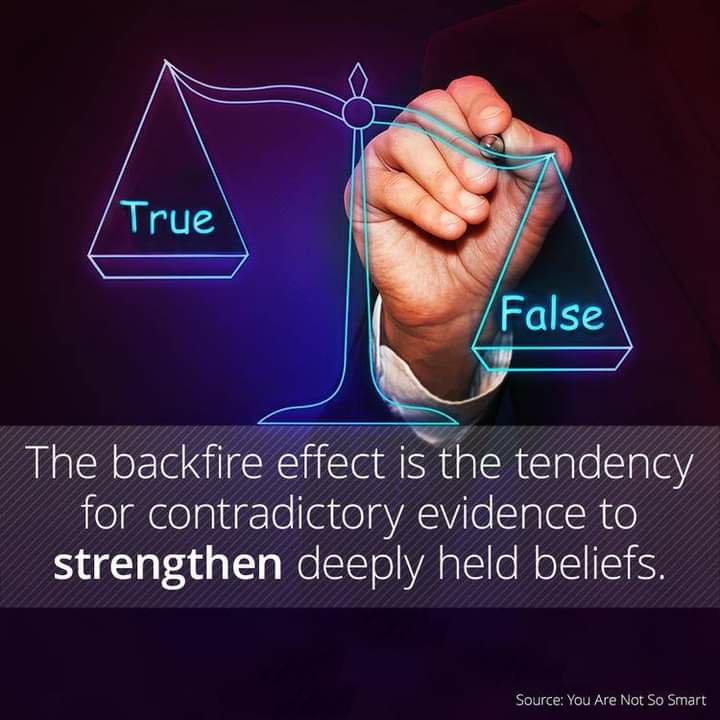
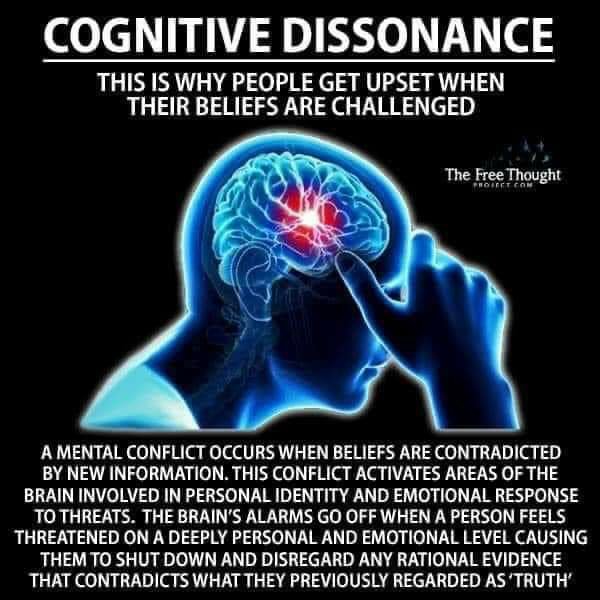
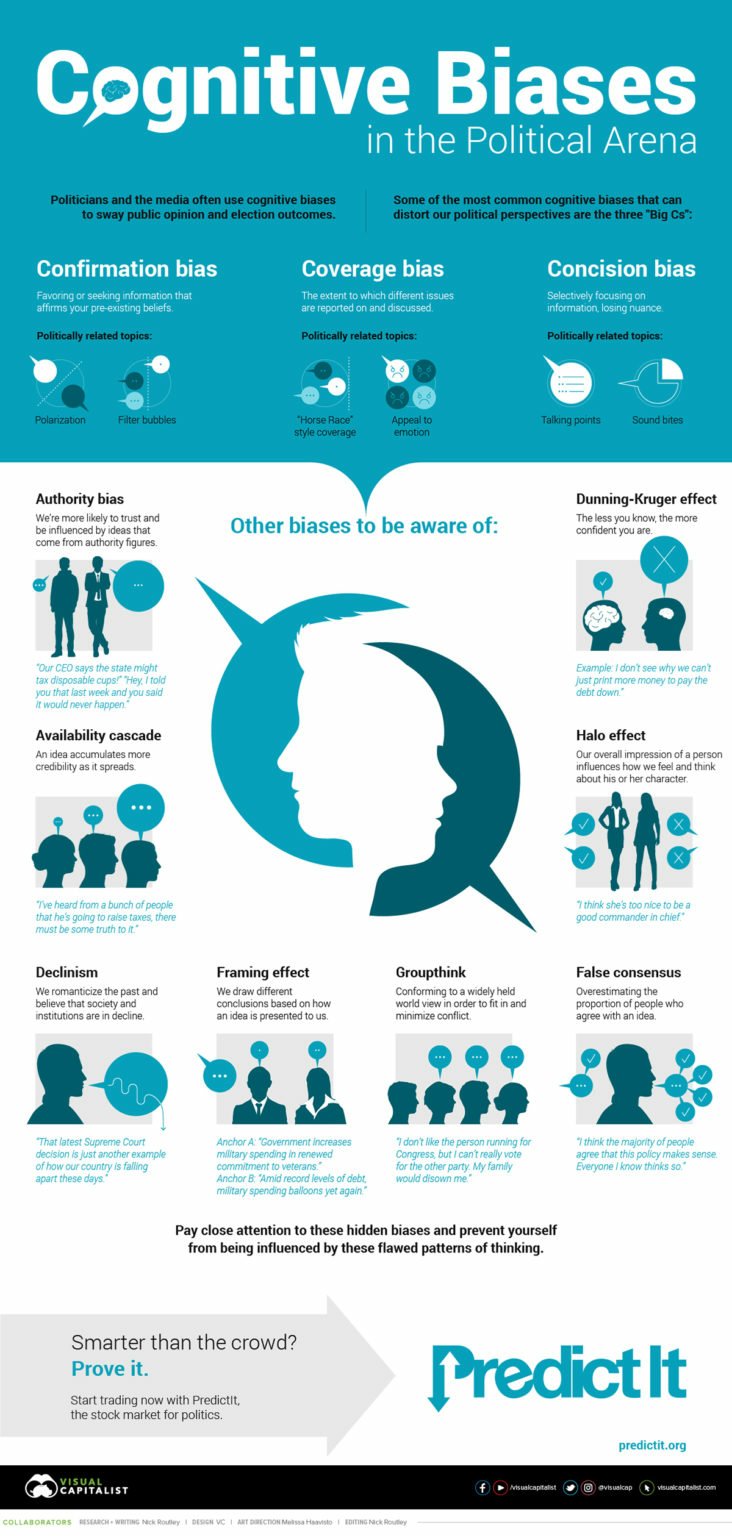
This week’s Jesus and Mo strip, called “bells,” came with a comment: “Does she think they were born yesterday?” Wikipedia tells us that another word for “conceptual conservatism” is “belief perseverance,” and characterizes it this way: Belief perseverance (also known as conceptual conservatism) is maintenance of a belief despite new information that firmly contradicts it.[2] Since rationality involves conceptual…
Jesus ‘n’ Mo ‘n’ conceptual conservatism
Jesus ‘n’ Mo ‘n’ conceptual conservatism
02 Mar 2026 Leave a comment
in economics of education Tags: cognitive psychology, political psychology, regressive left
Uneducated vs educated
03 Apr 2025 Leave a comment
in comparative institutional analysis, constitutional political economy, economics of bureaucracy, economics of education, economics of information, economics of media and culture, international economics, law and economics, liberalism, Marxist economics, politics, property rights, Public Choice Tags: Brexit, British politics, political psychology
Political battles historically have been framed as contests between left-wing and right-wing ideologies, with clear distinctions based on policy preferences and socio-economic class interests. However, contemporary political dynamics reveal a new axis of conflict: the division between the educated and the uneducated. This emerging distinction marks a significant departure from traditional political alignments, reshaping electoral […]
Uneducated vs educated
Who believes in conspiracy theories?
26 Mar 2025 Leave a comment
in economic history, economics of education, health economics Tags: cognitive psychology, conspiracy theorists, political psychology
While the psychological dispositions that underlie conspiracy thinking are well researched, there has been remarkably little research on the political preferences of conspiracy believers that go beyond self-reported ideology or single political issue dimensions. Using data from the European Voter Election Study (EVES), the relationship between conspiracy thinking and attitudes on three deeper-lying and salient […]
Who believes in conspiracy theories?
The Science of Political Judgment and Empathy | Paul Bloom | Big Think
06 Oct 2021 Leave a comment
in economic history, economics of education, law and economics, liberalism, libertarianism, Marxist economics, Public Choice Tags: evolutionary psychology, expressive voting, free speech, moral psychology, political psychology, regressive left
The Science of Bias, Empathy, and Dehumanization | Paul Bloom | Big Think
20 Sep 2021 Leave a comment
in economics of crime, economics of education, economics of media and culture, law and economics Tags: evolutionary psychology, moral psychology, political psychology
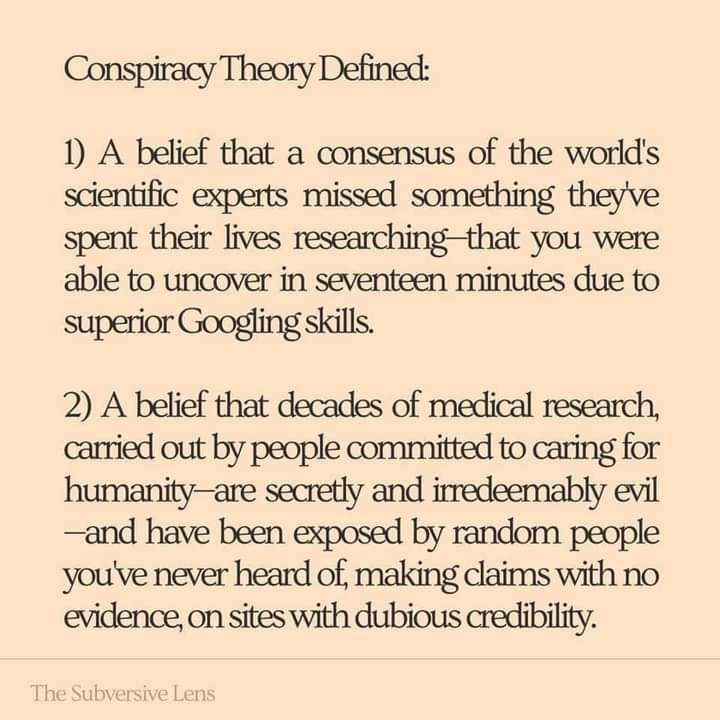
Is it a conspiracy?
13 Sep 2021 Leave a comment
in economics of education, economics of media and culture, Marxist economics Tags: cognitive psychology, conspiracy theorists, political psychology
So true
27 Aug 2021 Leave a comment
in economics of education, Marxist economics Tags: philosophy of science, political correctness, political psychology, regressive left
Jonathan Haidt: “The Righteous Mind: Why Good People are Divided by Politics and Religion”
17 Jul 2021 Leave a comment
in economics of education Tags: moral psychology, political psychology
.@BernieSanders @AOC @Greens @NZGreens
02 Oct 2020 Leave a comment
in business cycles, development economics, discrimination, economic growth, economic history, economics of bureaucracy, economics of crime, economics of education, Economics of international refugee law, economics of love and marriage, economics of regulation, economics of religion, energy economics, entrepreneurship, environmental economics, financial economics, fiscal policy, gender, global warming, growth disasters, growth miracles, health and safety, health economics, history of economic thought, human capital, income redistribution, industrial organisation, international economics, International law, job search and matching, labour economics, labour supply, law and economics, macroeconomics, Marxist economics, minimum wage, occupational choice, occupational regulation, politics - Australia, politics - New Zealand, politics - USA, poverty and inequality, privatisation, property rights, Public Choice, public economics, rentseeking, survivor principle, unemployment, unions, welfare reform Tags: Age of Enlightenment, moral psychology, offsetting behaviour, political psychology, regressive left, The fatal conceit, The Great Enrichment, unintended consequences, useful idiots
Why conspiracy theories are rational to believe
12 Sep 2020 Leave a comment
in applied price theory, applied welfare economics, behavioural economics, comparative institutional analysis, economics of education, economics of information, economics of media and culture, politics - Australia, politics - New Zealand, politics - USA, Public Choice Tags: cognitive psychology, conspiracy theorists, political psychology
@Greens @BernieSanders @NZGreens @AOC @Greenpeace
15 Aug 2020 Leave a comment
in economics of education, economics of information, economics of media and culture, politics - Australia, politics - New Zealand, politics - USA Tags: cognitive psychology, political psychology
 Utopia, you are standing in it!
Recent Comments