Green New Deal: Fact versus Fiction
23 Apr 2019 Leave a comment
in economics of bureaucracy, energy economics, environmental economics, global warming, politics - USA, Public Choice, public economics, rentseeking, transport economics Tags: atomic energy, renewable energy, solar power, wind power
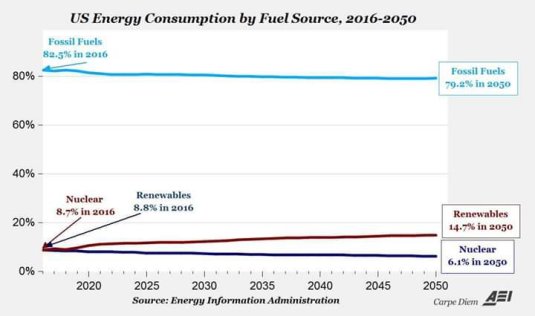
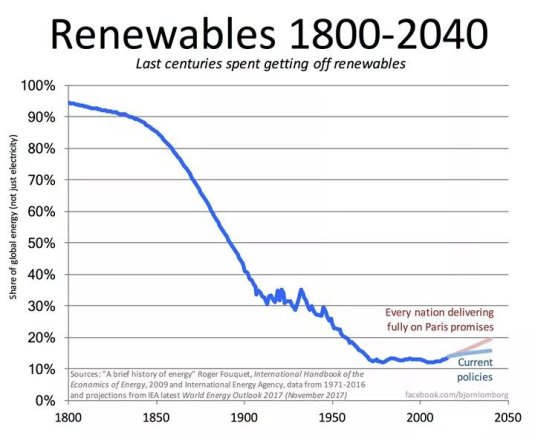
Straight to the point; hydro power survives without subsidies; wind and solar doesn’t
04 Mar 2019 Leave a comment
in energy economics, environmental economics, global warming, Public Choice, rentseeking Tags: green rentseeking, hydroelectric power, renewable energy, solar power, wind power

Energy Investments Dialogue @BillGates
13 Feb 2019 Leave a comment
in development economics, energy economics, environmental economics, global warming Tags: climate alarmism, renewable energy, solar power, wind power
Renewables aren’t base load supply
31 Jan 2019 6 Comments
in energy economics, politics - Australia Tags: renewable energy, solar power, wind power
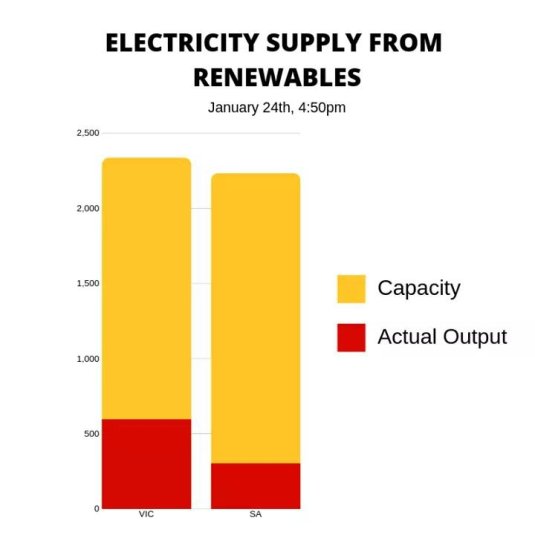
The ‘duck curve’ is solar energy’s greatest challenge
29 Jan 2019 Leave a comment
in energy economics, environmental economics, politics - USA Tags: renewable energy, solar power, wind power
Renewable Energy is a Useless Classification | Alex Epstein
13 Jan 2019 Leave a comment
in energy economics, environmental economics, global warming Tags: renewable energy, solar power, wind power
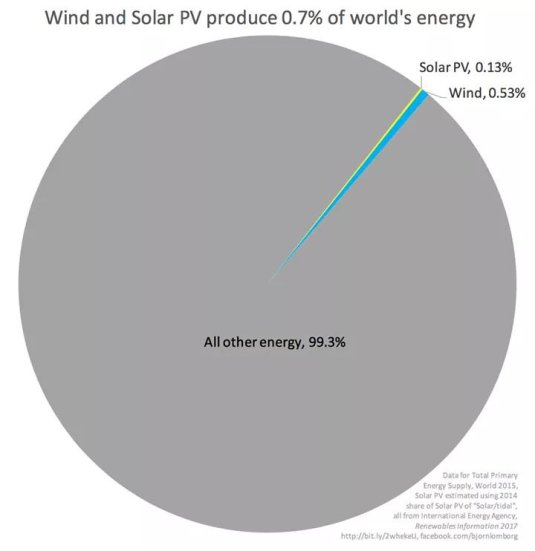
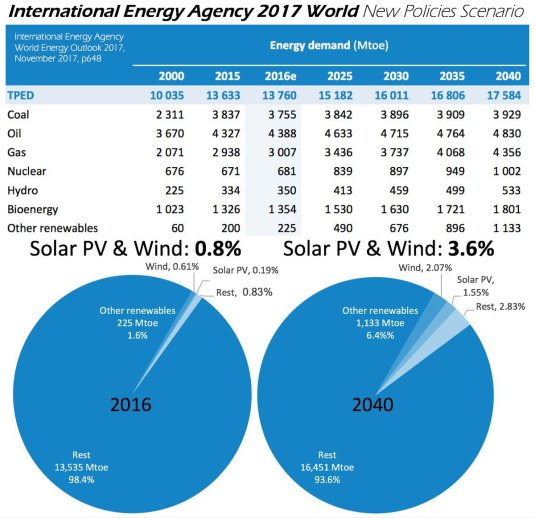
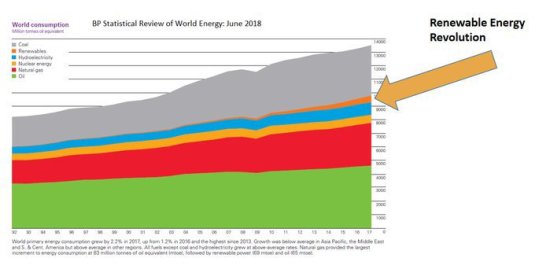
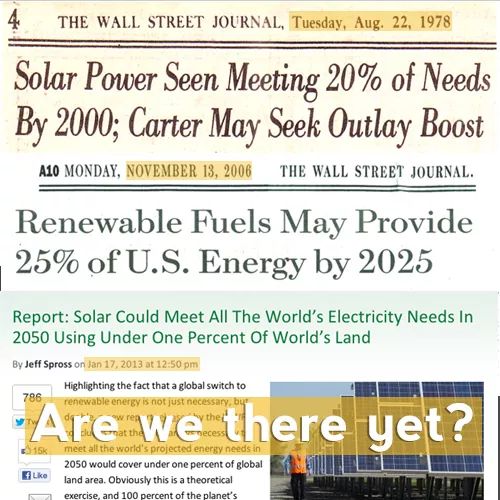
#EndOil assumes a few things on the renewable energy front
14 Apr 2018 Leave a comment
in economic history, energy economics, environmental economics, global warming Tags: renewable energy, solar power
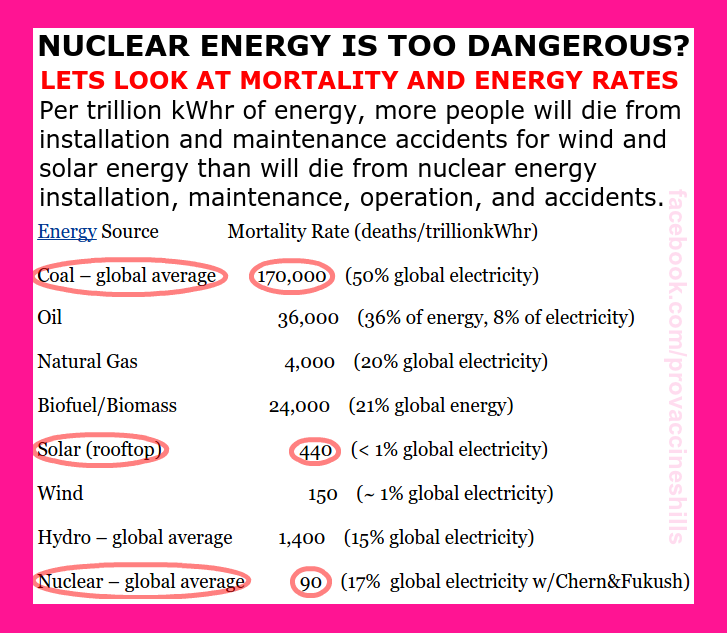
How dangerous is nuclear energy compared to renewable energy?
12 Jun 2017 Leave a comment
in economics of media and culture, energy economics, environmental economics, global warming Tags: coal, hydroelectric power, nuclear energy, power, renewable energy, solar power, wind power
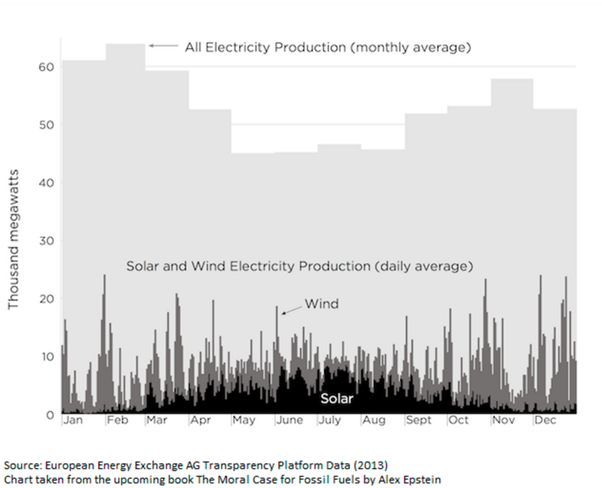
Solar and wind power peak at the wrong time of the day
28 Sep 2016 Leave a comment
in energy economics, environmental economics Tags: Big Solar, Big Wind, renewable energy, solar power, wind power
.
More proof of the unreliability of renewable energy
01 Aug 2016 Leave a comment
in energy economics, environmental economics, politics - Australia Tags: hydroelectric power, reading myths, renewable energy, Tasmania
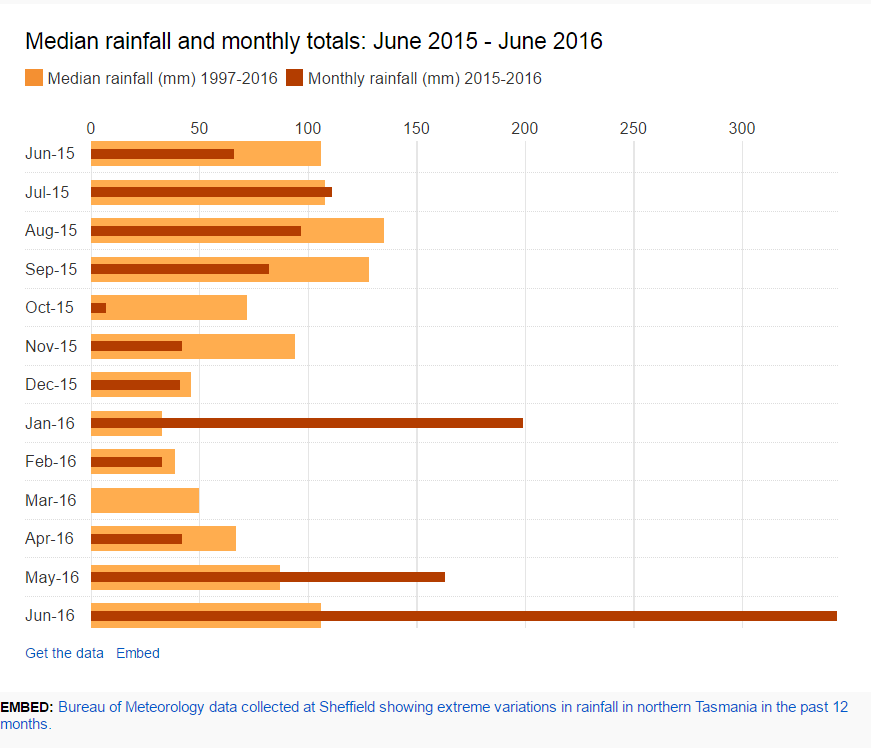
The Lake Pedder dam is full for the first time since 1988. A few months ago, Tasmanian hydroelectric lake levels were 13% with 6% the level at which the entire system shuts down.
 Utopia, you are standing in it!
Recent Comments