The dirty secret of clean energy
24 Feb 2017 Leave a comment
in energy economics, environmental economics Tags: Big Solar, Big Wind, solar power, wind power
#Globalwarming – renewable energy isn’t ready.
18 Feb 2017 Leave a comment
in economics, energy economics, environmental economics, global warming Tags: climate alarmists, solar power, wind power
Solar and wind power peak at the wrong time of the day
28 Sep 2016 Leave a comment
in energy economics, environmental economics Tags: Big Solar, Big Wind, renewable energy, solar power, wind power
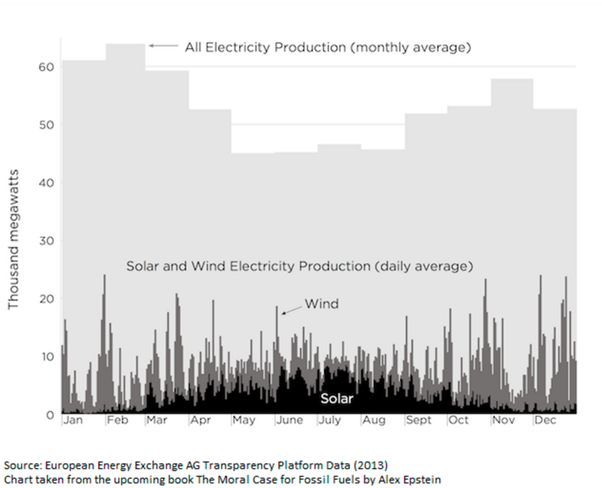
.
Can We Rely on Wind and Solar Energy?
02 Sep 2016 Leave a comment
in economics, energy economics, environmental economics, global warming Tags: solar power, wind power
Nuclear energy is a seriously safe power source
05 Jun 2016 Leave a comment
in economic history, energy economics, environmental economics, health and safety, labour economics Tags: coal prices, comic power, hydroelectric power, nuclear energy, risk risk trade-offs, solar power, wind power
The case for nuclear power
25 May 2016 Leave a comment
in energy economics, environmental economics Tags: atomic energy, coal, nuclear power, solar power, wind power
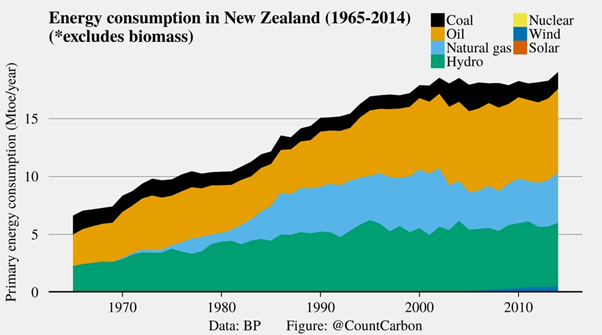
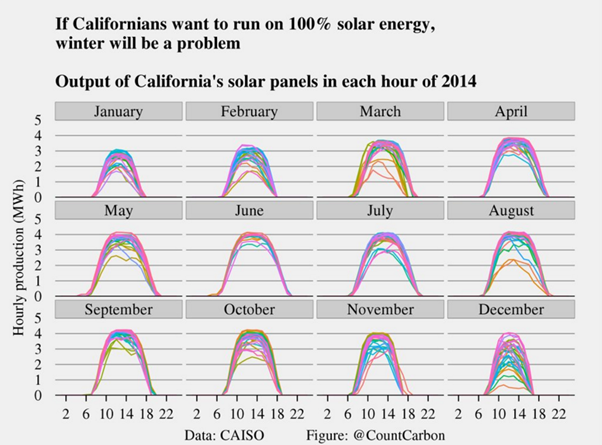
The renewable energy curse – does corruption turn clean energy into dirty? @GarethMP
30 Apr 2016 Leave a comment
in comparative institutional analysis, constitutional political economy, energy economics, environmental economics, global warming, Public Choice, rentseeking Tags: European Union, expressive voting, green rent seeking, Italy, renewable energy, solar power, wind power
Massimo Tavoni and Caterina Gennaioli published a nice paper showing that corruption and violence was higher in the high wind provinces of Italy after the installation of wind generators. They built on earlier work about countries with abundant renewable resources and weak institutions. The main question in their paper
… is whether an increase in the expected returns of investments in wind energy, following the introduction of the new policy regime based on a green certificate system, has driven economic agents, namely bureaucrats and entrepreneurs, to engage more in rent seeking activities.
As they studied Italy, there is no surprise about the answer which was yes. High winds ensure high returns of the wind farm investment, but whether this translates into more bribery depends on institutional quality. There was more corruption, and so especially in high-wind provinces of Italy.
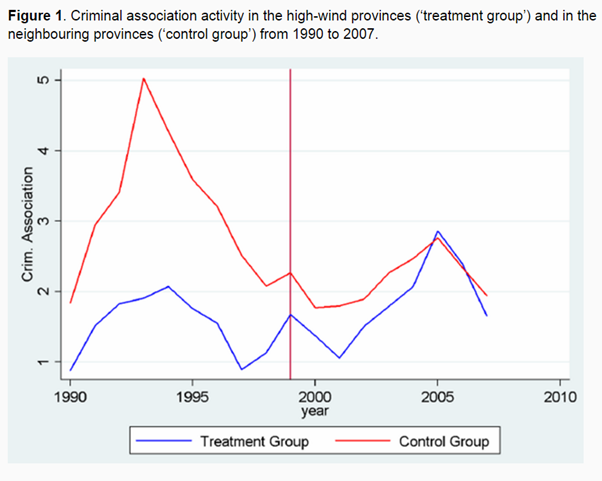
Source: Green policy and corruption | VOX, CEPR’s Policy Portal.
The construction of an average wind park is associated with an increase of criminal association activity of 6%. Italy will have more corruption than elsewhere in the old European Union.
The wider problem is renewable energy is a celebrity technology. In the context of expressive politics, so many cheer for solar and wind power that standards drop in terms of who qualifies for subsidies and who should lose support when their investments do not turn out as promised.
https://twitter.com/CountCarbon/status/715136022414299138
Wind power is not new, it is intermittent, is unsuitable for modern work, and is land constrained but it is still subsidised. Green rent seeking is a real risk even in countries with the best political institutions.
How much of global low carbon energy is wind and solar?
21 Apr 2016 Leave a comment
in economic history, energy economics, environmental economics, resource economics Tags: geothermal power, hydroelectric power, nuclear power, renewable energy, solar power, wind power
The sources of low carbon energy since 1965
14 Apr 2016 Leave a comment
in economic history, energy economics, environmental economics Tags: atomic energy, hydroelectric power, nuclear power, solar power, wind power
Global energy use by source
12 Apr 2016 Leave a comment
in economic history, energy economics, environmental economics, global warming Tags: coal prices, hydroelectricity, Oil prices, solar power, wind power
How much of Swedish power is renewable energy?
28 Mar 2016 Leave a comment
in economic history, energy economics, environmental economics Tags: hydroelectric power, renewable energy, solar power, wind power
 Utopia, you are standing in it!
Recent Comments