Average Income of Top 10% in 2010
31 May 2017 Leave a comment
in financial economics, human capital, labour economics, labour supply, occupational choice Tags: superstars, top 1%
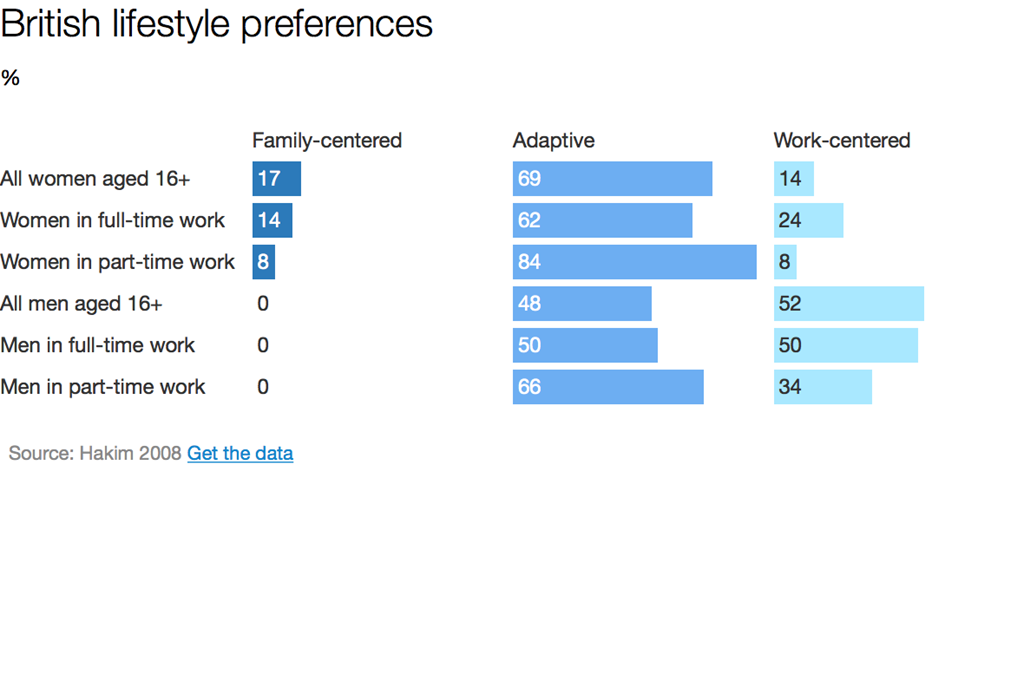
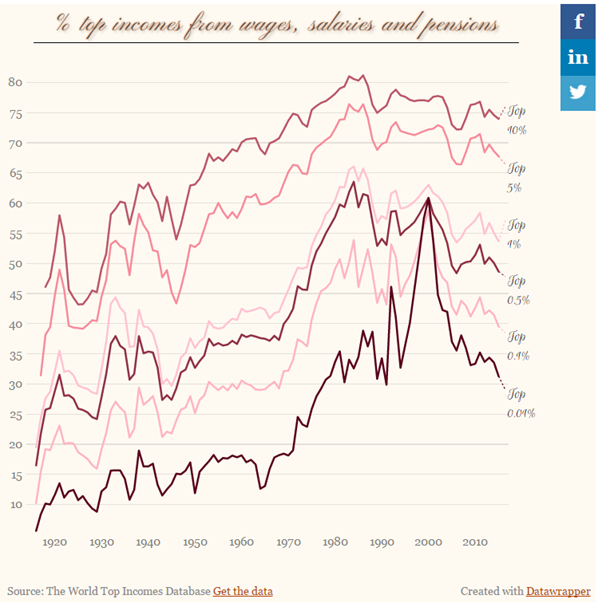
Top income shares falling since 1950s @FairnessNZ @CloserTogether
07 Apr 2017 Leave a comment
in economic history, politics - New Zealand, poverty and inequality Tags: superstar wages, superstars, top 1%
It has become an urban legend in New Zealand that inequality is getting worse and worse.
Brian Easton adjusted the top income share database for New Zealand for the introduction of dividend imputation. This encouraged companies to distribute more dividends.
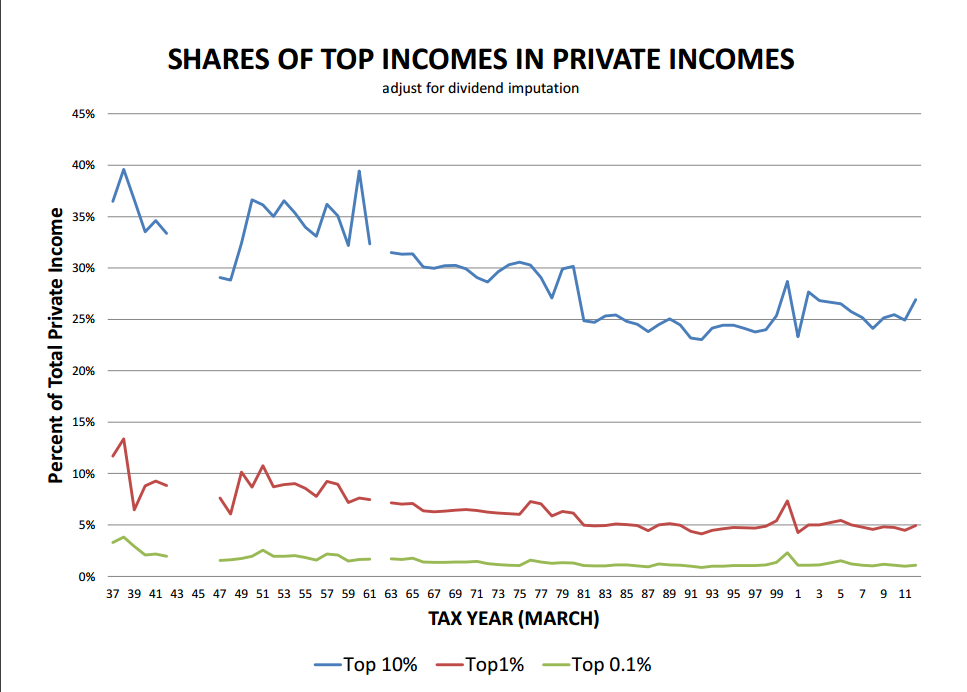
Once this measurement error was corrected by Easton, there has been no increase in top income shares in New Zealand since the 1950s. It has been a slow taper at best or a flat line.
There is a wages boom from the early 1990s after 20 years of wage stagnation, a period which some people regard as the good old days.
The return of real wages growth, and strong employment growth to boot, came straight after the Ruth Richardson horror budget and the passage of the Employment Contracts Act.
Every ethnic group experienced strong income growth as well as the graphic below shows. The rich got richer and the poor got richer too.
10 Geniuses Who Were Shockingly Horrible People
28 Feb 2017 Leave a comment
in economic history Tags: superstars
More on the emergence of a working rich
06 Feb 2017 Leave a comment
in entrepreneurship, financial economics, human capital, industrial organisation, labour supply, occupational choice, poverty and inequality, survivor principle Tags: superstars, top 1%


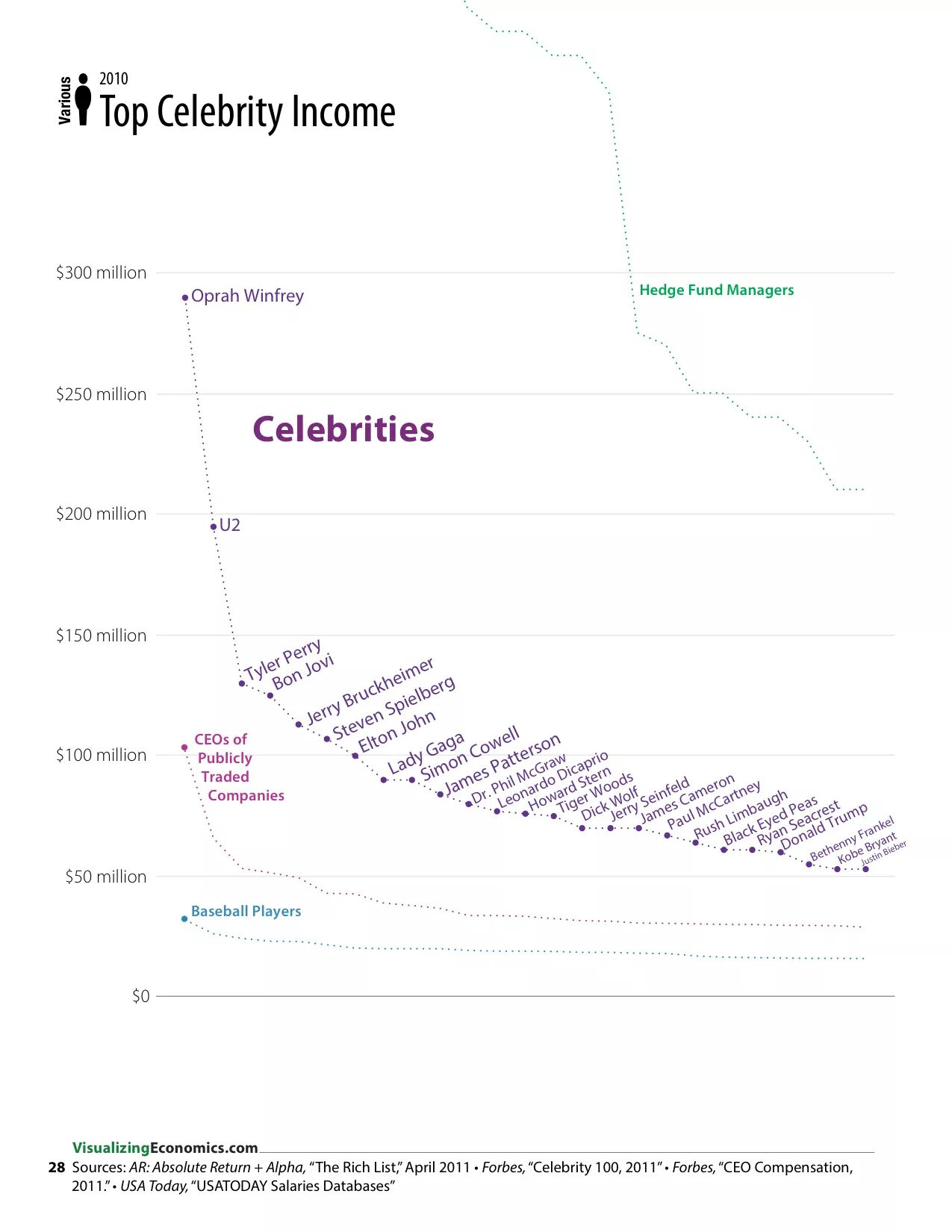

If @NZsuperfund really could beat the market this is what they would be paid @JordNZ
13 Jan 2017 Leave a comment

Hate speech against rich is surprisingly popular across spectrum
11 Jan 2017 Leave a comment
in fiscal policy, labour economics, labour supply, poverty and inequality Tags: British politics, envy, hate speech, superstars, top 1%
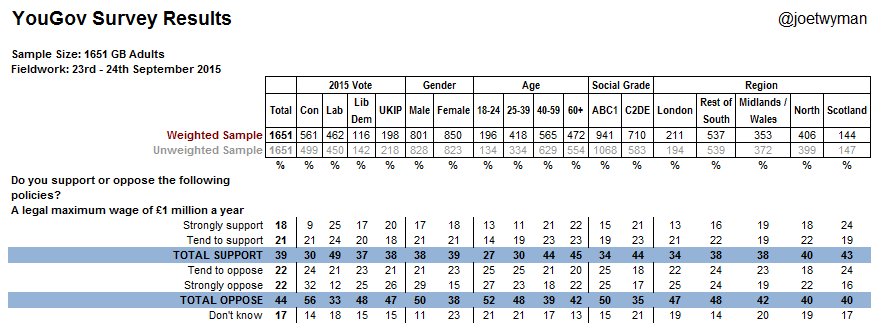
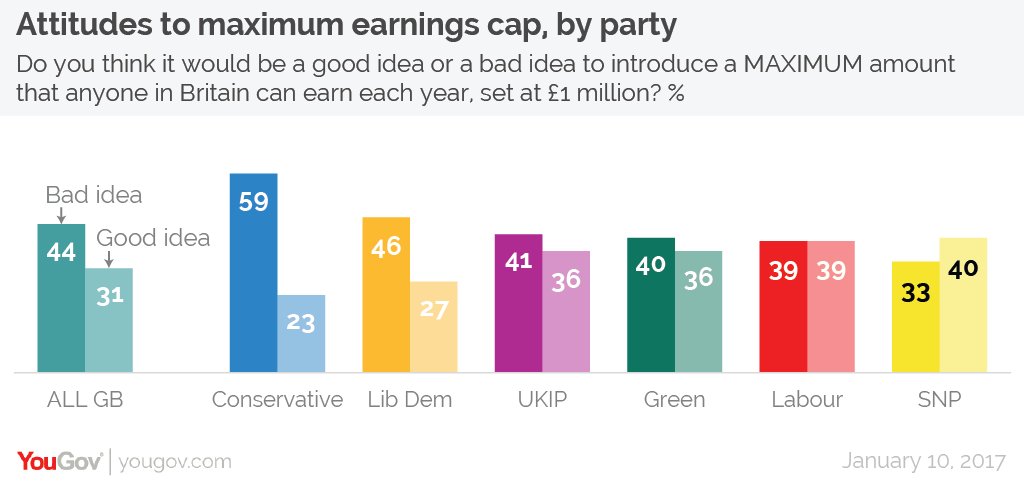


The rise of a working rich in Australia
12 Oct 2016 Leave a comment
in economic history, human capital, industrial organisation, labour economics, labour supply, politics - Australia, poverty and inequality, survivor principle Tags: superstar wages, superstars, top 1%, top incomes
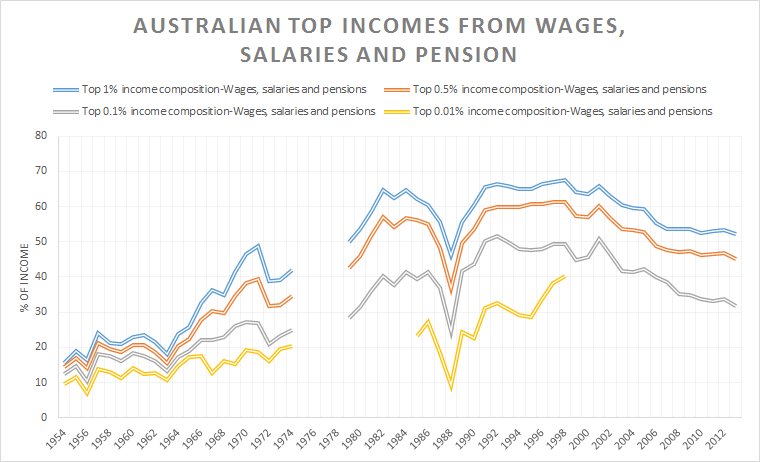
Source: The World Wealth and Income Database.
Lazy Australian top 0.1% only increased their income under @AustralianLabour
09 Oct 2016 Leave a comment
in economic history, industrial organisation, politics - Australia, poverty and inequality, survivor principle Tags: antimarket bias, entrepreneurial alertness, superstar wages, superstars, top 1%, top incomes
Australia’s top income earners are a lazy lot. The top 0.1% only ever had a rising income share under a Labor government in the 1980s. Even the top 1% had a pretty lean time until the 1990s.

Source: The World Wealth and Income Database.
 Utopia, you are standing in it!
Recent Comments