Daron Acemoglu: Robotics, AI, and the Future of Work
19 Aug 2019 Leave a comment
in economic history, industrial organisation, labour economics, labour supply Tags: automation, technological unemployment
Deirdre McCloskey: Why You Should Not Worry about Technological Unemployment
09 Sep 2018 Leave a comment
in applied price theory, economic history, entrepreneurship, industrial organisation, labour economics, labour supply, survivor principle, unemployment Tags: creative destruction, Deirdre McCloskey, pessimism bias, technological unemployment
Yesteryear’s robots came for many more jobs
17 Nov 2017 Leave a comment
in economic history, industrial organisation, labour economics, labour supply, occupational choice, survivor principle, unemployment Tags: creative destruction, technological unemployment
Another job taken by robots
22 Jul 2017 Leave a comment
in economic history, industrial organisation, labour supply, survivor principle Tags: creative destruction, technological unemployment
Daron Acemoglu: Technology and Unemployment
24 Feb 2017 Leave a comment
in applied price theory, economic history, labour economics, labour supply Tags: creative destruction, technological unemployment
The robots to get everybody’s jobs and then some 150 years ago
21 Feb 2017 Leave a comment
in economic history, industrial organisation, labour economics, labour supply Tags: creative destruction, technological unemployment
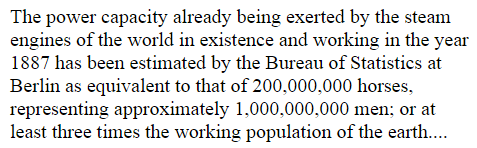
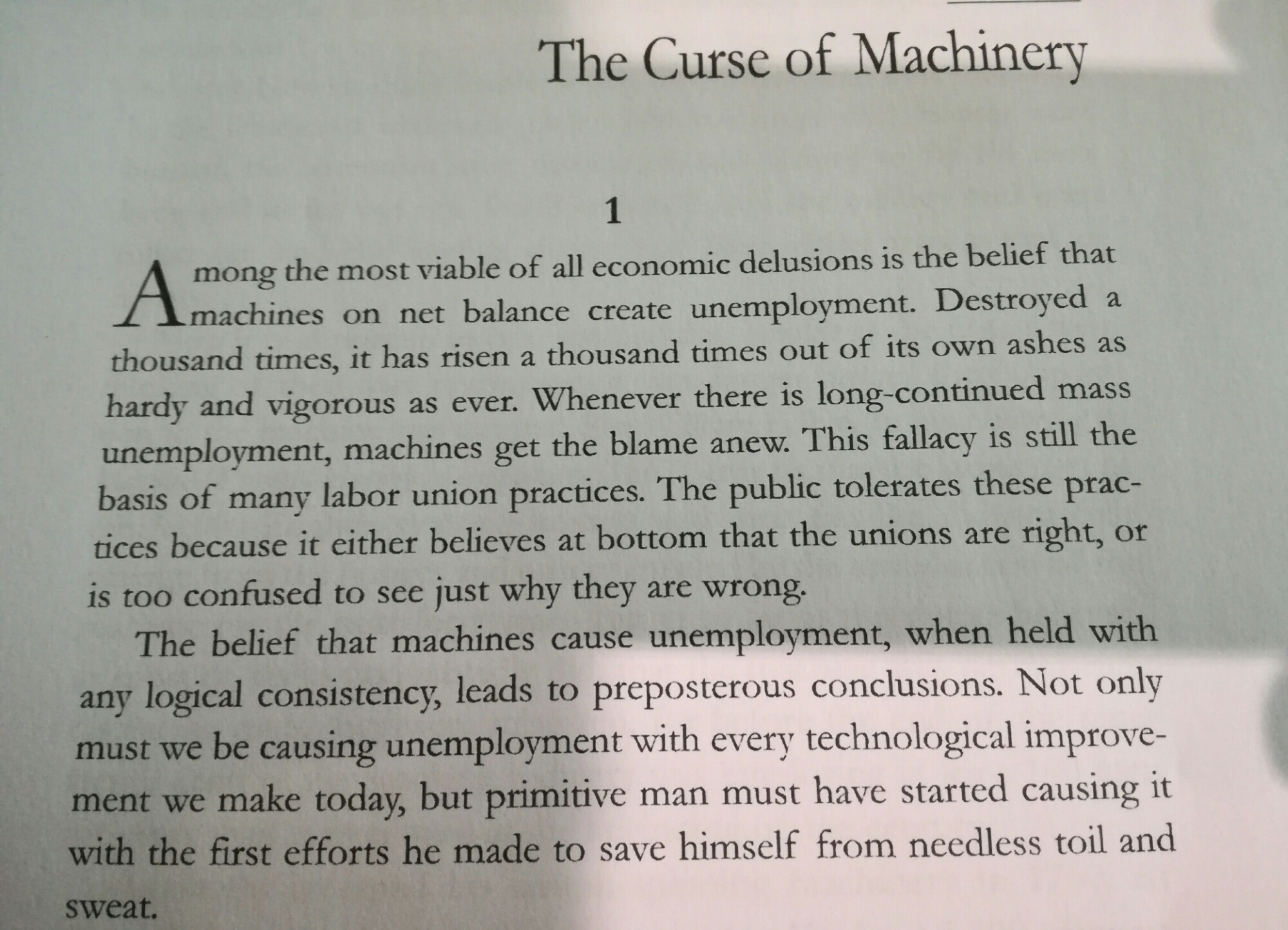
The tractors are coming, the tractors are coming for all the horses
16 Feb 2017 Leave a comment
in economic history, industrial organisation, labour economics, labour supply Tags: agricultural economics, creative destruction, technological unemployment, technology diffusion
Many new technologies display long adoption lags, and this is often interpeted as evidence of frictions inconsistent with the standard neoclassical model. We study the diffusion of the tractor in American agriculture between 1910 and 1960 — a well known case of slow diffusion — and show that the speed of adoption was consistent with the predictions of a simple neoclassical growth model.
The reason for the slow rate of diffusion was that tractor quality kept improving over this period and, more importantly, that only when wages increased did it become relatively unprofitable to operate the alternative, labor-intensive, horse technology
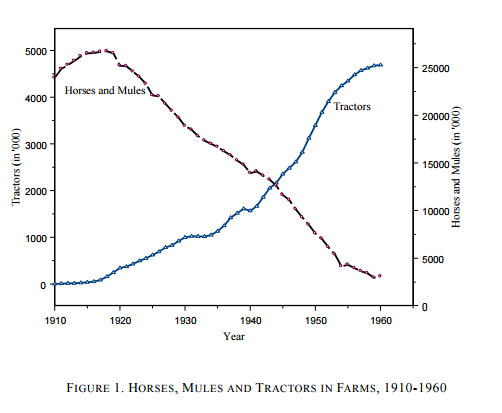
Source: Frictionless Technology Diffusion: The Case of Tractors By RODOLFO E. MANUELLI AND ANANTH SESHADRI
Will automation take away all our jobs?
31 Jan 2017 Leave a comment
in economic history, entrepreneurship, industrial organisation, labour economics Tags: automation, technological unemployment
The robots came in the 1950s for all our jobs
23 Jan 2017 Leave a comment
in economic history, industrial organisation, labour economics, labour supply, movies, survivor principle Tags: Apollo 13, automation, technological unemployment
The robots are coming have got nothing on the mid 20th century in terms of man being replaced by a machine.
One of my favourite scenes from Apollo 13 happens to be online. Tom Hanks and the Apollo 13 crew and ground control were using slide rules to make the critical calculations about re-entry trajectories. That had not been automated in 1969.
I went to high school just after slide rules were replaced by simple calculators.
I am reading some great essays from the 1960s at the moment about the great fear that people had from the computer entering the factory.
The reason for claiming that this time it was different was computed could automate calculations millions of times faster than people could. The computer could monitor and react to events without human intervention as Yale Brozen explained in the mid-60s
The hallmarks of automation, to distinguish it from mechanization or automatic
methods, are its sensing, feed-back, and self-adjusting characteristics. Because it senses changing requirements and adjusts without human intervention, it presumably does away with the need for human attendants or human labor. This is very fearful indeed to those who depend upon jobs for their livelihood.
The Race between Machine and Man Daron Acemoglu
19 Jan 2017 Leave a comment
in applied price theory, industrial organisation, labour economics, survivor principle Tags: technological unemployment
 Utopia, you are standing in it!
Recent Comments