Tweet… is from page 103 of Historical Impromptus, a 2020 collection of some of Deirdre McCloskey’s work on economic history; this quotation, specifically, is from McCloskey’s 2000 review, in the Minnesota Journal of Global Trade, of Thomas Friedman’s The Lexus and the Olive Tree and John Gray’s False Dawn [original emphasis]: Globalization encourages the capitalist…
When a truly great new invention appears, people rarely greet it with the reverence that hindsight later bestows. Instead, they squint at it through the lens of the familiar. They ask: What is this like? And because it is not like anything they already know, they underestimate it. History is littered with inventions that, at […]
As I wrote nine years ago, Oxfam is a pathetic organization. Originally created to help the poor, it has been captured by activists who peddle class warfare. But they play that role in an incredibly sloppy fashion. In all the debates I’ve been part of over the years, no left-leaning academic has been willing to […]
Steven Pinker wrote at the Free Press: Human progress continues, with some backsliding. Since publishing two books on human progress (The Better Angels of Our Nature, 2011, and Enlightenment Now, 2018), every year I update my graphs on the major dimensions of human well-being. Most people think everything’s gotten worse, but that can be a misleading…
Steven Pinker’s claim that human beings are now better off than at any time since the beginning of recorded history has provoked fierce resistance. Critics often regard it as complacent, technocratic, or morally obtuse in the face of ongoing suffering. Yet when the claim is properly understood—not as a denial of present evils, but as […]
Wayne Jackson writes – The 50th anniversary of New Zealand’s Household Economic Survey (HES) provides a unique vantage point to assess how far households have come in terms of income, expenditure, and wealth accumulation. Comparing 1974 with 2024 reveals a story of rising prosperity, shifting household structures, and widening disparities. From dual‑income households to skyrocketing […]
TweetHere’s a letter to a new correspondent. Mr. __: Thanks for sharing Sohrab Ahmari’s tweet, which I’d not otherwise have noticed. It is, frankly, pathetically inept. In order to criticize the pro-free-market Acton Institute, Ahmari favorably quotes Pope Leo’s assertion that “pseudo-scientific data are invoked to support the claim that a free market economy will…
We should not assume that all adopted innovations are progressive. Jonathon Haidt’s ‘The Anxious Generation’ illustrates that sometimes they require social measures to enhance well being. Brian Easton writes – The Anxious Generation is a book which probably everyone engaging with adolescents should read. Haidt’s thesis is that smartphones replacing flip phones led to a marked […]
The assertion that all cultures are equal has become a widely accepted axiom in contemporary discourse, shaped significantly by well-intentioned efforts to foster global tolerance and respect. However, it is not only possible but necessary to challenge this view. While cultural relativism emphasizes understanding and tolerance, it need not extend to cultural equivalence. Indeed, an […]
Tweet… is from page 172 of the 2012 revised edition of Steven Landsburg’s great 1993 book, The Armchair Economist: [I]ncome statistics don’t account for everything we value. For one thing, we care about the quantity and quality of our leisure time. Here it’s by and large the poor who have made great strides, while the…
Long ago, I co-blogged for EconLog with Arnold Kling. Now he’s running a book club for Liberty Fund. Last month, Arnold invited me and philosopher Rachel Ferguson to discuss Mike Huemer’s new Progressive Myths. Enjoy!
For some reason Bill Maher’s latest comedy/news video, “New Rules: Guilt by Civilization”, is age-restricted (it must be the photo of Bianca Censori in her see-through outfit) , but you can see it by clicking either here or on the “Watch on YouTube” line below. The beginning is great, as Maher claims that the Democrats […]
Why Evolution is True is a blog written by Jerry Coyne, centered on evolution and biology but also dealing with diverse topics like politics, culture, and cats.
“We do not believe any group of men adequate enough or wise enough to operate without scrutiny or without criticism. We know that the only way to avoid error is to detect it, that the only way to detect it is to be free to inquire. We know that in secrecy error undetected will flourish and subvert”. - J Robert Oppenheimer.
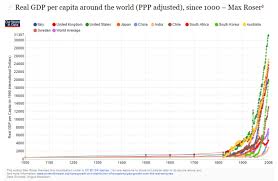

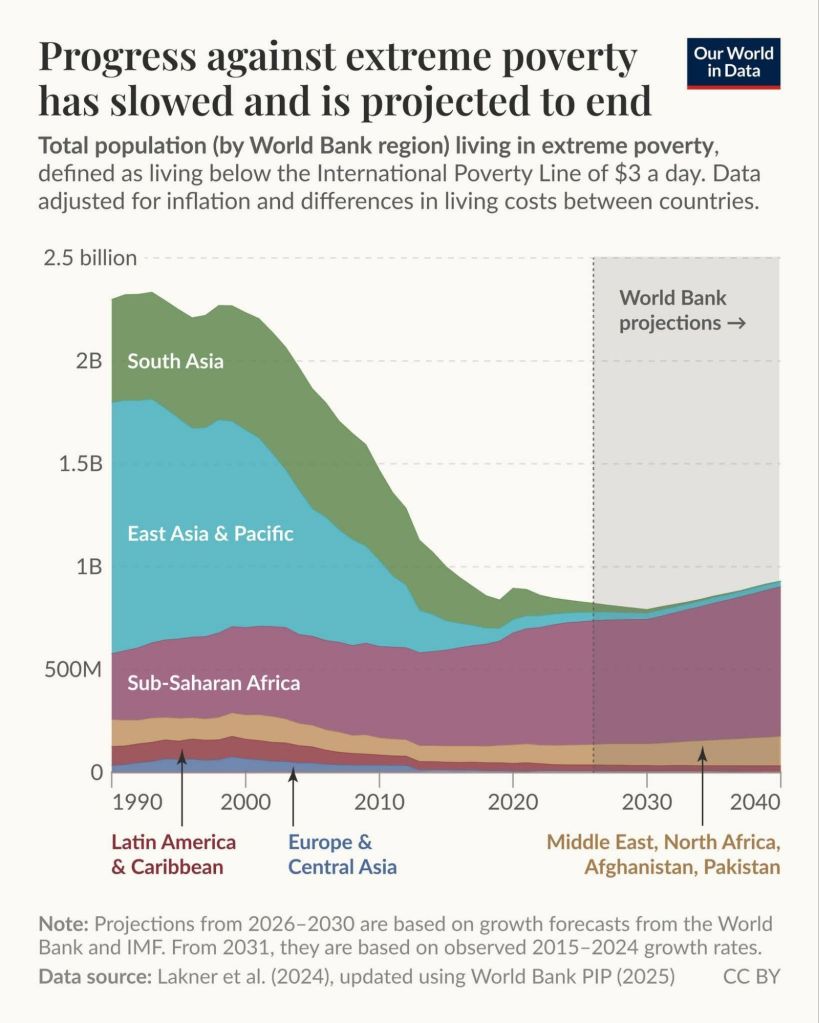
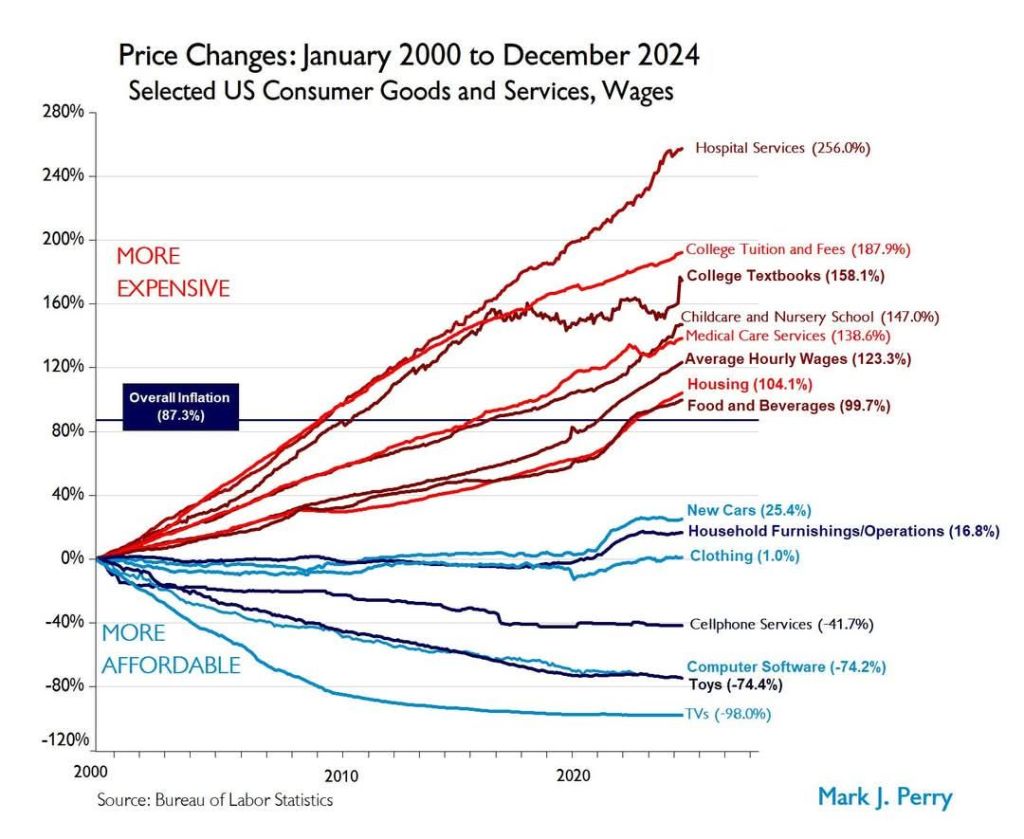
 Utopia, you are standing in it!
Recent Comments