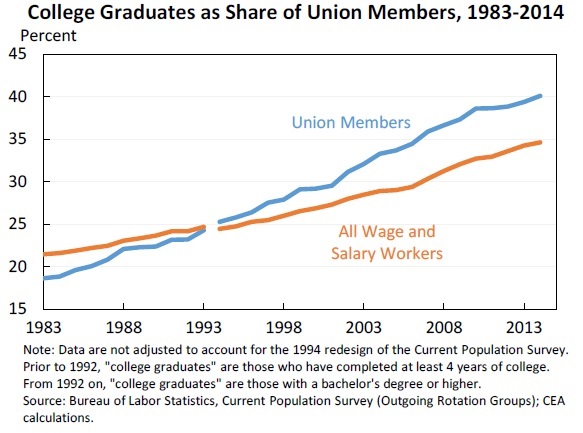
The withering away of unions as a working class movement @nzlabour @FairnessNZ
09 Oct 2015 Leave a comment
Will the Labour Party have any list MPs after the 2017 general election – updated?
02 Dec 2014 Leave a comment
in politics - New Zealand Tags: ACT, Conservative Party, MMP, National Party, The withering away of the Labour Party
A constant source of speculation prior to the 2014 general election in New Zealand was whether the Labour Party would win enough of the party vote to have any list MPs at all.
Will the Labour Party have any list MPs in the 2017 election if the Conservative party were to get into Parliament under the MMP system? The following tables are scenarios using the 2014 general election results as the base.
Table 1: status quo – 2014 New Zealand general election actual results
| Party name | Party Votes won | Party seat entitlement | No. of electorate seats won | No. of list MPs | Total MPs | % of MPs | ||||
| ACT New Zealand | 0.69% | 1 | 1 | 0 | 1 | 0.83% | ||||
| Green Party | 10.70% | 14 | 0 | 14 | 14 | 11.57% | ||||
| Labour Party | 25.13% | 32 | 27 | 5 | 32 | 26.45% | ||||
| Māori Party | 1.32% | 2 | 1 | 1 | 2 | 1.65% | ||||
| National Party | 47.04% | 60 | 41 | 19 | 60 | 49.59% | ||||
| New Zealand First Party | 8.66% | 11 | 0 | 11 | 11 | 9.09% | ||||
| United Future | 0.22% | 0 | 1 | 0 | 1 | * | 0.83% | |||
| Totals | 93.76% | 120 | 71 | 50 | 121 | 100.00% | ||||
Table 2: Conservative Party wins electorate seat at expense of National Party
| Party name | Party Votes won | Party seat entitlement | No. of electorate seats won | No. of list MPs | Total MPs | % of MPs | ||||
| ACT New Zealand | 0.69% | 1 | 1 | 0 | 1 | 0.83% | ||||
| Conservative | 3.97% | 5 | 1 | 4 | 5 | 4.13% | ||||
| Green Party | 10.70% | 13 | 0 | 13 | 13 | 10.74% | ||||
| Labour Party | 25.13% | 31 | 27 | 4 | 31 | 25.62% | ||||
| Māori Party | 1.32% | 2 | 1 | 1 | 2 | 1.65% | ||||
| National Party | 47.04% | 57 | 40 | 17 | 57 | 47.11% | ||||
| New Zealand First Party | 8.66% | 11 | 0 | 11 | 11 | 9.09% | ||||
| United Future | 0.22% | 0 | 1 | 0 | 1 | * | 0.83% | |||
| Totals | 97.73% | 120 | 71 | 50 | 121 | 100.00% | ||||
If the Conservative Party were to win an electorate seat at the expense of the National Party, three of their five seats will come off the column of the National Party, one from the Greens, and one from Labour.
The Conservative party would have held the balance of power in the New Zealand Parliament, mostly the expense of the National Party.
Table 3: Conservative Party wins electorate seat at expense of Labour Party
| Party name | Party Votes won | Party seat entitlement | No. of electorate seats won | No. of list MPs | Total MPs | % of MPs | ||||
| ACT New Zealand | 0.69% | 1 | 1 | 0 | 1 | 0.83% | ||||
| Conservative | 3.97% | 5 | 1 | 4 | 5 | 4.13% | ||||
| Green Party | 10.70% | 13 | 0 | 13 | 13 | 10.74% | ||||
| Labour Party | 25.13% | 31 | 26 | 5 | 31 | 25.62% | ||||
| Māori Party | 1.32% | 2 | 1 | 1 | 2 | 1.65% | ||||
| National Party | 47.04% | 57 | 41 | 16 | 57 | 47.11% | ||||
| New Zealand First Party | 8.66% | 11 | 0 | 11 | 11 | 9.09% | ||||
| United Future | 0.22% | 0 | 1 | 0 | 1 | * | 0.83% | |||
| Totals | 97.73% | 120 | 71 | 50 | 121 | 100.00% | ||||
If the Conservative party were to win an electoral seat at the expense of the Labour Party, the National party does no better. It still loses three MPs. The Greens lose one MP; the Labour Party also loses a list MP.
Table 4: Conservative party reaches 5% threshold expense of the party vote of New Zealand First
| Party name | Party Votes won | Party seat entitlement | No. of electorate seats won | No. of list MPs | Total MPs | % of MPs | |
| ACT New Zealand | 0.69% | 1 | 1 | 0 | 1 | 0.83% | |
| Conservative | 5.00% | 6 | 0 | 6 | 6 | 4.96% | |
| Green Party | 10.70% | 13 | 0 | 13 | 13 | 10.74% | |
| Labour Party | 25.13% | 31 | 27 | 4 | 31 | 25.62% | |
| Māori Party | 1.32% | 2 | 1 | 1 | 2 | 1.65% | |
| National Party | 47.04% | 58 | 41 | 17 | 58 | 47.93% | |
| New Zealand First Party | 7.63% | 9 | 0 | 9 | 9 | 7.44% | |
| United Future | 0.22% | 0 | 1 | 0 | 1 | * | 0.83% |
| Totals | 97.73% | 120 | 71 | 50 | 121 | 100.00% |
The Conservative party getting to 5% does a little better for the National Party. The National Party loses two list MPs, with the Greens losing one list MP as does the Labour Party.
Bumping up the party vote of the Conservative party by 1.03% wins two list MPs at the expense of New Zealand First! Such are the comings and goings of MMP.
Table 5: the Conservative Party reaches 5% threshold at the expense of the National Party
| Party name | Party Votes won | Party seat entitlement | No. of electorate seats won | No. of list MPs | Total MPs | % of MPs | |
| ACT New Zealand | 0.69% | 1 | 1 | 0 | 1 | 0.83% | |
| Conservative | 5.00% | 6 | 0 | 6 | 6 | 4.96% | |
| Green Party | 10.70% | 13 | 0 | 13 | 13 | 10.74% | |
| Labour Party | 25.13% | 31 | 27 | 4 | 31 | 25.62% | |
| Māori Party | 1.32% | 2 | 1 | 1 | 2 | 1.65% | |
| National Party | 46.01% | 56 | 41 | 15 | 56 | 46.28% | |
| New Zealand First Party | 8.66% | 11 | 0 | 11 | 11 | 9.09% | |
| United Future | 0.22% | 0 | 1 | 0 | 1 | * | 0.83% |
| Totals | 97.73% | 120 | 71 | 50 | 121 | 100.00% |
If the Conservative party reaches the 5% threshold to qualify for list MPs at the next election at the expense of the party vote of the National Party, the National Party is now four MPs short of what it won in the 2014 general election in order to elect six Conservative MPs.
It seems the National Party was right in not easing the path of the Conservative Party into Parliament at the last election. Most of the Conservative Party MPs would come at the expense of the National Party and would have delivered a more complicated post-election coalition scenario.
The Conservative Party is next to no threat to the size of the Labour Party caucus, and the number of list MPs it might win at the next election.
Table 6: the Conservative party reaches 5% at the expense of the National Party and the National Party vote drops by a further 1% in favour of the Labour Party
| Party name | Party Votes won | Party seat entitlement | No. of electorate seats won | No. of list MPs | Total MPs | % of MPs | |
| ACT New Zealand | 0.69% | 1 | 1 | 0 | 1 | 0.83% | |
| Conservative | 5.00% | 6 | 0 | 6 | 6 | 4.96% | |
| Green Party | 10.70% | 13 | 0 | 13 | 13 | 10.74% | |
| Labour Party | 26.13% | 32 | 27 | 5 | 32 | 26.45% | |
| Māori Party | 1.32% | 2 | 1 | 1 | 2 | 1.65% | |
| National Party | 45.01% | 55 | 41 | 14 | 55 | 45.45% | |
| New Zealand First Party | 8.66% | 11 | 0 | 11 | 11 | 9.09% | |
| United Future | 0.22% | 0 | 1 | 0 | 1 | * | 0.83% |
| Totals | 97.73% | 120 | 71 | 50 | 121 | 100.00% |
Only when the National Party’s vote drops towards 45% does the Conservative Party become its knight in shining armour, delivering an absolute majority in Parliament.
One reason that the National Party did not endorse the Conservative Party is such an endorsement would have put off socially liberal National Party voters. Letting that Conservative Party get into Parliament under its own steam does not risk that stigma.
When the Conservative Party is elected into Parliament under its own steam because of disenchantment with the National Party, as happens with all third term governments, the Conservative Party will deliver a fourth term to the National Party, as shown in Table 6.
The National Party have nothing to gain and something to lose in terms of party votes by endorsing the Conservative Party, and a lot to gain by letting it win seats in Parliament on its own merits.
Table 7: National Party’s party vote drops to 44%
|
Party name |
Party Votes won |
Party seat entitlement |
No. of electorate seats won |
No. of list MPs |
Total MPs |
|
% of MPs |
|
ACT New Zealand |
0.69% |
1 |
1 |
0 |
1 |
0.83% |
|
|
Conservative |
5.00% |
6 |
0 |
6 |
6 |
4.96% |
|
|
Green Party |
10.70% |
13 |
0 |
13 |
13 |
10.74% |
|
|
Labour Party |
27.13% |
33 |
26 |
7 |
33 |
27.27% |
|
|
Māori Party |
1.32% |
2 |
1 |
1 |
2 |
1.65% |
|
|
National Party |
44.01% |
54 |
42 |
12 |
54 |
44.63% |
|
|
New Zealand First Party |
8.66% |
11 |
0 |
11 |
11 |
9.09% |
|
|
United Future |
0.22% |
0 |
1 |
0 |
1 |
* |
0.83% |
|
Totals |
97.73% |
120 |
71 |
50 |
121 |
|
100.00% |
Table 7 puts forward one scenario where the National party’s party vote drops 44%. In this scenario, the National Party will need both the Conservative Party and another party, such as ACT to pass legislation.
Withering away of the proletariat alert: the New Zealand Labour Party is redefining up the working class
01 Dec 2014 Leave a comment
in income redistribution, politics - New Zealand, Public Choice, rentseeking Tags: The withering away of the Labour Party, the withering away of the proletariat
Andrew Little is looking to update Labour's definition of the 'working class': stuff.co.nz/national/polit… http://t.co/AQ9mJL7CQf—
NZ Stuff Politics (@NZStuffPolitics) November 30, 2014
The vanguard of the working class has decided the working classes are a bit too small these days to survive politically. The party vote of the New Zealand Labour Party was its lowest since its foundation in 1919 in the New Zealand 2014 general election.
Small-businesses owners, the self-employed and those on contracts are “workers”, Labour’s new leader Andrew Little says. Little has used his first major speech as leader to challenge Labour to update its definition of working people:
People on middle incomes, people who own a small business, people who work on contract who are doing their best to earn a crust and get ahead, they are feeling forgotten – mostly because in policy terms they are
Back in the day, a large number of Labour Party politicians were asked why did they join the Labour Party. Their answer was the Labour Party promised a better deal for the working man.

Unfortunately for the New Zealand Labour Party, the traditional working class is simply are not enough votes to form a government even when you add in the precariat. The party vote of the Labour Party in New Zealand in the last two general elections is been in about 24%. Two thirds of the New Zealand electorate gave their party vote to non-left parties. The party vote of the Labour Party and the green party summed to only 33% of the vote.

What is worse, if you are to believe these Daily Mail graphics, both the traditional working class and precariat area are a bit old, in case of the working class, they are retirement age. The average age of the working class is 66 and the average age of the precariat is 50.

Even the emergent service worker class is a bit of a disappointment for the Labour Part because they don’t seem to be the stock of shop-floor militancy, higher taxes, more regulation and a more generous welfare state. The emergent service workers have semi-skilled and skilled jobs with career structures and the potential for self-employment.
All in all, the left-wing political parties in New Zealand are in a bit of trouble.The green party is tapped out at a party vote of 10% because their hard left policies limit their growth into the middle class vote. The withering away of the proletariat is leading to a withering away the Labour Party.
Both the Labour Party and the Greens are full of university educated, middle-class radicals whose higher tax and bigger government agenda simply doesn’t appeal to the middle-class vote.
On the withering away of the Labour Party
08 Nov 2014 1 Comment
in politics - Australia, politics - New Zealand Tags: Leftover Left, The withering away of the Labour Party, the withering away of the proletariat

John Quiggin made an interesting point the other day that explains why the Australian Labor Party caucus is no longer the cream of the working class:
In 1945, the largest single occupational group in Australia (and an archetypal group of Labor supporters) were railwaymen (there were almost no women in the industry).
By the 1970s, the largest occupational group, also becoming the archetypal group of Labor supporters. were schoolteachers.
Quiggin was not making the point I am making, but his data was instructive.
The traditional labour voter of days gone by was socially conservative, fiscally conservative, strict on educational standards and believed in hard work, self-improvement and being frugal. They agreed with Dalton Trumbo who said:
I never considered the working class anything other than something to get out of.
 Utopia, you are standing in it!
Recent Comments