
The coronavirus pandemic is of course primarily a social crisis, but the fiscal costs are also important. A sharp and sustained deterioration in the public finances could have major implications for future government spending and taxation. Fortunately, there are also some good reasons to be sanguine.
Let’s begin with the bad news. A slump in economic activity is inevitable and even desirable; we actually want most people to stop doing what they would normally be doing, in order to save lives. However, this will also lead to a surge in government borrowing, reflecting both the direct costs of the fiscal measures being taken to protect businesses, jobs and incomes, and the knock-on effects of a steep fall in GDP on welfare spending and tax revenues.
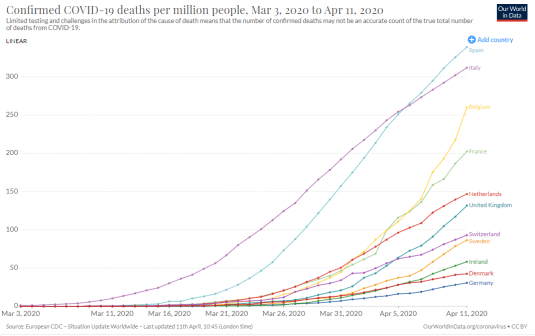
The headline figures are scary. Given all the uncertainties, it makes sense to talk in terms of ‘plausible scenarios’ rather than ‘forecasts’, and any hard…
View original post 1,104 more words


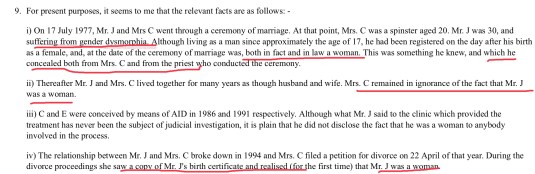 On reflection, I decided to blog as it raises the issue of Sex By Deception, currently a criminal offence. There is talk about reviewing the law. Stonewall are one of the organisations lobbying for this:
 Whilst there could be a progressive case for reviewing the law around sex by deception (I am thinking of
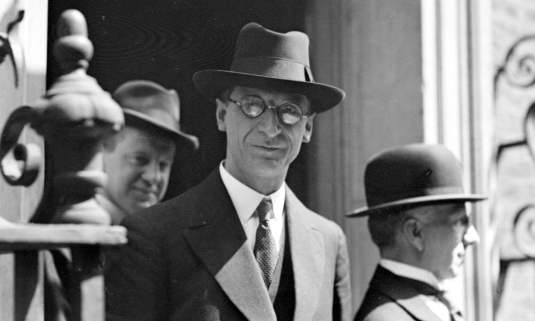 By 1923, the civil war was over. The anti-treaty forces had been crushed, and the new Free State was established. The civil war left its legacy, though, not least in subsequent politics: the two sides of the civil war gave birth to the two political parties that have dominated Irish politics ever since.
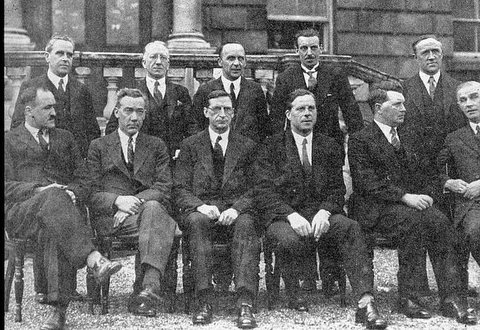
 The day Martin Luther King stood by the Lincoln Memorial and spoke of his dream, also saw some of the great luminaries of the folk music scene of the day. Among those performing were someone most people have probably heard of: Bob Dylan. I suspect very few have heard of Josh White. But, White’s story, and the story of America’s folk revival, gives us a slice of American social, political and cultural history. It takes us from the dust bowl to New York City, from the White House to the HUAC.
 Interest in the traditional music of Europe and America was hardly new. In the later part of the 19th century, James Francis Child was a Harvard academic: he wrote one of the most important studies of Chaucer, for example. What he is perhaps best remembered for is his collection of 305 traditional English and Scottish folk songs, colloquially…


 In retrospect, the fall of MacDonald’s second Labour government, the creation of the national government, the 1931 general election and its aftermath mark, in many ways, the end of that period of remarkable political reconfiguration either side of the Great War and the coming of democracy. We can now see that the ‘thirties saw the restoration of two party politics: the two parties which would, after the Second World War, dominate British politics. However, I’m not sure it looked quite like that at time.
 Utopia, you are standing in it!
Recent Comments