
Yossi Nehushtan and Megan Davidson: The UK 14-Day Quarantine Policy: Is Public Opinion a Relevant Consideration?
01 Jul 2020 Leave a comment


 According to the government quarantine policy, that came into force on 8 June, nearly all international arrivals at UK ports must quarantine for 14 days. Elsewhere we argued that the quarantine policy is irrational, unreasonable, disproportionate and therefore illegal. Here we argue that the policy was introduced mainly because of public opinion – and that public opinion in this case is an irrelevant consideration, one that should not have been taken into account by government.
Was public opinion taken into account in this case?
We have two reasons to believe that the government took public opinion into account when it decided the quarantine policy – and presumably also accorded it significant weight. First, an opinion poll showed that 63% of the public supported the quarantine policy. Second, the Secretary of State for the Home Department, who introduced the policy, openly said that ‘these measures are informed by science, backed…
View original post 2,254 more words

June 28, 1491: Birth of Henry VIII, King of England and Ireland.
29 Jun 2020 Leave a comment

Henry VIII (June 28, 1491 – January 28, 1547) was King of England from 1509 until his death in 1547. Henry was the third child and second son of Henry VII and Elizabeth of York, the eldest child of King Edward IV and his wife, Elizabeth Woodville.
Henry is best known for his six marriages, and, in particular, his efforts to have his first marriage (to Catherine of Aragon) annulled. His disagreement with Pope Clement VII on the question of such an annulment led Henry to initiate the English Reformation, separating the Church of England from papal authority. He appointed himself the Supreme Head of the Church of England and dissolved convents and monasteries, for which he was excommunicated. Henry is also known as “the father of the Royal Navy,” as he invested heavily in the navy, increasing its size from a few to more than 50 ships, and established…
View original post 346 more words
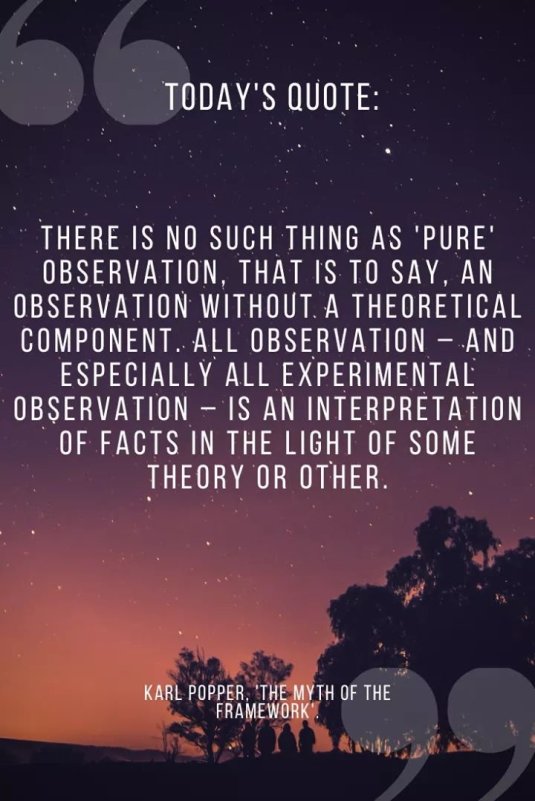
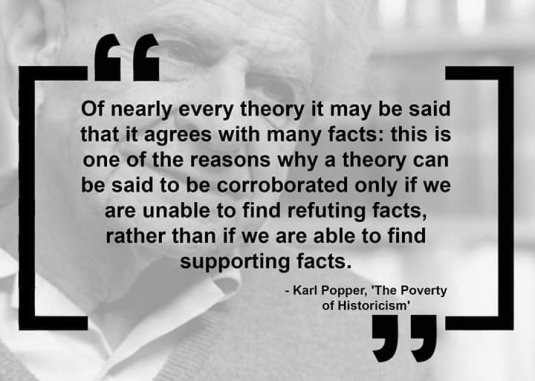
Theory tells you where to start looking and what you are looking for and how and when you have found it or not
28 Jun 2020 Leave a comment
@AOC @BernieSanders @SenWarren @Greens @NZGreens @oxfamnz @Greenpeace @jeremycorbyn
27 Jun 2020 Leave a comment

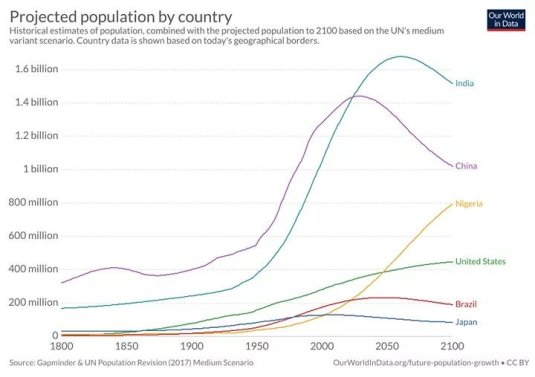
Electric vehicle ownership must increase by 11,000% for a net zero UK
24 Jun 2020 Leave a comment

 Standing around at the EV charging station [image credit: makeitsunderland.com]
At the moment this is like trying to fill a bath from a very slowly dripping tap. A lot would need to happen to turn the tap of public enthusiasm for EVs on, starting with much lower prices. Where is all the extra electricity supply supposed to come from, and who voted for ‘net zero’ anyway?
– – –
Scottish and Southern Electricity Networks (SSEN) today publishes new research on the uptake of low carbon technologies (LCTs) required to put the UK on the road to net zero.
Examining the expected changes in SSEN’s two distribution areas in the south of England and north of Scotland, the data reveals electric vehicle ownership will increase from 44,000 to 5m in these two areas alone.
View original post 158 more words


THE VIETNAMESE COMMUNIST SOLDIER
20 Jun 2020 Leave a comment

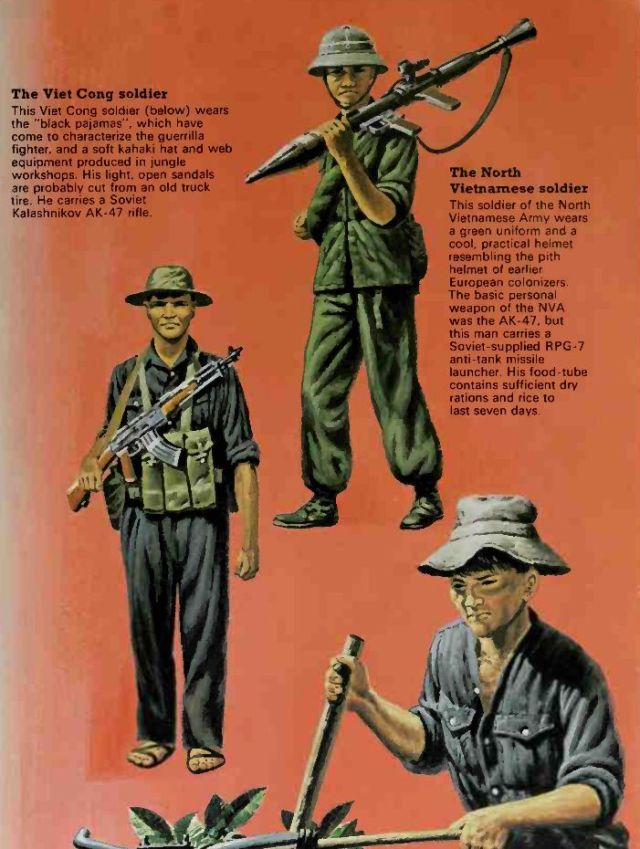
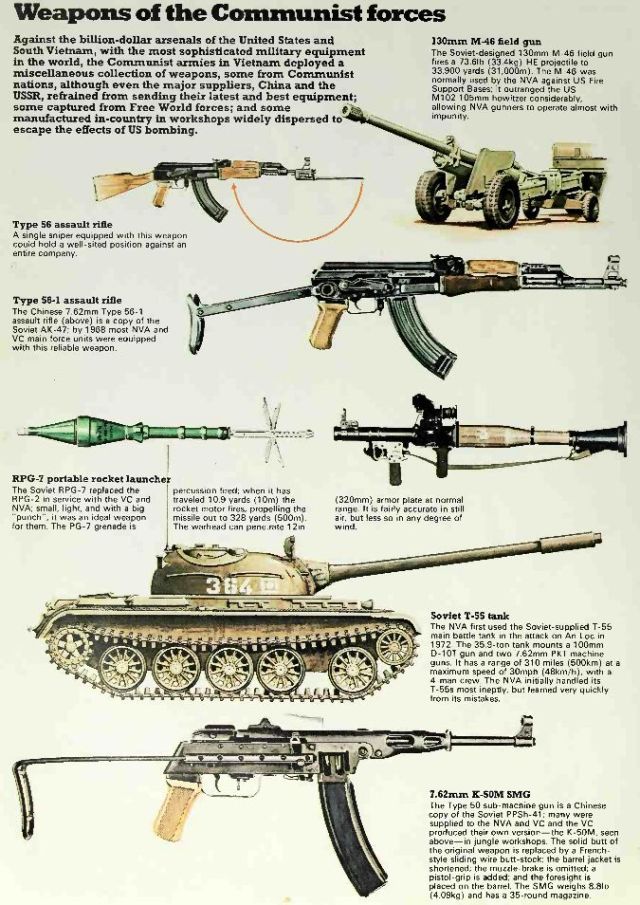
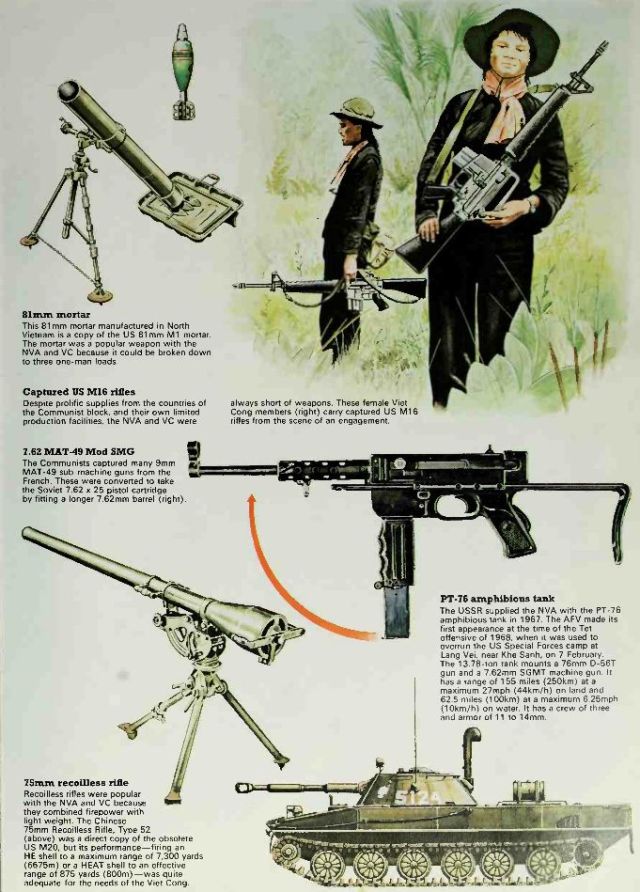
Communist soldiers in Vietnam could be divided into three classes. There were the regular uniformed North Vietnamese Army troops who fought in established units and formations. Most NVA soldiers were recruited from the urban conglomeration around Hanoi or from villages in the rural paddy areas of the northern plains. NVA troops were no more naturally suited to the rigors of jungle warfare than were the city and farm boys drafted from Middle America. In addition to the NVA, there were regular VC troops who were full-time guerrilla soldiers. And last, there were local VC troops who stayed at home and fought a clandestine war at night and farmed by day.
The local VC varied widely in their military capabilities. In some areas they were highly regarded when they were well led, but for the most part, they were not considered a major threat. Their training was quite elementary and they…
View original post 1,345 more words

 Utopia, you are standing in it!
Recent Comments