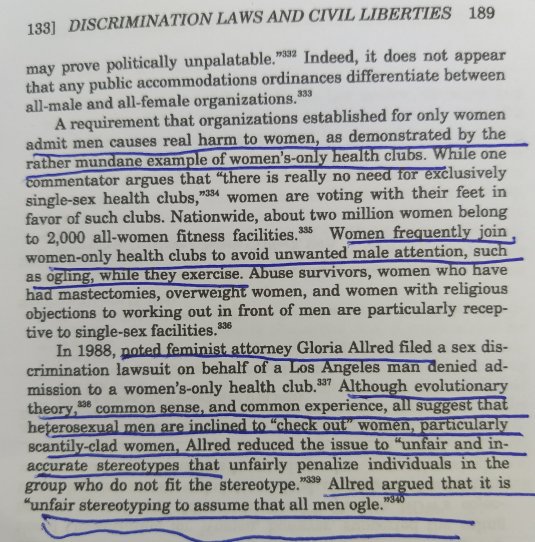
.@ProfDBernstein on a feminist proof by contradiction of the accuracy of stereotypes
07 Dec 2019 Leave a comment

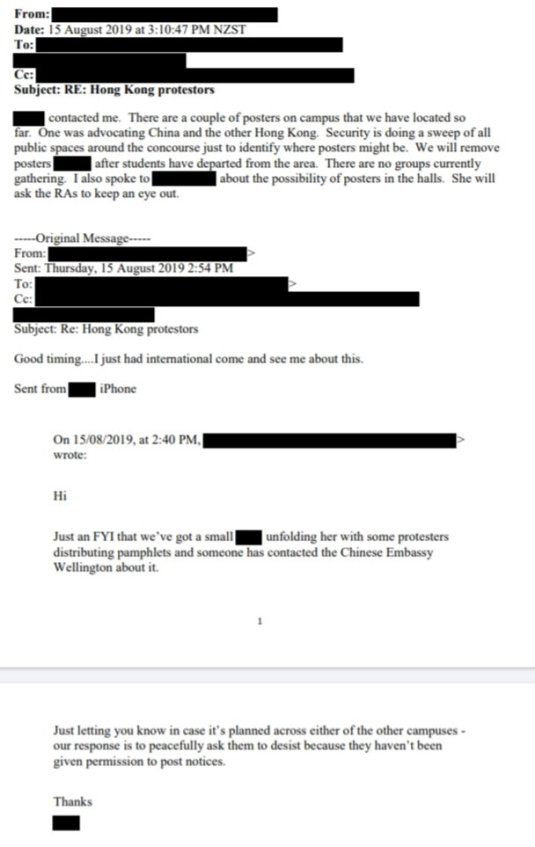
Did @MasseyUni buckle to Chinese embassy pressure to take down Hong Kong protest posters?
02 Dec 2019 Leave a comment
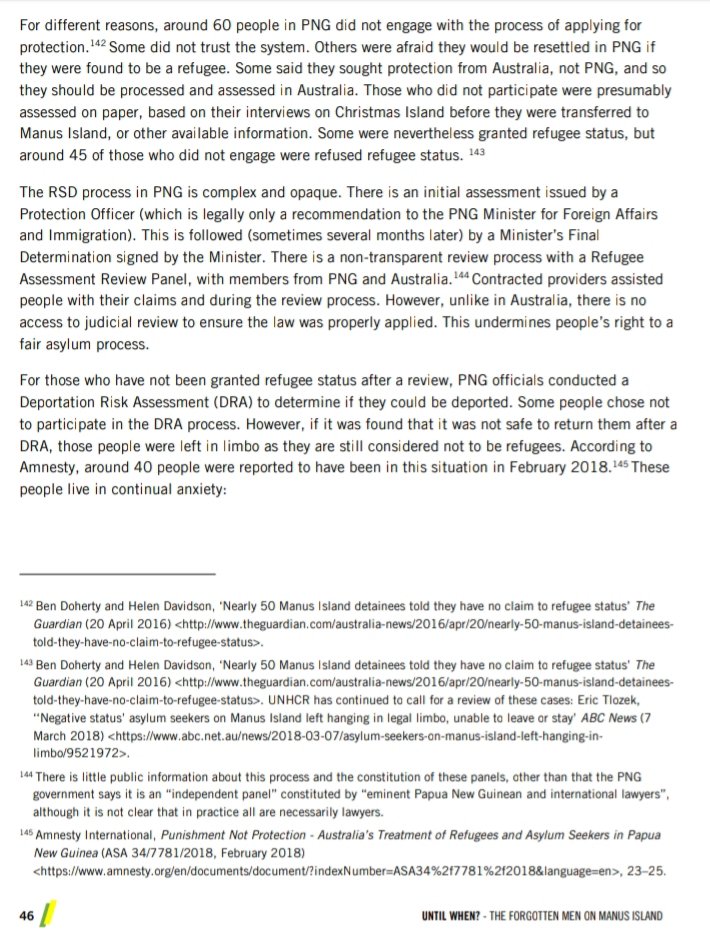
@AmnestyNZ complains despite frequent grant of asylum to uncooperative refugees on minimal information
02 Dec 2019 Leave a comment
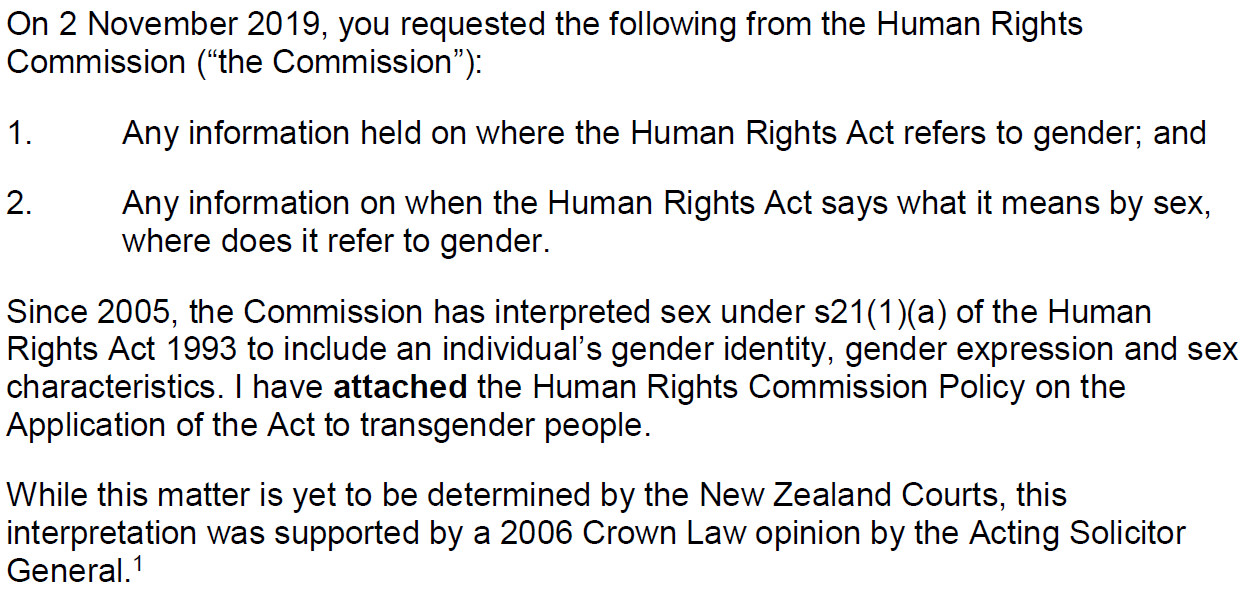
Parliament staying its hand on a 2004 private member’s bill didn’t stop @NZHumanRights from amending the law! It stands as regent over our parliament, dealing out victories that cannot be won on the floor of Parliament through normal democratic means?
01 Dec 2019 Leave a comment
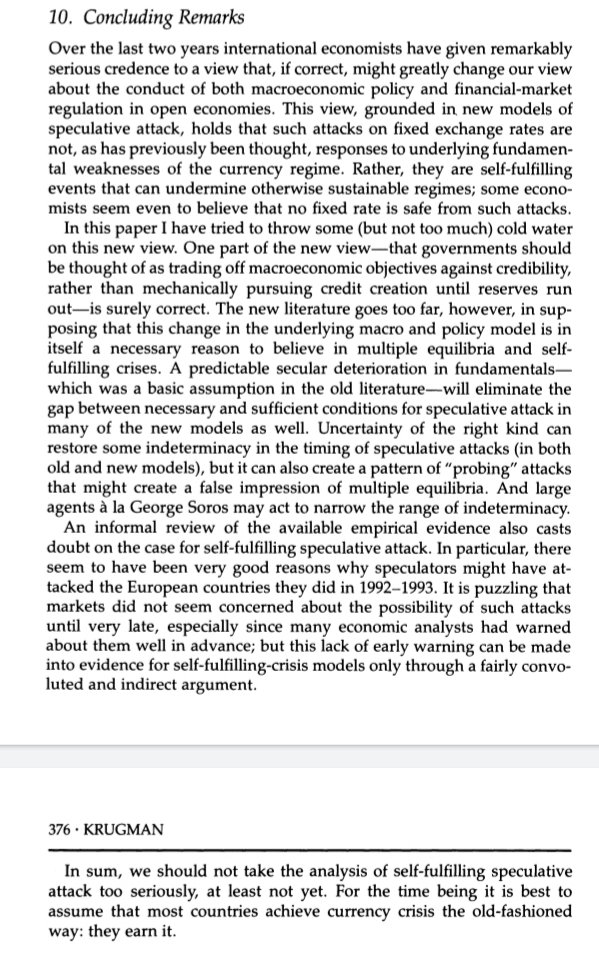
More on @paulkrugman forgetting the literature on self-fulfilling financial crises and speculative attacks
01 Dec 2019 Leave a comment
Anti-Black Bias on the IAT predicts Pro-Black Bias in Behavior
30 Nov 2019 Leave a comment

Over 20 years ago, Anthony Greenwald and colleagues introduced the Implicit Association Test (IAT) as a measure of individual differences in implicit bias (Greenwald et al., 1998). The assumption underlying the IAT is that individuals can harbour unconscious, automatic, hidden, or implicit racial biases. These implicit biases are distinct from explicit bias. Somebody could be consciously unbiased, while their unconscious is prejudice. Theoretically, the opposite would also be possible, but taking IAT scores at face value, the unconscious is more prejudice than conscious reports of attitudes imply. It is also assumed that these implicit attitudes can influence behavior in ways that bypass conscious control of behavior. As a result, implicit bias in attitudes leads to implicit bias in behavior.
The problem with this simple model of implicit bias is that it lacks scientific support. In a recent review of validation studies, I found no scientific evidence that the IAT measures…
View original post 1,521 more words
 Utopia, you are standing in it!
Recent Comments