
Tornadoes, earthquakes, heavy rainfall, abnormally low temperatures, pea-souper fogs and exploding meteors are phenomena that marked the Year Without a Summer around the world 200 years ago. But how did London fair?
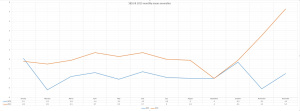 The monthly anomalies of the two years closely follow the same pattern between March and August
When extreme weather affects Britain, such as the floods plaguing northern England and Scotland, conditions in the capital are benign by comparison.
There is not a great deal written in the press about the weather in London in 1816. So, as ever, Luke Howard’s The Climate of London, is a primary reference point.
After a wild end to 1815 that was marked with snow and lightning 1816 started dry, cold and frosty. Though cold by today’s standards January 1816 was fairly average and much warmer than the previous two when the last Thames frost fair was held.
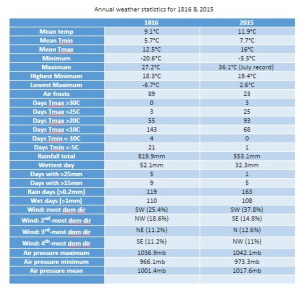 The highs and lows…
View original post 1,869 more words
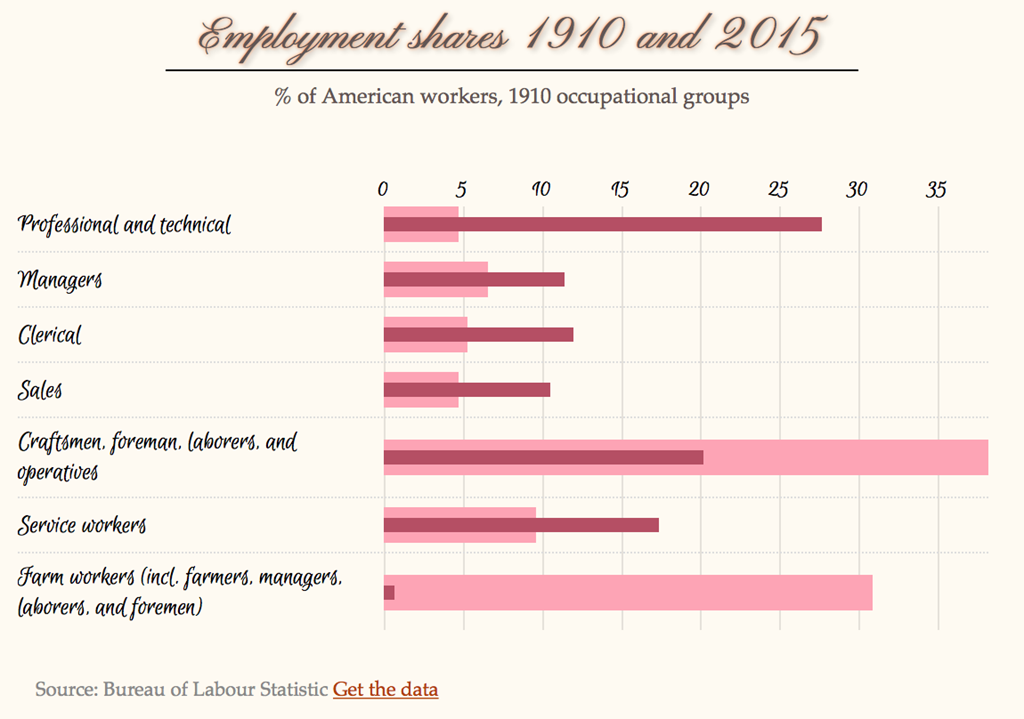




 Welcome to the second edition of my occasional newsletter on climate and energy issues. As a reminder, my day-to-day research or writing is focused on sports governance and science policy. But I’ve written a fair bit on the topics of climate and energy over the past 25 years, including two books and a boatload of academic papers, and I’m paying attention. So caveat lector!
 Utopia, you are standing in it!
Recent Comments