South Australia’s Wind Power Obsession Leads to Highest Power Prices in the World
02 Jul 2017 Leave a comment
in economics

By reason of its maniacal obsession with wind power, South Australia has become the butt of international jokes, and the object of plenty of sniggering from those occupying neighbouring states.
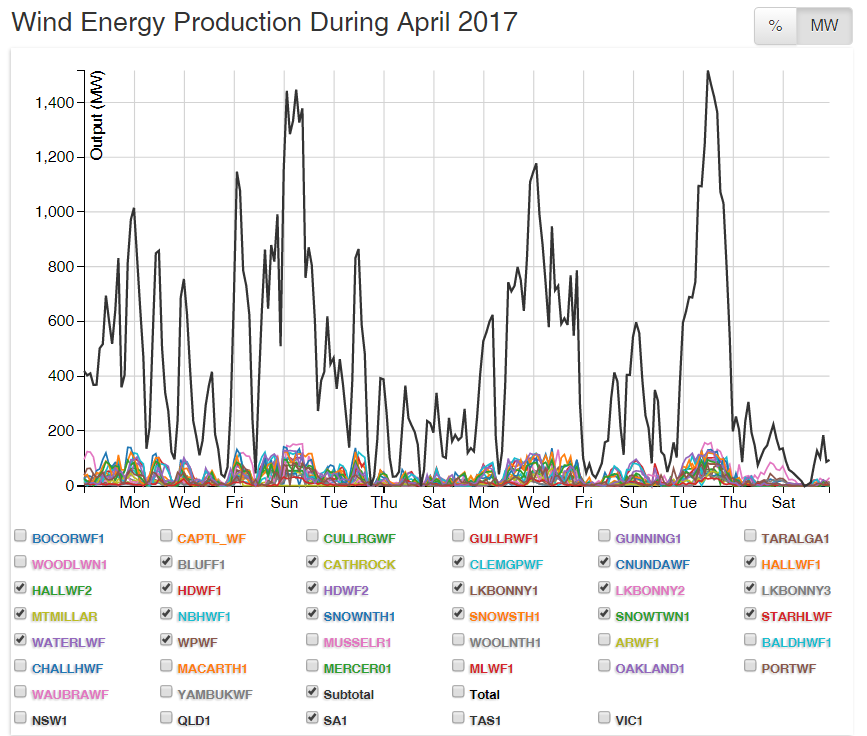
These days, it’s almost impossible to read an article about South Australia’s economic misfortunes in which there is no mention of routine load-shedding and mass blackouts – the result of total and totally unpredictable collapses in wind power output (see above and further below, the output for April, May, June, from every wind farm in SA with a notional capacity of 1,698MW, courtesy of Aneroid Energy).
In addition to a grid that could only be the envy of impoverished Equatorial Africans, its attempt to run on sunshine breezes has left Croweaters with the highest power prices in the world. The runner-up is another notionally wind powered contender, Denmark [note to Ed: coincidence?]
Once upon a time, under the careful…
View original post 2,851 more words
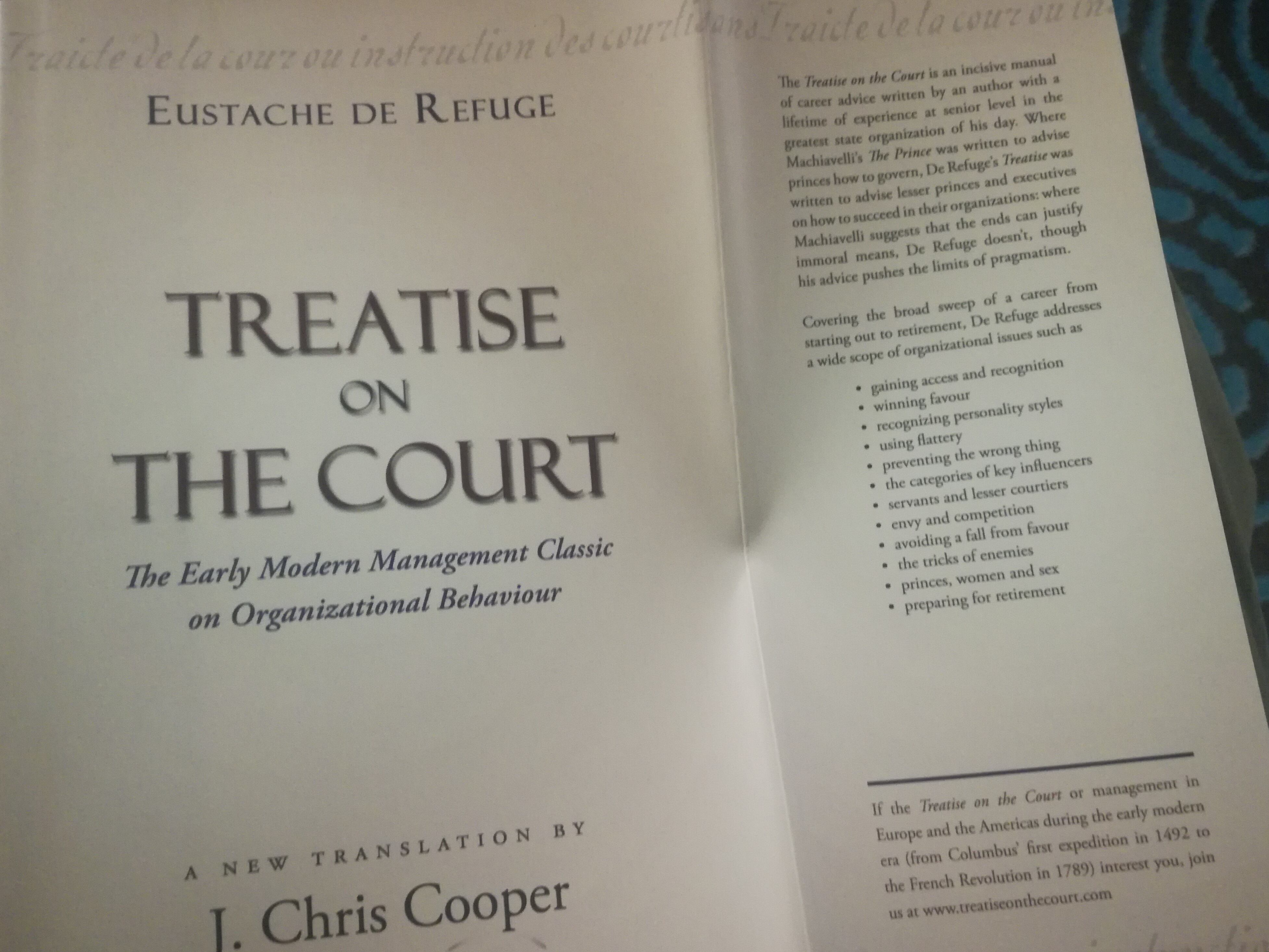
My airport read. Tullock translated it as A Guide for the Ambitious Courtier in 1963
02 Jul 2017 Leave a comment
in comparative institutional analysis, constitutional political economy, economics of bureaucracy, Public Choice, rentseeking
Indian Village Wants “Real Electricity”, Not Greenpeace’s “Fake” Solar
02 Jul 2017 Leave a comment
in economics
Happy Dominion Day! Let’s Celebrate the Incoherence of “Canada at 150”
02 Jul 2017 Leave a comment

The July 1st Specials
Happy Dominion Day! Or “Happy Canada Day” to the uninitiated. Here are some my articles and blog posts pertaining to the celebrations on July 1st.
View original post 962 more words
Impact of Paris Climate Accord and why Trump was right to dump it
02 Jul 2017 1 Comment
in economics

The much touted Paris Climate Accord aims at worldwide reduction of carbon dioxide emissions in order to keep global temperatures from rising more than 2°C above pre-industrial levels. This goal is purely arbitrary and based not upon any physical evidence, but upon the unproven assumption that carbon dioxide emissions play a significant role in global warming. What the Paris Accord really does is to transfer trillions of dollars from industrialized countries, mainly the US, to the sticky-fingered United Nations and to developing nations. It has a very minimal effect on global warming.
Several studies estimate the actual effects of the Accord. The most recent is from Bjorn Lomborg, published in the peer-reviewed journal, Global Policy (read full paper). Here is the paper abstract:
This article investigates the temperature reduction impact of major climate policy proposals implemented by 2030, using the standard MAGICC climate model [developed at the National…
View original post 524 more words
Unsurprising evidence that hiking the minimum wage hurts low wage workers
02 Jul 2017 Leave a comment
in economics
The First Email and the Origin of the @ Symbol
02 Jul 2017 Leave a comment
in economics of media and culture
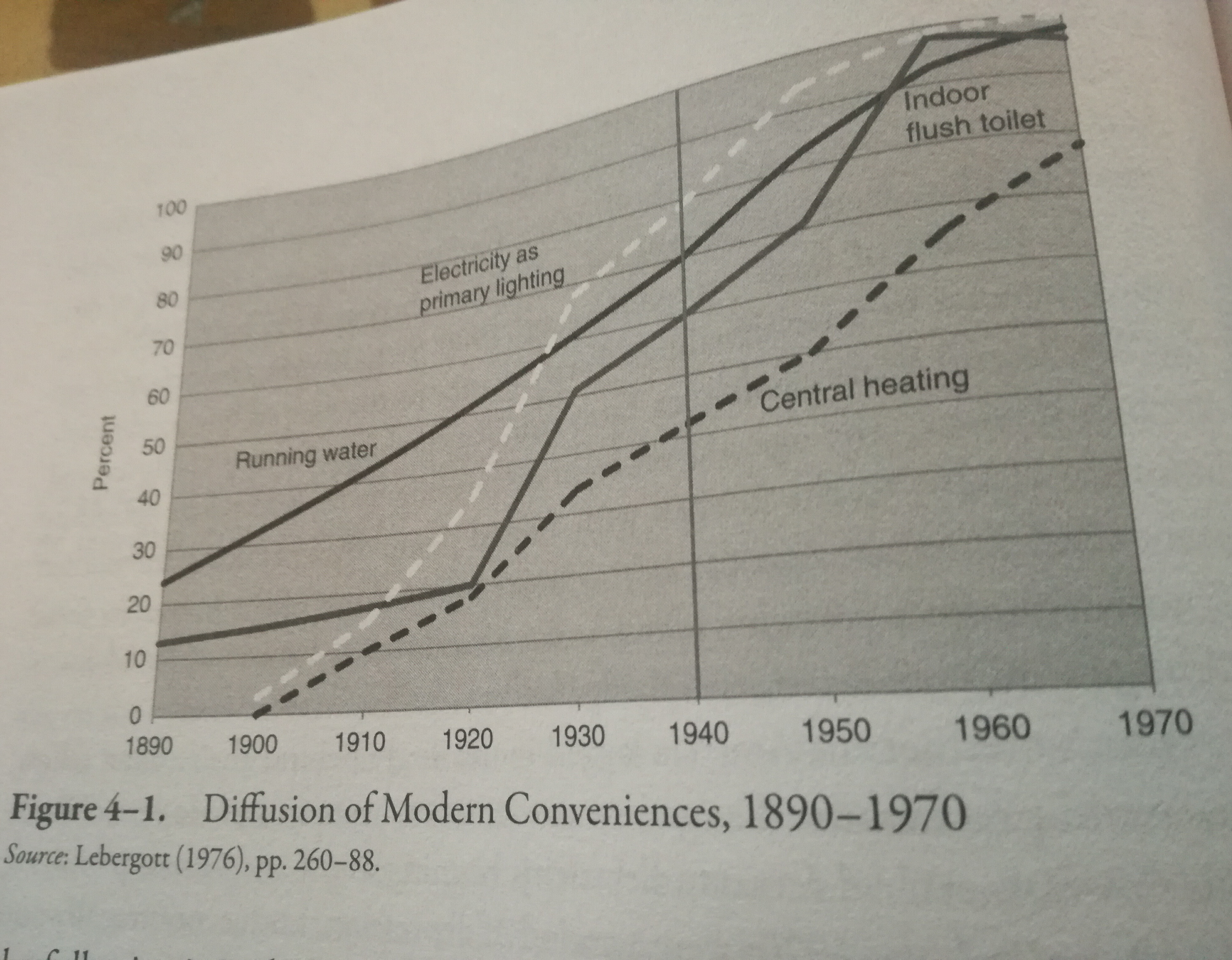
Creative destruction in jobs is nothing new
02 Jul 2017 Leave a comment
in economic history, industrial organisation, labour economics, labour supply, survivor principle Tags: automaton, creative destruction

The economics behind music festivals
02 Jul 2017 Leave a comment
in applied price theory, entrepreneurship, industrial organisation, Music, survivor principle
In One Image, Everything You Need to Know about Health Insurance, Community Rating, and Pre-Existing Conditions
02 Jul 2017 Leave a comment
in economics

When discussing government involvement in the health sector, I usually focus on the budgetary implications. Which makes sense since I’m a fiscal wonk and programs such as Medicare, Medicaid, and Obamacare are diverting ever-larger amounts of money from the economy’s productive sector.
I also look at the tax side of the fiscal equation and complain about how the healthcare exclusion mucks up the tax code.
Though it’s important to understand that government involvement doesn’t just cause fiscal damage. All these programs and policies contribute to the “third-party payer” problem, which exists when people make purchases with other people’s money. 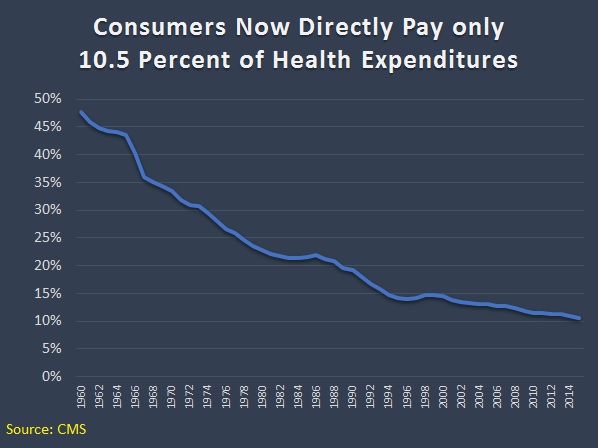 Such a system is a recipe for inefficiency and rising prices since consumers generally don’t care about cost and providers have no incentive to be efficient. And since government figures show that nearly 90 percent of health care expenditures are financed by someone other than the consumer, this is
View original post 949 more words
 Utopia, you are standing in it!
Recent Comments