
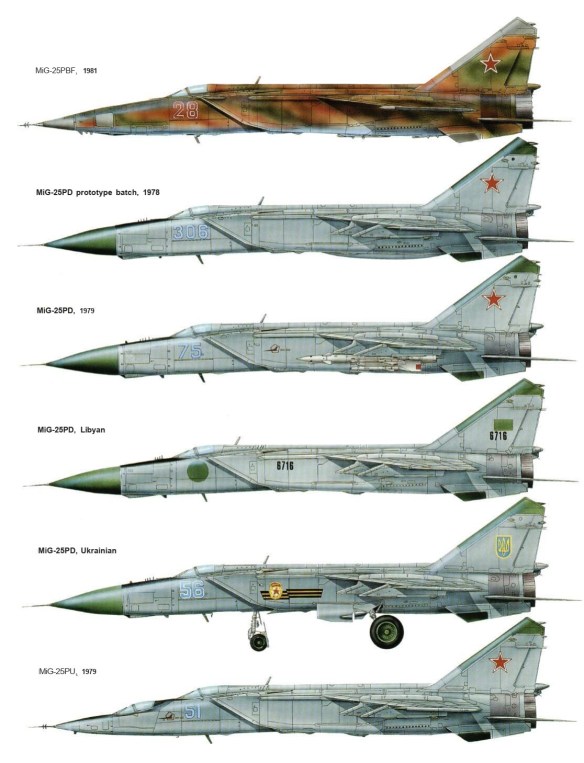
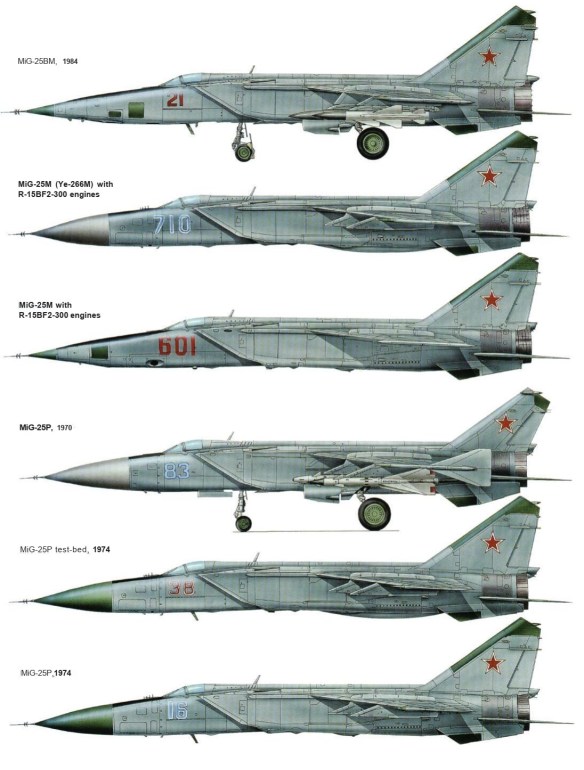
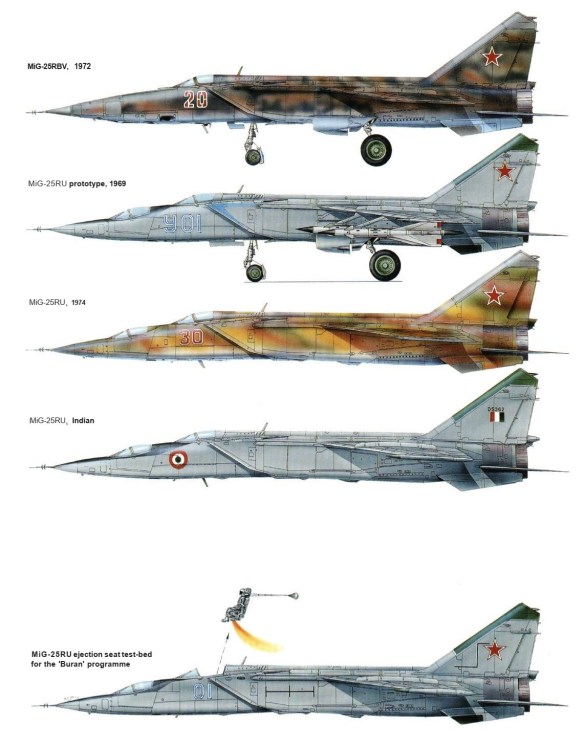
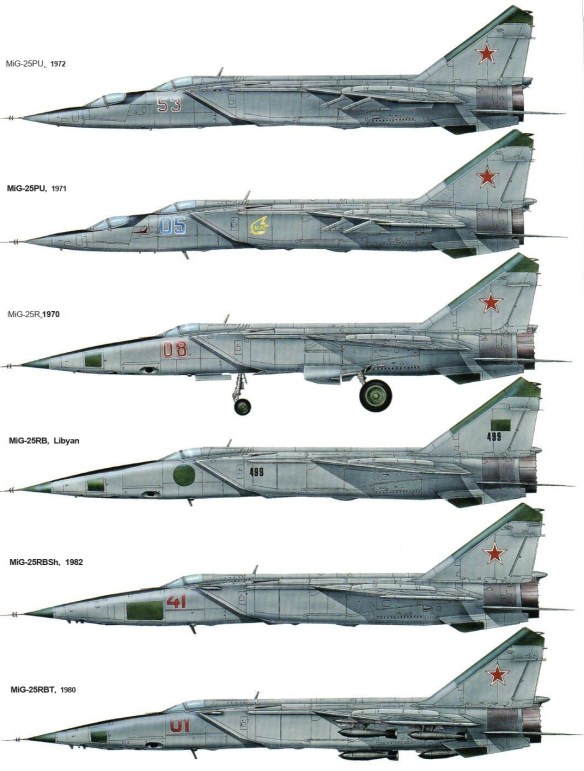
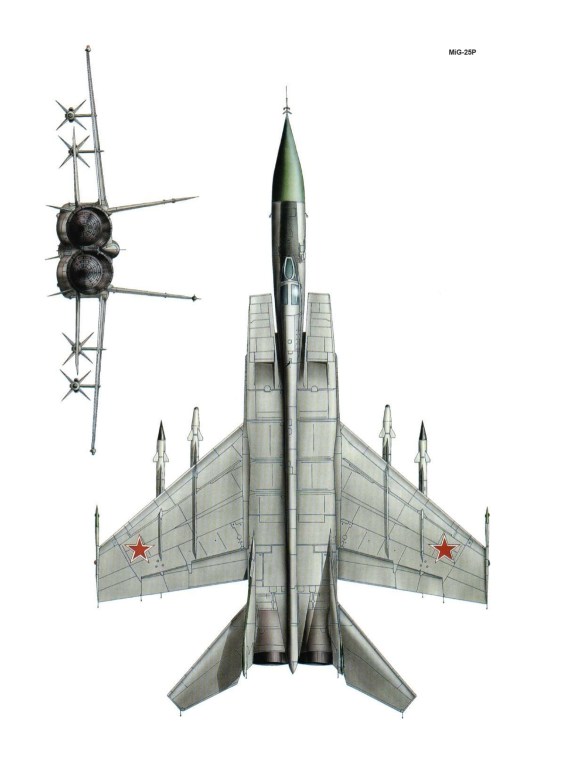
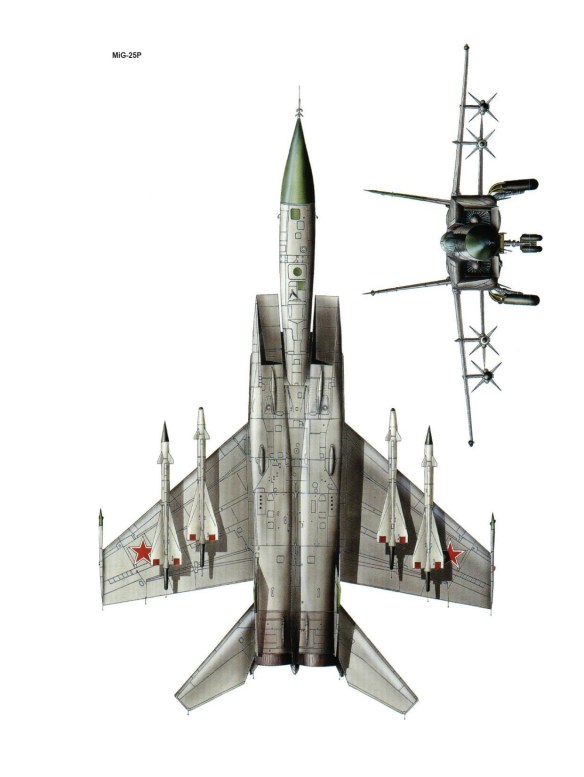
With its extensive borders – territorial, maritime and arctic – the Soviet Union had always needed to pay particular attention to its air defence. In the late 1950s a new lightweight turbojet, the R15-300, offered the potential to develop a fundamentally new type of interceptor. The Mikoyan-Gurevich (MiG) design bureau took up the challenge and the project was designated E-155.
Powered by a combination of jet and rocket engines, the machine aircraft promised dazzling performance. It could intercept targets flying at 2,500mph (4,000km/h) at 18-30 miles (30- 50km) high more than 100 miles away. Armament was to include K-9 air-to-air missiles (AAMs), with plans to replace them with the more advanced K-155s.
By 1960 this hypersonic dream was abandoned and efforts were concentrated on the S-155 weapon system, comprising a rethought E-155P interceptor, armed with two K-9 all-aspect AAMs and Kh-155 rockets.
The E-155`s tactical radius enabled its use beyond…
View original post 1,358 more words


Recent Comments