Celebrating humanity's flourishing through the spread of capitalism and the rule of law
26 Sep 2026 Leave a comment
in budget deficits, business cycles, fiscal policy, history of economic thought, job search and matching, labour economics, labour supply, macroeconomics, monetary economics, unemployment Tags: monetary policy
26 Sep 2026 Leave a comment
in economics of crime, law and economics, politics - Australia, politics - USA
Assange is a hero to many, but even a hero must comply with the ordinary criminal law, whether it be that of Australia, Britain or Sweden. Important principles of freedom of speech and open government are at stake, but these should not blind us to the importance of the rule of law. No one should be above the law, not even Assange.
26 Sep 2026 Leave a comment
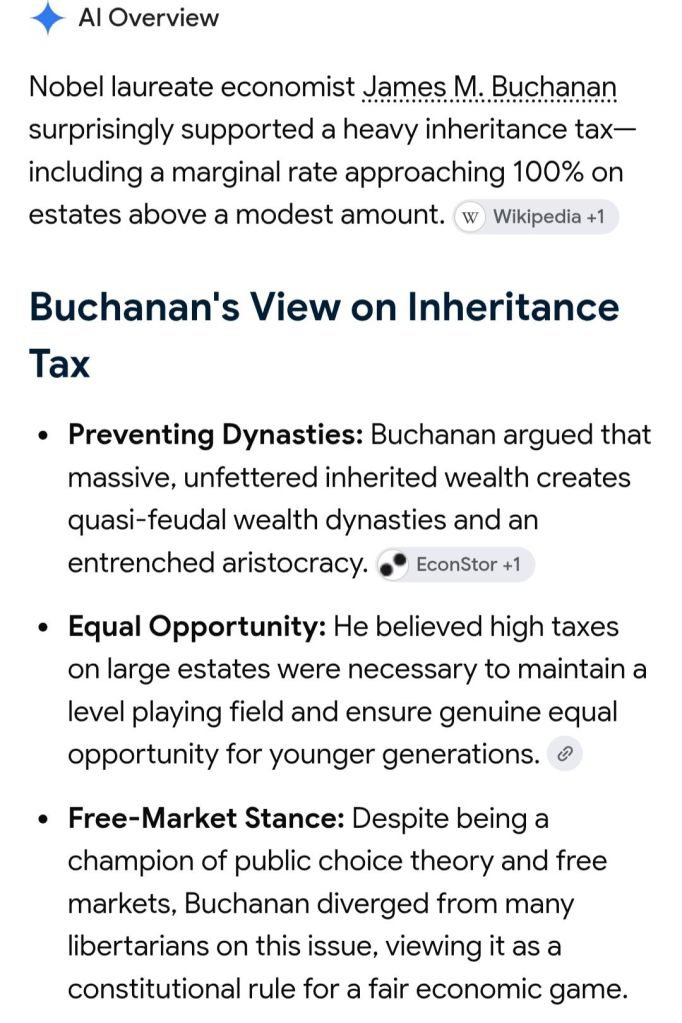
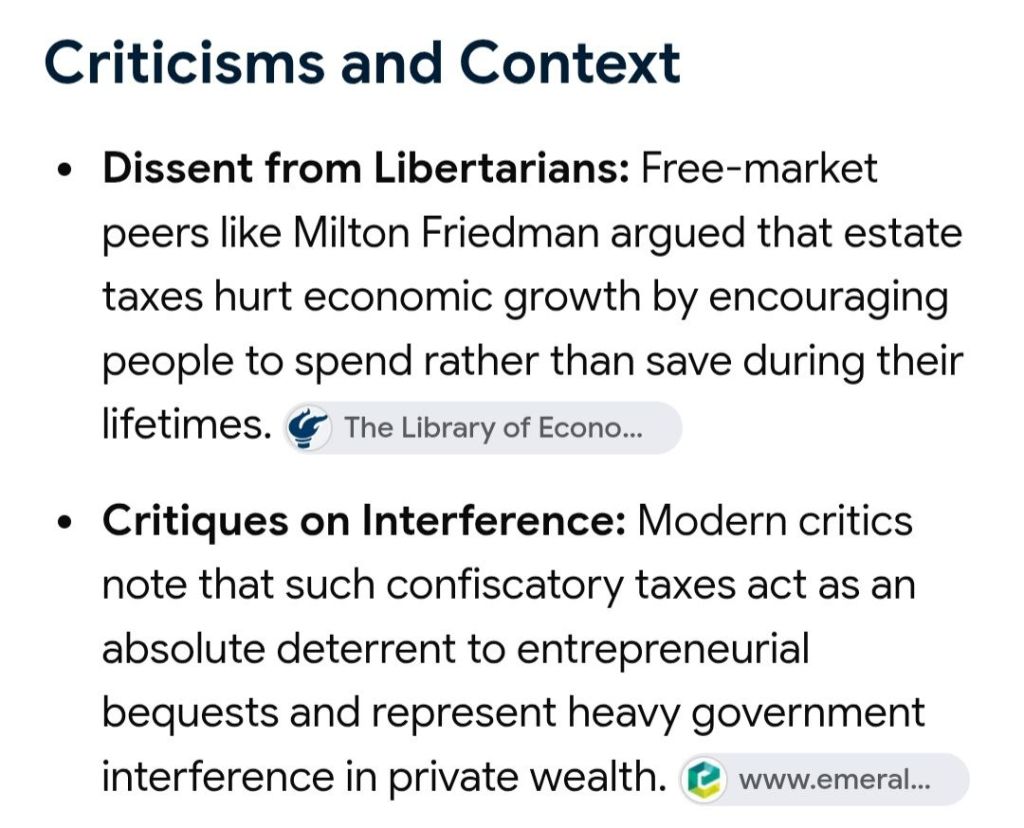
in applied price theory, entrepreneurship, history of economic thought, human capital, income redistribution, James Buchanan, James Buchanan, labour economics, labour supply, Milton Friedman, poverty and inequality, Public Choice, public economics Tags: inheritance tax, taxation and entrepreneurship, taxation and investment
26 Sep 2026 Leave a comment
in defence economics, economics of crime, law and economics, laws of war, war and peace Tags: war against terror

I have to set this out at the start of this post. None of this has been investigated by me, it has all been done by other journalists. However all of this has been verified by me. All the relevant links are included in the post. It is also noteworthy to mention that I don’t […]
Sinn Fein’s Links to PLO, Hamas, ETA and of course, IRA and Other Terrorist Organisations
26 Sep 2026 Leave a comment
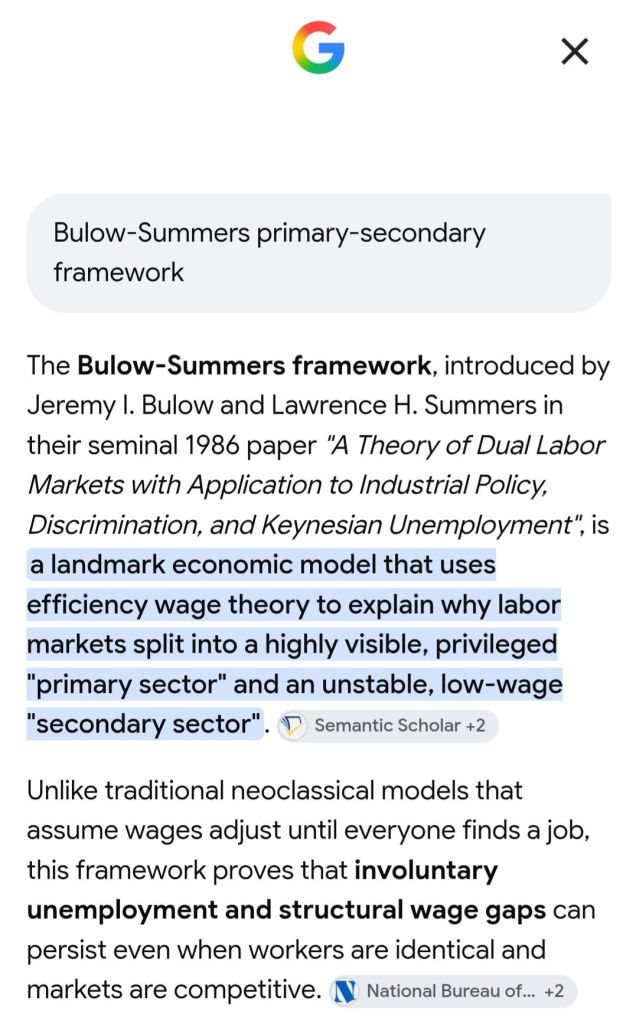
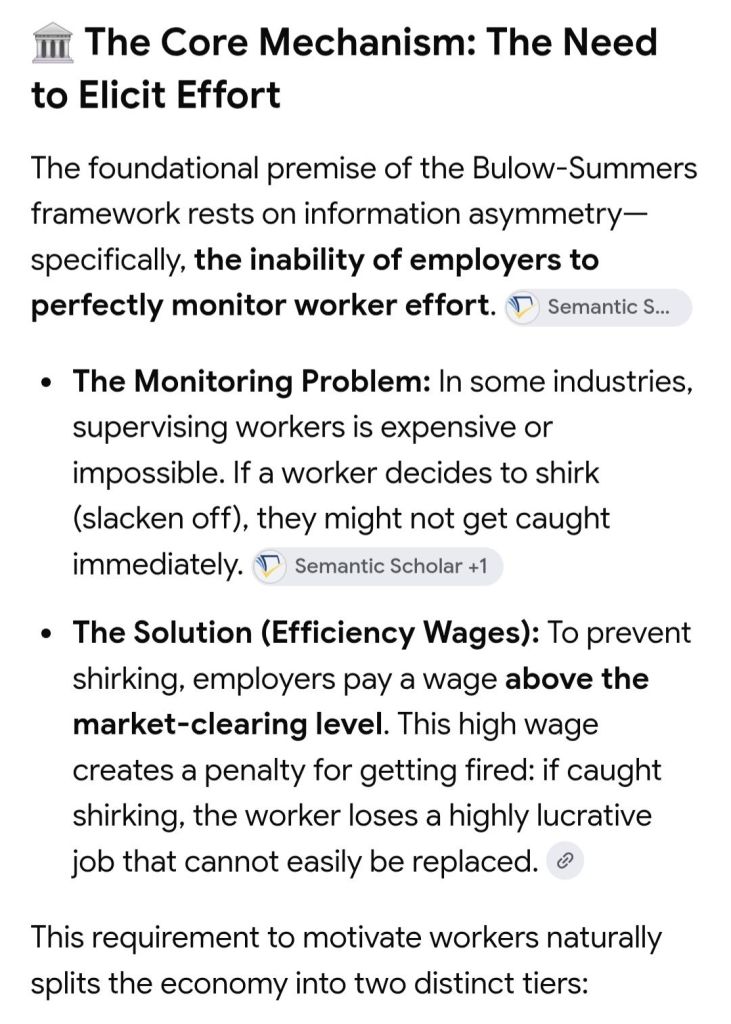
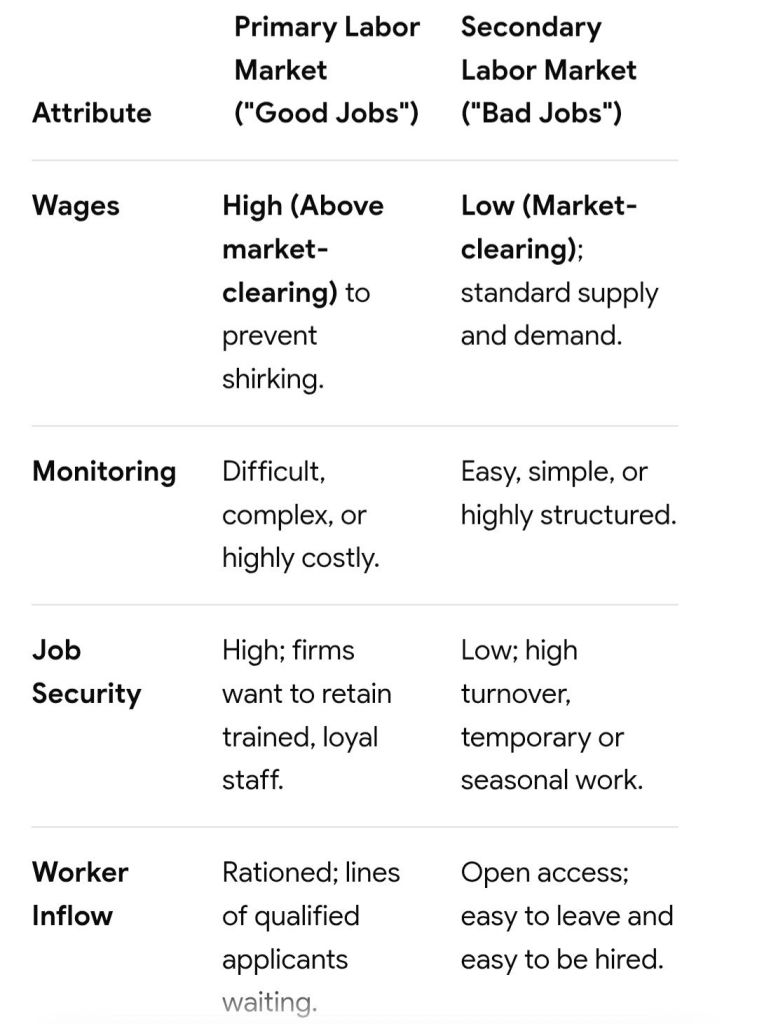
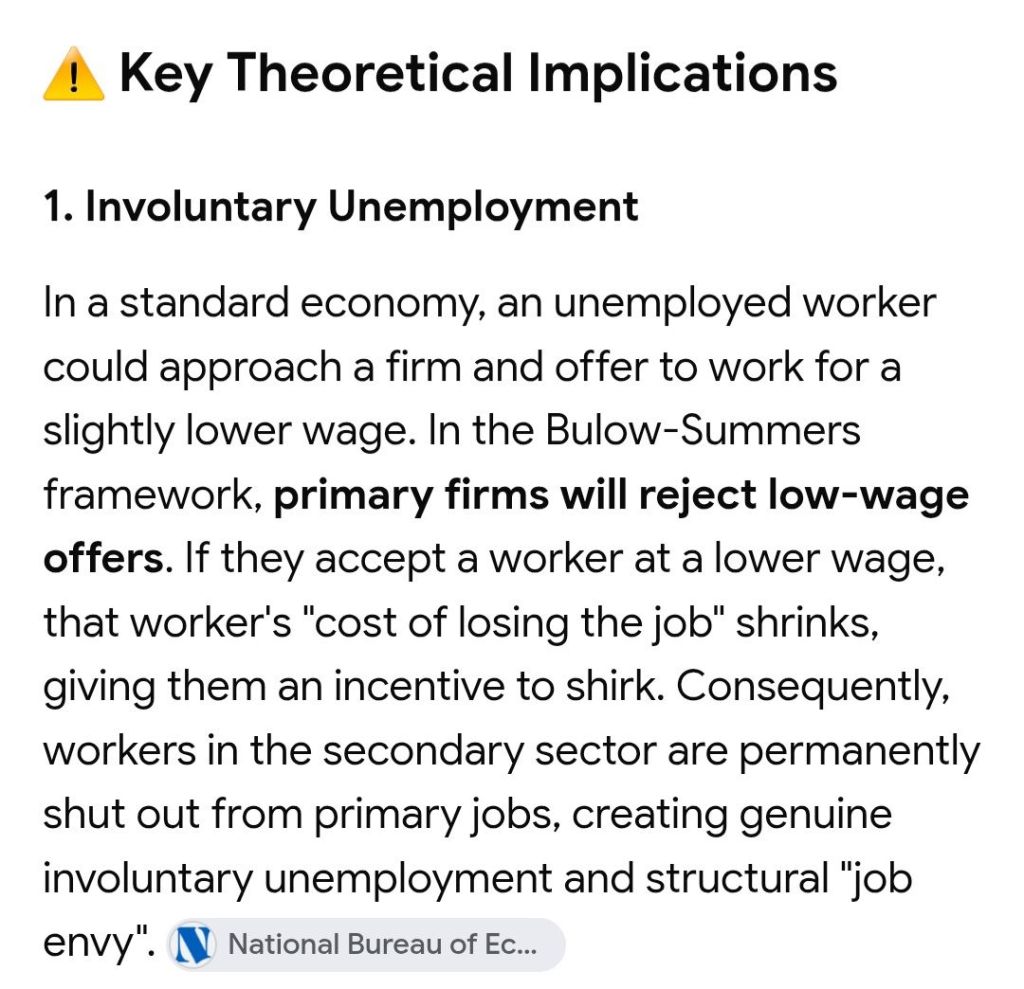
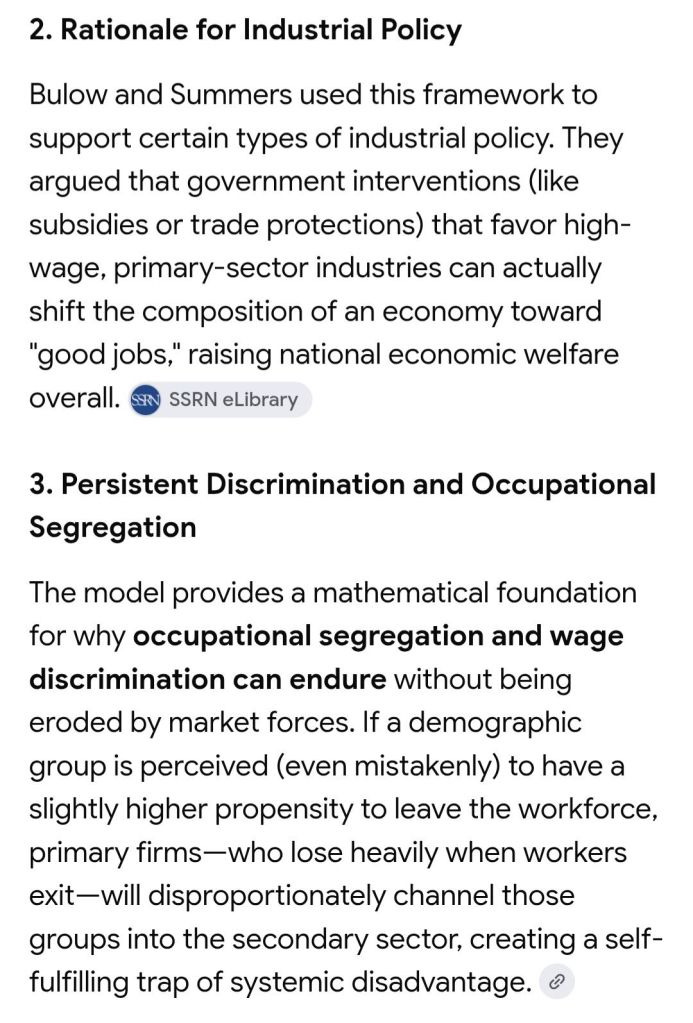
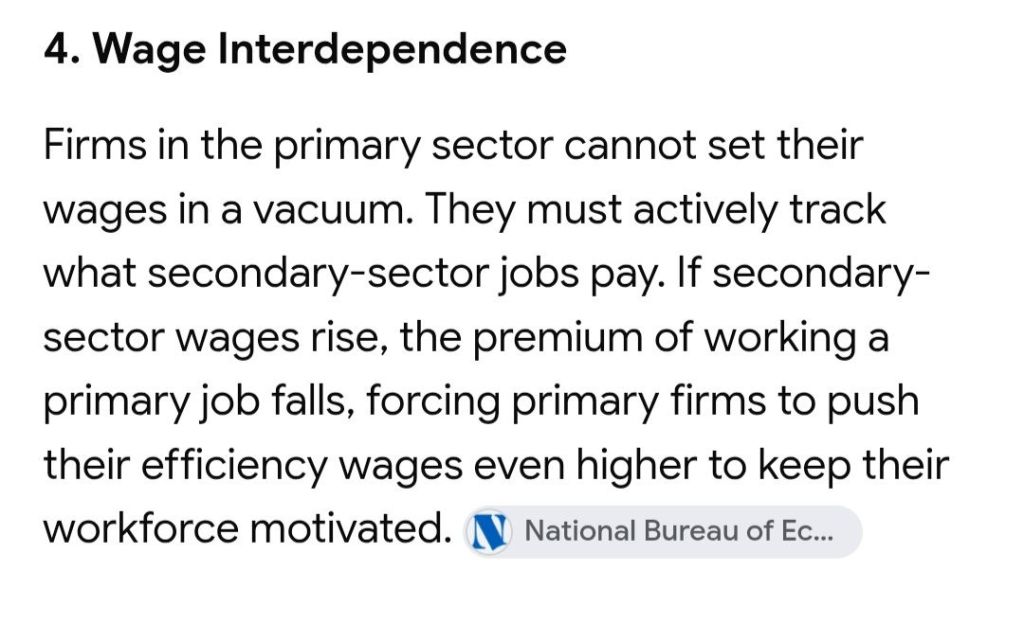
in applied price theory, economics of information, history of economic thought, industrial organisation, labour economics, labour supply, personnel economics, poverty and inequality Tags: dual labour markets, efficiency wage
26 Sep 2026 Leave a comment
in liberalism, Marxist economics, politics - USA
Karl Marx believed that “Democracy is the road to socialism.” Socialists seem to have found a generation of dupes to…
The Socialist Chic: Almost Half of Americans Now Hold Positive Views of Socialism
25 Sep 2026 1 Comment
in economic history, politics - USA Tags: constitutional law, free speech, political correctness
In the 1930s, New Jersey passed the most sweeping hate speech law in American history. [UPDATE: Originally erroneously posted under Eugene Volokh’s byline; this post is from guest-blogger Samantha Barbas.]
The Anti-Nazi Law
25 Sep 2026 Leave a comment
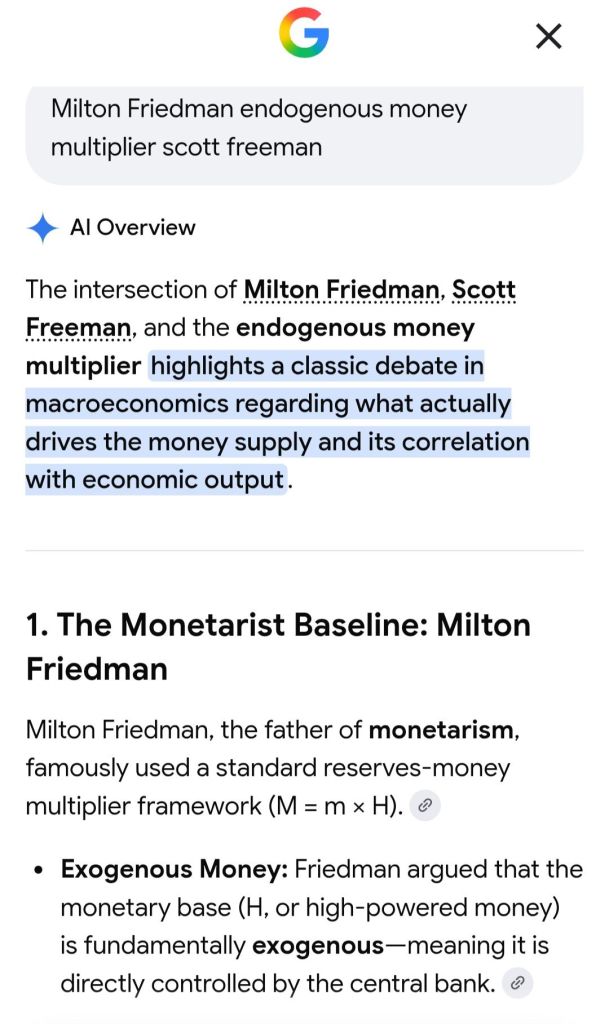
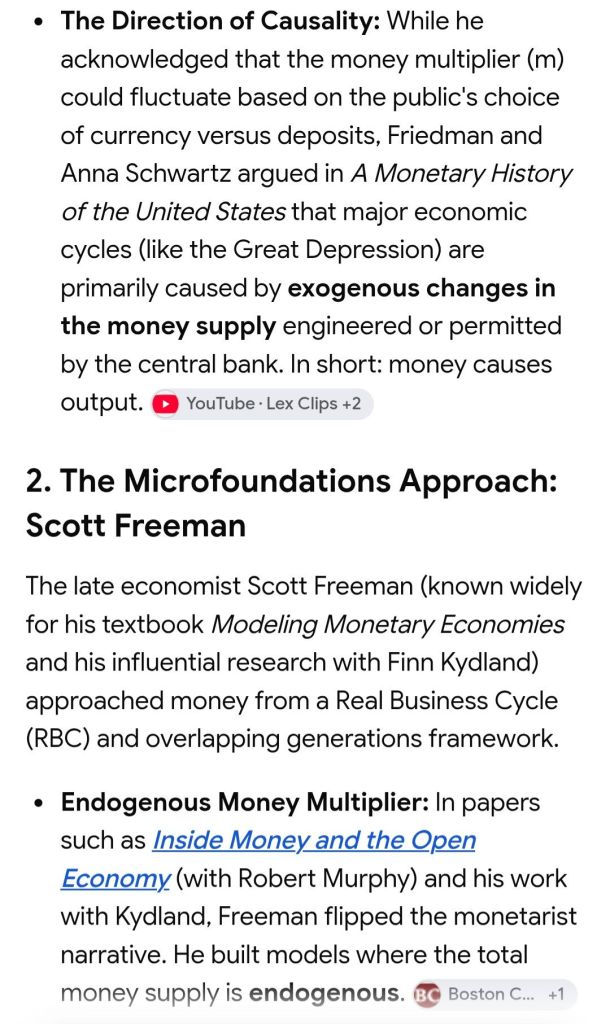
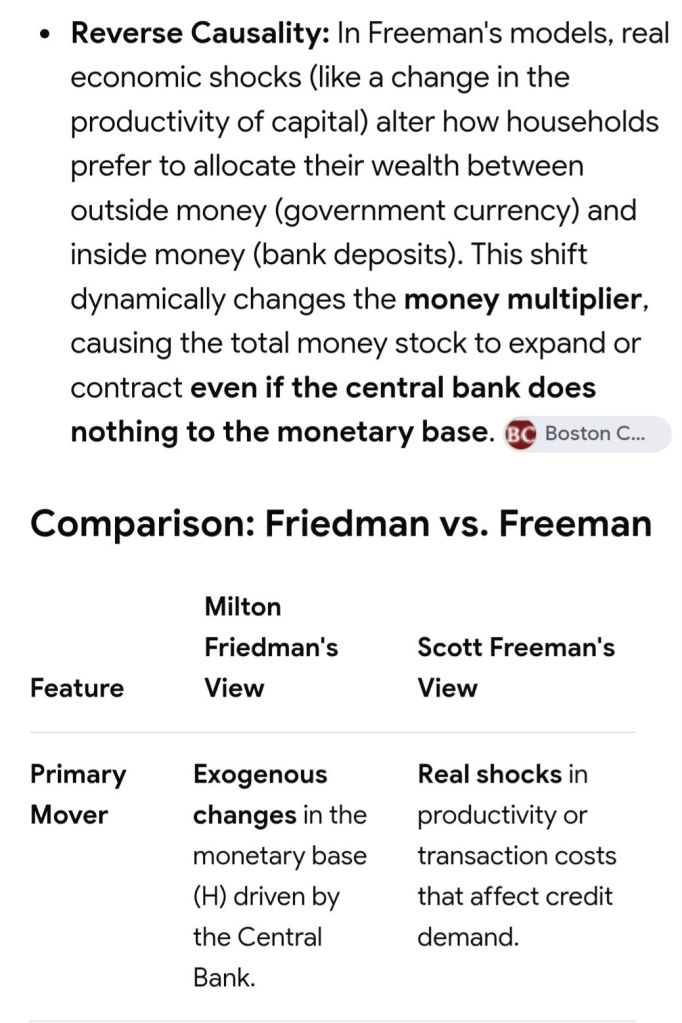
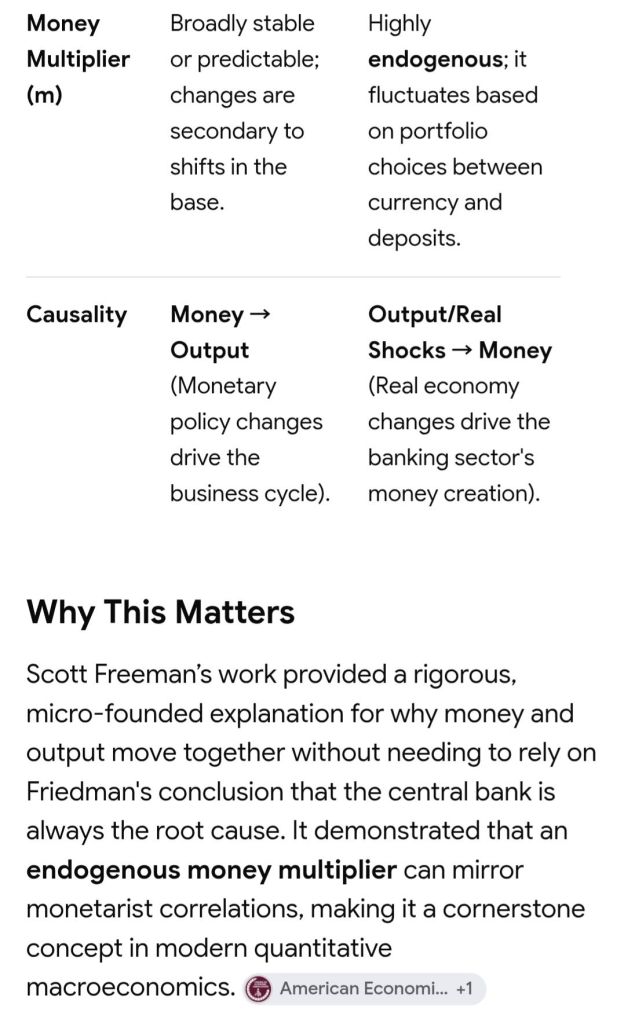
in applied price theory, business cycles, econometerics, economic history, history of economic thought, macroeconomics, Milton Friedman, monetarism, monetary economics Tags: monetary policy
25 Sep 2026 Leave a comment
in Adam Smith, applied price theory, health and safety, history of economic thought, human capital, labour economics, labour supply, occupational choice, poverty and inequality
24 Sep 2026 Leave a comment
in economic history, health economics Tags: The Great Enrichment, The Great Escape

The importance of clean water for public health is thoroughly uncontroversial in modern times. In the temporary absence of a safe water source, one recommendation is to boil water for drinking, which will kill off most bacteria and other pathogens. 668 more words
Tea drinking and mortality in pre-industrial England
24 Sep 2026 Leave a comment
in defence economics, economic history, International law, laws of war, politics - USA, war and peace Tags: World War II
‘No man ever came to the presidency of the United States under more difficult circumstances than does Harry S. Truman.’ (Uncredited Los Angeles Times columnist in April 1945) ‘Those French ought to be taken out and castrated.’ (One of Truman’s shooting-from-the-hip opinions) This is the tenth new book I’ve ordered from Amazon which has arrived […]
The Accidental President by A.J. Baime (2017)
24 Sep 2026 Leave a comment
in applied price theory, economic history, economics of regulation, income redistribution, law and economics, liberalism, Marxist economics, property rights, Public Choice, regulation, rentseeking, urban economics Tags: Germany, rent control

The Left wants to cure the city’s high housing costs by expropriating 225,000 apartments owned by large real estate corporations.
The Far-Left Wins Berlin’s Election on the Promise of Seizing Private Apartments
24 Sep 2026 Leave a comment
in applied price theory, econometerics, human capital, labour economics, labour supply, transport economics, urban economics Tags: economics of immigration

Are the externalities of airports positive or negative? If you base your answer on NIMBY complaining, the answer is obviously negative. Above all, there’s the noise. The deafening sounds of take-off and landing bedevil everyone who spends time near the airport. On top of that, there’s daily traffic. Not every airport is LAX (in fact,…
The Externalities of Airports and Immigrants
Celebrating humanity's flourishing through the spread of capitalism and the rule of law
Celebrating humanity's flourishing through the spread of capitalism and the rule of law
Celebrating humanity's flourishing through the spread of capitalism and the rule of law
Celebrating humanity's flourishing through the spread of capitalism and the rule of law
Celebrating humanity's flourishing through the spread of capitalism and the rule of law
Celebrating humanity's flourishing through the spread of capitalism and the rule of law
Celebrating humanity's flourishing through the spread of capitalism and the rule of law
Celebrating humanity's flourishing through the spread of capitalism and the rule of law
Celebrating humanity's flourishing through the spread of capitalism and the rule of law
A History of the Alt-Right
Econ Prof at George Mason University, Economic Historian, Québécois
Celebrating humanity's flourishing through the spread of capitalism and the rule of law
Scholarly commentary on law, economics, and more
Beatrice Cherrier's blog
Celebrating humanity's flourishing through the spread of capitalism and the rule of law
Celebrating humanity's flourishing through the spread of capitalism and the rule of law
Celebrating humanity's flourishing through the spread of capitalism and the rule of law
Why Evolution is True is a blog written by Jerry Coyne, centered on evolution and biology but also dealing with diverse topics like politics, culture, and cats.
Celebrating humanity's flourishing through the spread of capitalism and the rule of law
A rural perspective with a blue tint by Ele Ludemann
DPF's Kiwiblog - Fomenting Happy Mischief since 2003
Celebrating humanity's flourishing through the spread of capitalism and the rule of law
The world's most viewed site on global warming and climate change
Tim Harding's writings on rationality, informal logic and skepticism
A window into Doc Freiberger's library
Let's examine hard decisions!
Commentary on monetary policy in the spirit of R. G. Hawtrey
Thoughts on public policy and the media
Celebrating humanity's flourishing through the spread of capitalism and the rule of law
Politics and the economy
A blog (primarily) on Canadian and Commonwealth political history and institutions
Reading between the lines, and underneath the hype.
Economics, and such stuff as dreams are made on
"The British constitution has always been puzzling, and always will be." --Queen Elizabeth II
Celebrating humanity's flourishing through the spread of capitalism and the rule of law
Celebrating humanity's flourishing through the spread of capitalism and the rule of law
WORLD WAR II, MUSIC, HISTORY, HOLOCAUST
Undisciplined scholar, recovering academic
Celebrating humanity's flourishing through the spread of capitalism and the rule of law
Res ipsa loquitur - The thing itself speaks
In Hume’s spirit, I will attempt to serve as an ambassador from my world of economics, and help in “finding topics of conversation fit for the entertainment of rational creatures.”
Researching the House of Commons, 1832-1868
Reflections on books and art
Posts on the History of Law, Crime, and Justice
Celebrating humanity's flourishing through the spread of capitalism and the rule of law
Exploring the Monarchs of Europe



Recent Comments