The US semiquincentennial (that is, half of 500 years) will be July 4 of this year, but economists celebrated a 250th anniversary of their own on March 9, marking the original publication date of Adam Smith’s An Inquity into the Nature and Causes of the Wealth of Nations. It’s of course fundamentally impossible to sum up…
The Wealth of Nations: What’s It all About?
The Wealth of Nations: What’s It all About?
20 Mar 2026 1 Comment
in history of economic thought, Adam Smith
The Wealth of Nations: Happy 250th Birthday!
09 Mar 2026 Leave a comment
in development economics, applied price theory, economic history, Adam Smith, comparative institutional analysis
TweetIn today’s National Post I celebrate the 250th anniversary – which is this coming Monday, March 9th – of the publication of Adam Smith’s An Inquiry Into the Nature and Causes of the Wealth of Nations. A slice: Smith then inquired into wealth’s causes. He didn’t inquire into the causes of poverty. Smith understood that…
The Wealth of Nations: Happy 250th Birthday!
Quotation of the Day…
27 Dec 2025 Leave a comment
in Adam Smith, Bill Easterly, development economics, economic history, history of economic thought, Milton Friedman

Tweet… is from page 298 of William Easterly’s brilliant 2025 book, Violent Saviors: The West’s Conquest of the Rest [footnote deleted; link added]: The Friedman’s [Milton and Rose] liked markets because they could make individual self-determination possible for all groups. Markets allowed “the freedom of individuals to pursue their own objective.” Markets made this possible…
Quotation of the Day…
Adam Smith And Joseph Campbell On The Dangers Of “The Man Of System”
23 Dec 2025 Leave a comment
in Adam Smith, applied price theory, comparative institutional analysis, economics of information, economics of regulation, history of economic thought
Here is a passage from The Theory of Moral Sentiments by Smith (author of the book The Wealth of Nations in 1776 that started economics) at the Library of Economics and Liberty. Smith emphasizes the arrogance and conceit of those who think they can arrange society any way they want. In a separate passage, Smith…
Adam Smith And Joseph Campbell On The Dangers Of “The Man Of System”
Milton Friedman Did Not Concoct a False Image of Adam Smith
21 Sep 2025 Leave a comment
in Adam Smith, history of economic thought, Milton Friedman
TweetHere’s a letter to the Wall Street Journal. Editor: Glory Liu argues that, in reality, Adam Smith wasn’t as favorably disposed to free markets as Milton Friedman portrayed him as being (“Adam Smith Is Known for His ‘Invisible Hand’ Theory. The Truth Is More Complex.” September 13). Her evidence for this thesis is thin. While,…
Milton Friedman Did Not Concoct a False Image of Adam Smith
Adam Smith Meets Jonathan Haidt (on political polarization and the animosity of hostile factions)
27 Aug 2025 Leave a comment
in Adam Smith, economics of education
Jonathan Haidt wrote the book The Righteous Mind: Why Good People Are Divided by Politics and Religion. It is about how polarized and nasty our politics have become, how everyone loves to demonize and ridicule anyone from a different political party. But these are things that Adam Smith talked about in his book The Theory…
Adam Smith Meets Jonathan Haidt (on political polarization and the animosity of hostile factions)
Property, liberty, transparency: the principled basis for the Regulatory Standards Bill
04 Feb 2025 Leave a comment
in Adam Smith, applied price theory, economics of bureaucracy, economics of regulation, law and economics, politics - New Zealand, property rights, Public Choice, rentseeking
Bryce Wilkinson writes – If you believe some of its critics, the pending Regulatory Standards Bill is a demonic measure to end New Zealand society as we know it. This is beyond false; it is ridiculous. In fact, it is a modest transparency measure. It will better inform the public about laws and regulations likely […]
Property, liberty, transparency: the principled basis for the Regulatory Standards Bill
Quotation of the Day…
19 Jan 2025 1 Comment
in Adam Smith, applied price theory, comparative institutional analysis, development economics, economic history, economics of love and marriage, economics of regulation, entrepreneurship, history of economic thought, industrial organisation, labour economics, labour supply, law and economics, poverty and inequality, property rights, unemployment
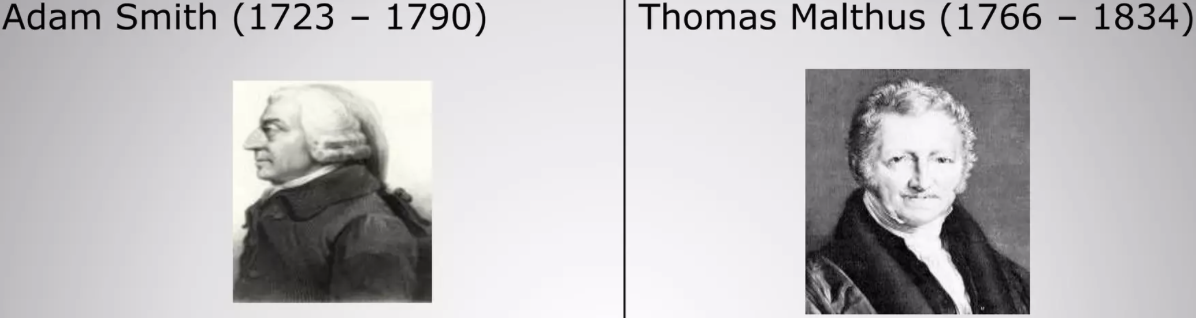
Tweet… is from page 53 of the late, great Harold Demsetz’s excellent 2008 book, From Economic Man to Economic System: Adam Smith and Thomas Malthus differed in their forecasts of mankind’s future. Smith (1776), in his Wealth of Nations, offered an optimistic view, basing this on his understanding of the new economic system that began…
Quotation of the Day…
Adam Smith Meets Jonathan Haidt (on political polarization and the animosity of hostile factions)
22 Aug 2024 1 Comment
in Adam Smith, economics of education, liberalism, Marxist economics, politics - USA Tags: free speech, political correctness, regressive left. Age of Enlightenment
Jonathan Haidt wrote the book The Righteous Mind: Why Good People Are Divided by Politics and Religion. It is about how polarized and nasty our politics have become, how everyone loves to demonize and ridicule anyone from a different political party. But these are things that Adam Smith talked about in his book The Theory…
Adam Smith Meets Jonathan Haidt (on political polarization and the animosity of hostile factions)
Plenary Session Tyler Cowen | 2022 International Adam Smith Society Conference
28 Jul 2022 Leave a comment
in Adam Smith, history of economic thought
Lynne Kiesling: The Smith Questionnaire 2020
25 Apr 2022 Leave a comment
in Adam Smith, applied price theory, history of economic thought
Fiscal theory of the price level = inflation ultimately comes from government debt, as opposed to the central bank printing money
25 Feb 2022 Leave a comment
in Adam Smith, financial economics, fiscal policy, history of economic thought, macroeconomics, monetarism, monetary economics
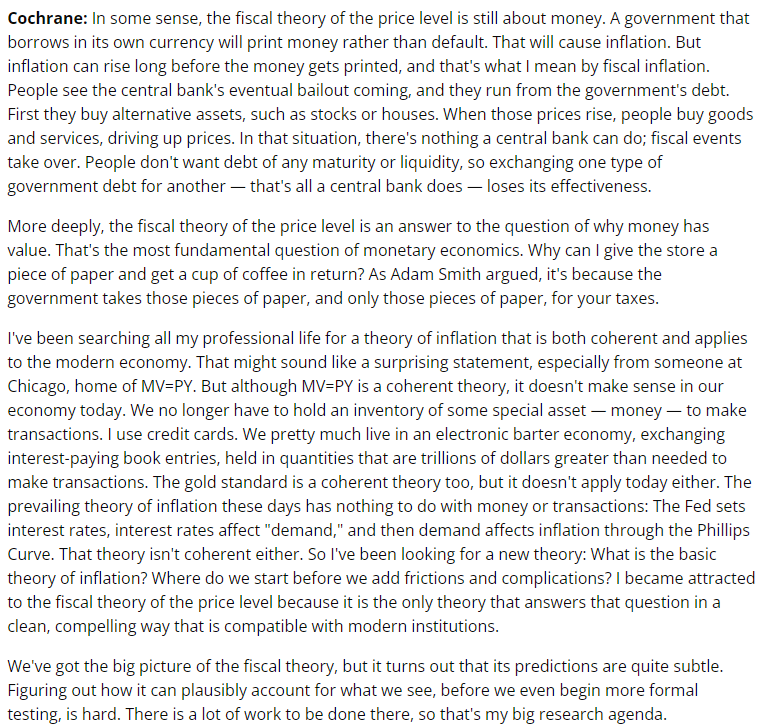
Compensating differences in wages and work intensity
01 Nov 2021 Leave a comment
in Adam Smith, Alfred Marshall, applied price theory, economic history, entrepreneurship, history of economic thought, industrial organisation, labour economics, labour supply, managerial economics, occupational choice, organisational economics, personnel economics, survivor principle Tags: compensating differences
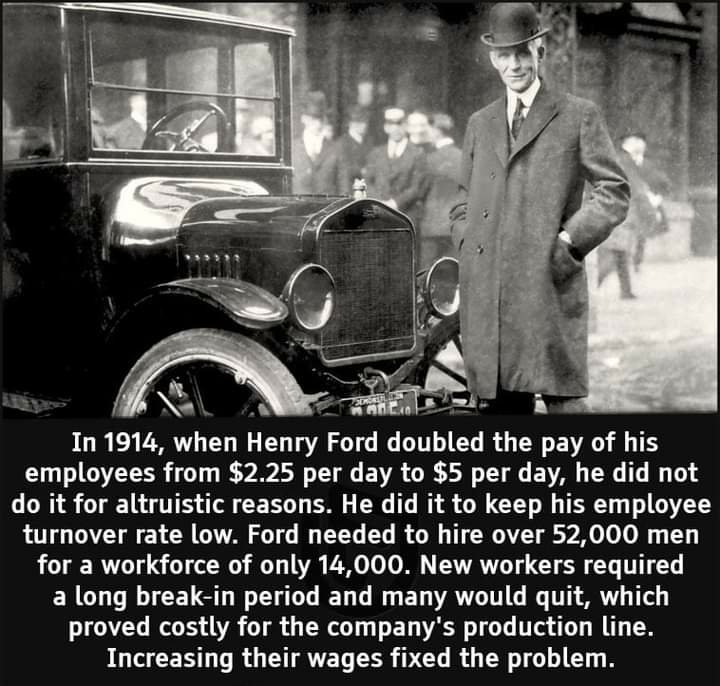
 Utopia, you are standing in it!
Recent Comments