
You know what this original trailer reinforces? The iconic characters, the legends playing them, the instantly recognizable music?
It’s the idea that “The Godfather” was a “Star Wars” or “Harry Potter” for grownup film lovers. An alien universe obsessively detailed, life and death stakes, villains, a young hero to be tempted and corrupted, all summoned up by a few perfect notes on a score, a line, a shadow, a gesture.
Film fans have obsessed over this film, this trilogy, for decades. Granted, they and we arent cosplayers. But geeking out over a movie can happen to great films, too.
Most of us associate these movies with the holidays, as the third and I believe the second “Godfather” movies opened on Christmas.
But the original came out on today’s date in March of 1972.








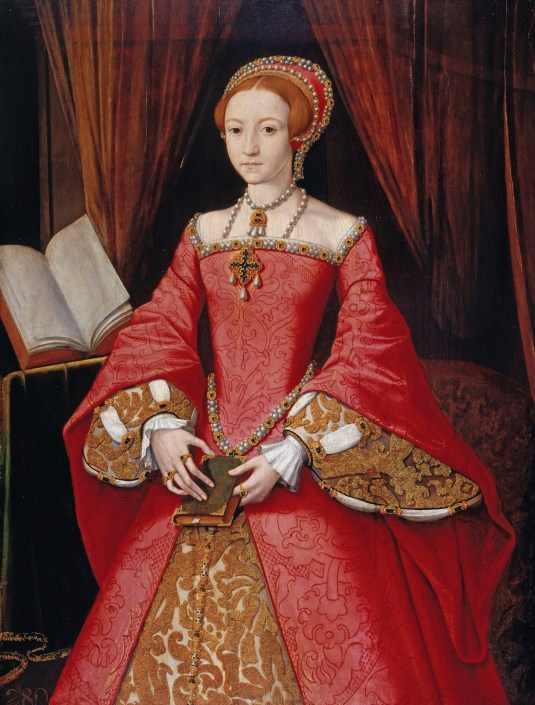 Edward’s will was set aside mostly because it never had Parliamentary approval and Mary became queen, deposing Lady Jane Grey. During Mary’s reign, Elizabeth was imprisoned for nearly a…
 The recent



Recent Comments