
“Born and educated in this country, I glory in the name of Briton,” declared the new king to the House of Representatives upon his succession. George III was proud to announce he was the first British-born king since the reign of the Stuarts. He was also the first Hanoverian monarch to speak native English, in fact, George III never even visited Hanover during his lifetime. He viewed himself as a man of the people, a noble and virtuous patriot-king, an Englishman to the core, although his opponents rarely missed an opportunity to brand him an alienating tyrant hell-bent on subverting the constitution. Indeed it is common today to associate George III with tyranny, particularly in the United States. Perhaps the sobering effects of several centuries has muted this controversial king’s legacy to some degree, but a growing modern revisionist reassessment of George III’s legacy is not enough to overcome his…
View original post 2,555 more words










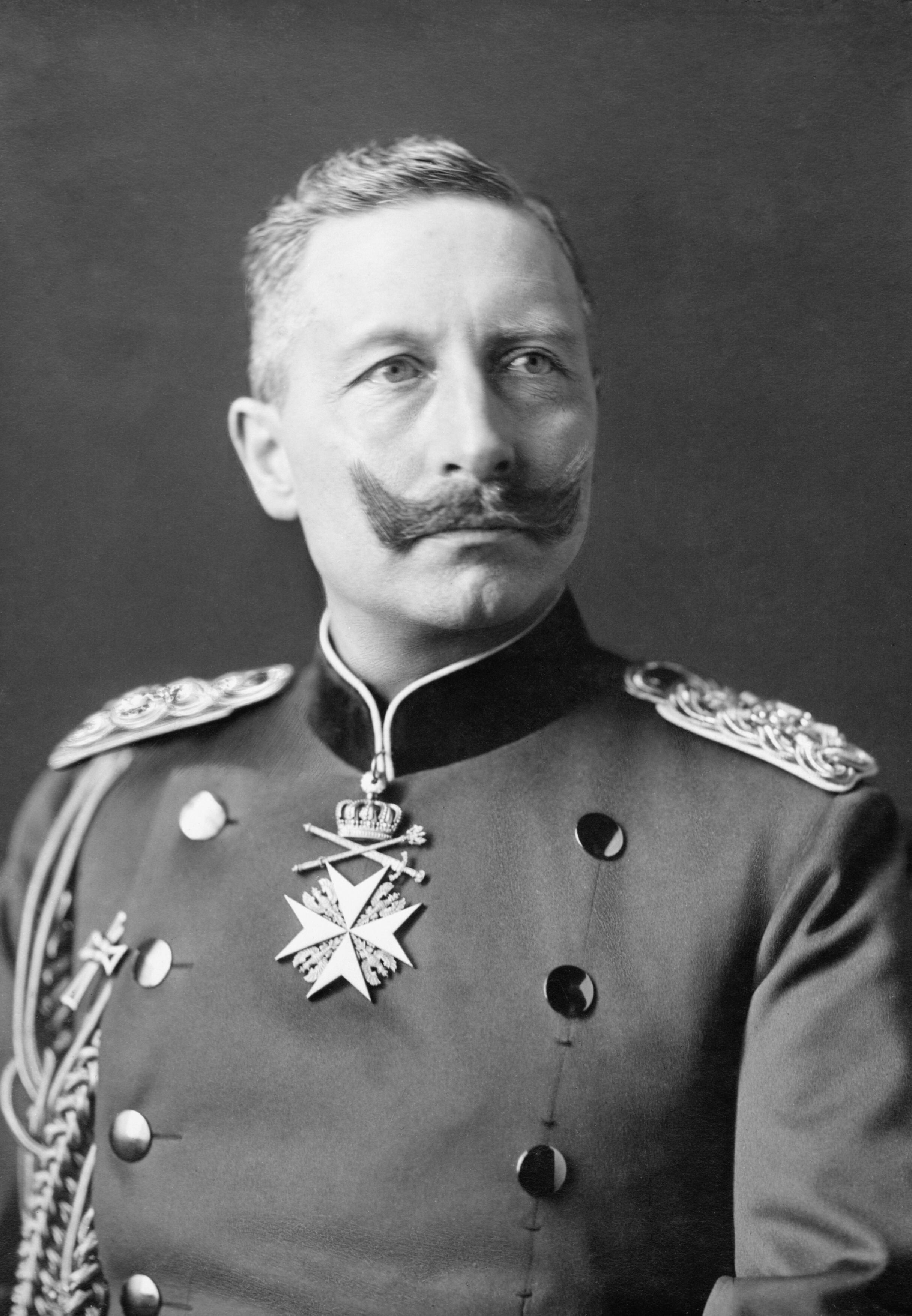 Despite the announcement of his abdication and subsequent flight to the Netherlands, Wilhelm II didn’t officially abdicate until November 28, 1918 when he signed a Statement of Abdication.
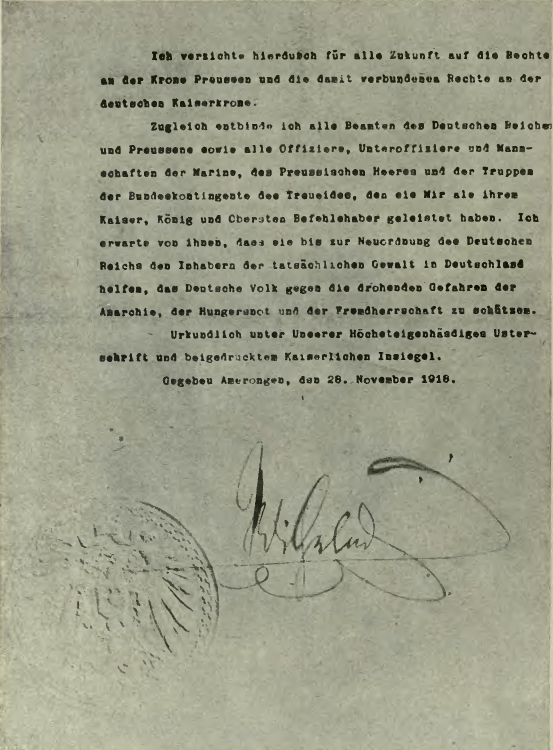 On November 11th I wrote about the abdication of German Emperor Wilhelm II, the other kings and Grand Dukes within the German Empire.

Recent Comments